Ascorbic Acid: Past, Present, and Future
Historical Development
Anyone who has read up on scurvy knows about ascorbic acid, or vitamin C. Sailors hauling cargo across the oceans in centuries past didn’t understand the underlying science, but they saw the turnaround when lemons or limes showed up on deck. It took until the early twentieth century for researchers like Albert Szent-Györgyi to pin down the actual molecule—ascorbic acid was isolated in the 1930s. That moment opened the doors to treating not just scurvy but also advancing nutrition science. From that decade on, production scaled up quickly, especially as large-scale fermentation replaced extraction from citrus juice. This tweak meant ascorbic acid jumped from a luxury to a common supplement.
Product Overview
Most vitamin C on shelves today comes in fine white to pale yellow powders or granules. Manufacturers supply it as tablets, capsules, liquids, and even as additives in juices. Brands toss around names like “ascorbate,” “L-ascorbic acid,” and “vitamin C.” Shoppers find it blended into drink powders, kid-friendly gummies, and skin-brightening creams. On product labels, it might appear under identities such as E300 or just “Ascorbic Acid.” It performs double duty in food: preserving color and freshness, especially in meat and prepared fruits, and boosting nutritional value.
Physical & Chemical Properties
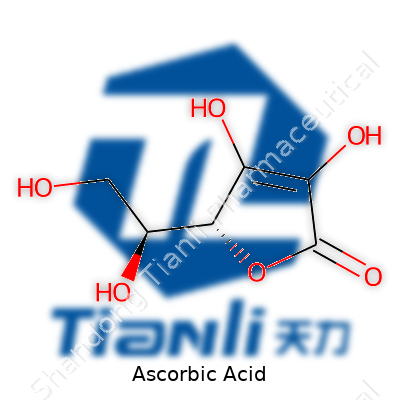
Ascorbic acid sits in that class of compounds called lactones—a crystalline solid that dissolves easily in water, with a melting point around 190 °C. The molecule packs six carbon atoms, six oxygen, and eight hydrogens, clocking in at 176.12 g/mol. Its sour taste gives away its presence in fruit juices. In powdered form, it clumps up if moisture sneaks in. Sensitivity to light and heat demands airtight, dark storage; that’s why vitamin C tablets in clear bottles degrade faster. Chemically, the structure gives up electrons to other substances, so it acts as a reducing agent—especially useful for halting oxidation in foods.
Technical Specifications & Labeling
Bulk ascorbic acid for industrial and supplement use carries specifications tailored for pharmaceutical or food grade. Purity rests above 99% for premium batches, but even mass-market material rarely slips below 98%. Moisture content stays below 0.4%. Product labels provide dosage details, batch number, expiration, and the precise form—calcium ascorbate, sodium ascorbate, or straight L-ascorbic acid. Labels also signal whether the powder suits direct consumption or just technical use. Some countries push transparency, so manufacturing origin or GMO status appears, too.
Preparation Method
The main route for commercial ascorbic acid starts with glucose from corn or wheat. Microbial fermentation stages transform glucose into sorbitol, then into sorbose. Chemical steps like Reichstein's process—or newer biotech tweaks—finish with oxidation and purification, resulting in crystalline ascorbic acid. This industrial process replaced the old-fashioned squeezing of citrus, cutting costs and raising yields. Manufacturers keep watchful eyes on every control point: temperature, pH, oxygen exposure, filtration, and drying technique all shape the final quality.
Chemical Reactions & Modifications
Ascorbic acid reacts fast with oxidizing agents, losing electrons and converting into dehydroascorbic acid. In foods, this can stop browning in apples or potatoes by tying up oxygen. Chemists tweak the molecule to create salts like calcium ascorbate or sodium ascorbate, which dissolve or absorb differently. Labs also anchor ascorbic acid to fats, forming ascorbyl palmitate. This extends vitamin C action in fatty foods or spreads its antioxidant punch into lotions and serums. In reactions with alkalis or bases, the molecule breaks down, so strong acids or neutral pH environments offer better protection.
Synonyms & Product Names
Packages might list “L-ascorbic acid,” “vitamin C,” “E300,” “calcium ascorbate,” “sodium ascorbate,” or “ascorbyl palmitate.” In the US, supplement bottles default to “vitamin C” but some products highlight the exact salt or form. Skincare lines showcase “ascorbic acid” to claim brightening power. In pharmaceuticals, “acidum ascorbicum” sometimes marks the dispensary bottle. Shoppers and food technologists both know the core molecule, but industry insiders use the more granular, chemical names to track sourcing and stability.
Safety & Operational Standards
Workers who make or package ascorbic acid deal with dust, so air handling and proper masks matter. Facilities handling food-grade vitamin C stick to HACCP or GMP rules. During storage and handling, containers get sealed tight, and food zones carry color-coded bins to avoid mix-ups. Regulatory agencies including the FDA, EFSA, and Chinese food safety authorities publish maximum allowable concentrations for both supplements and food fortification. Safety data sheets warn about minor irritation risks from dust, but not much else—ascorbic acid ranks low in workplace toxicity, though overexposure to powder can dry out hands or eyes.
Application Area
Vitamin C dominates health and wellness aisles, but its reach goes way beyond supplements. Food technologists tap ascorbic acid not only to extend shelf life but also to keep bread fluffy in industrial bakeries. Meat processors inject it for color retention. Beverage makers swing between synthetic and “natural” labels for marketing edge. Cosmetic chemists load up serums and creams, chasing antioxidant benefits for skin. In agriculture, vitamin C serves as a plant fortifier and as a preservative for animal feeds. Dairy producers slip it into some milk formulations to protect sensitive vitamins during pasteurization.
Research & Development
Scientists keep pressing into new territory. Research teams look at vitamin C’s impact on immune function, aging, wound healing, and cancer. Some researchers probe high-dose intravenous vitamin C as a companion therapy in some cancers, despite mixed evidence so far. Technologists test “nanoencapsulation” to improve shelf life or absorption rates, trying to beat the well-known instability of plain ascorbic acid. Teams also engineer new derivatives that target oxidative stress pathways, aiming for greater effectiveness in supplements or medicines.
Toxicity Research
Toxicity research on ascorbic acid reports a wide safety margin. Healthy kidneys flush extra amounts out in the urine, though doses above 2,000 mg a day increase the risk for tummy upset or, rarely, kidney stones in vulnerable folks. Researchers scan for rare allergic reactions or implications over extended periods. Animal studies show very high oral doses can shift iron absorption or influence metabolism, but typical dietary levels in humans fall far below these experimental extremes. Review panels from EFSA and similar agencies repeatedly conclude that food and supplemental vitamin C holds low risk for the general population.
Future Prospects
The future for ascorbic acid looks strong. Rising global interest in immune defense, aging, and plant-based foods keeps demand high. Researchers keep trying to find ways to boost molecule stability in beverage and food mixes. Some biotech companies chase alternative fermentation methods to sidestep corn or improve yield. Interest in ascorbic acid conjugates grows, especially for pharmaceutical and cosmetic applications, as labs try to fine-tune absorption or target specific tissues. National authorities and consumer groups scrutinize labeling, pushing for traceability and purity. For consumers, the vitamin C capsule or glass of orange juice remains a touchstone of proactive health, but for food scientists and manufacturers, ascorbic acid remains an always-evolving ingredient.
The Essential Vitamin C
If you’ve ever read the back of a multivitamin bottle or a pack of orange-flavored gummies, you’ve met ascorbic acid. We usually call it vitamin C. This nutrient plays a straightforward role in our diet—fighting scurvy went out of fashion long ago, but vitamin C deficiency symptoms can still crop up if people skip fruits and vegetables for too long.
A day without enough vitamin C can make your gums bleed or leave you feeling worn down. It’s more than an old sailor’s tale. Growing up, my grandmother tattled on every cousin who picked sugar over apples, warning us about our future teeth. She was onto something. Our bodies need this vitamin for making collagen, the protein that knits skin and tissue together. Collagen isn’t just about looking young; it helps wounds heal faster, supports joint movement, and keeps blood vessels sturdy.
Boosting the Immune System
No parent hands out oranges in winter for no reason. Research ties vitamin C to better immune function. This doesn’t mean one mega-dose will stop a cold in its tracks, but studies show people who get enough have fewer sick days. That makes sense for anyone sharing classroom air or office germs.
I started paying more attention to vitamin C after prepping for my first marathon. Muscles deal with stress, sweat breaks down nutrients, and vitamin C plays a role in keeping energy up. Athletes and older adults often need more than the average.
Food Preservation and Industry Uses
Open a bag of salad greens or a jar of jam, and you might spot ascorbic acid in the ingredient list. Food companies use it because it slows down how quickly foods turn brown and taste stale. Ascorbic acid works as an antioxidant, keeping fruits and veggies colorful and appealing long after they’re picked.
The same trick shows up in packaged baked goods and cured meats, where it protects color and freshness. It’s not just about looks—preserving nutrients and flavor means less food waste in the long run. With food prices climbing, finding ways to make produce last longer matters.
Medicine and Supplements
Doctors sometimes use ascorbic acid for more than diet. In certain cases, it helps with iron absorption, treating anemia. People with poor diets, special health conditions, or who are recovering from surgery might take supplements on a doctor’s advice.
There’s excitement in research circles about vitamin C’s potential beyond old-school uses. Some cancer treatments involve high-dose intravenous vitamin C. The research is still evolving, and experts say folks shouldn’t chase miracle cures, but it shows how vital this simple vitamin can become under the right circumstances.
Finding the Balance
Too much of a good thing can backfire. Large doses may cause stomach cramps or diarrhea. The body usually flushes out extra vitamin C, but there’s no need to overdo it—fresh fruits, vegetables, and a balanced diet typically cover daily needs. For those struggling to get enough, low-cost supplements fill the gap.
Everyone deserves the opportunity to eat well, back up their health, and avoid needless sickness. Teaching nutrition in schools, supporting local markets, and providing clear food labeling—all help more people get their share of this necessary vitamin. Ascorbic acid isn’t fancy, but it gets the job done.
What’s Really Inside That Tablet?
I’ve lost count of the times I’ve seen “ascorbic acid” printed on a label and heard people say, “That’s just vitamin C!” On the surface, it seems straightforward, but looking closer, I noticed that the story doesn’t end at chemistry. The ingredient in your chewable tablet could shape how well your body actually uses it.
What the Science Tells Us
In pure chemistry, ascorbic acid is vitamin C. Labels on bottled supplements and packets of fizzy drinks both call it the same. Both refer to that antioxidant molecule—C6H8O6—that keeps fruit from browning and helps our cells fend off damage. But here’s what’s easy to miss: eating an orange gives you vitamin C, yes, but it also gives you dozens of compounds—flavonoids, fiber, a little potassium—that a white tablet just doesn’t deliver.
Decades of clinical research show that lack of vitamin C leads to scurvy, but they don’t just hand out isolated ascorbic acid in hospitals; they look at how nutrients interact. In the journal Nutrients, studies point out that ascorbic acid in whole foods seems to offer benefits you just don’t see from supplements alone. That’s a big deal, considering how many of us reach for convenience over the produce section.
Bioavailability: Getting What You Pay For
Let’s talk about absorption. Ascorbic acid is quickly absorbed in the small intestine. Still, your gut has a way of leveling the playing field: take more than your body needs, and most passes straight through you. In reality, whether you swallow a tablet or eat your fill of bell peppers, your body takes up only what it can use. Evidence published by the National Institutes of Health shows that the absorption rate drops fast once you go beyond 200 mg at a time. High doses don’t mean higher benefit; they often just mean expensive urine.
Fruits and veggies bring more than just ascorbic acid to the party. The vitamin C they offer comes wrapped with natural plant chemicals, which many researchers believe help your body make better use of the nutrient. The U.S. Department of Agriculture notes that food-based sources offer broader benefits.
Trust Over Trends
Marketing would have us believe a vitamin supplement does the same thing as real food. I fell for it myself after a busy week, reaching for a bottle instead of taking the time to slice up an orange. It wasn’t a disaster—ascorbic acid supplement does prevent deficiency. But the strength in eating a mixed diet isn’t only about preventing sickness, it’s about promoting well-being. Hundreds of studies support the regular intake of fruits and vegetables for heart health, immune resilience, and even mood stability.
What We Can Do
Ask questions. If a doctor says you could use extra vitamin C, discuss where it's coming from. For most people, a balance of real foods—strawberries, kale, kiwi—offers daily needs, and a supplement plays backup in rare cases. Listen to what’s working for your own body and remember that nature usually gets the recipe right.
What Happens When Vitamin C Goes Overboard?
Most people swear by vitamin C during sniffle season. Oranges, pills, or fizzy packets—average folks grab ascorbic acid for an immune boost or just in case they’re not eating enough fruit. For the most part, this vitamin works safely for healthy people. The body takes what it needs, and the kidneys send out the rest. Tossing extra into a balanced diet looks harmless, but there’s a limit to what your gut and organs can take.
Digestive Problems: The Most Common Worry
Too much vitamin C ends up causing some uncomfortable problems. If someone downs several grams in their morning smoothie and a handful more at lunch, the results show up fast. Nausea and stomach cramps kick in once the bowel struggles to absorb all that acid. Loose stools and even diarrhea happen because the colon tries flushing out what it can’t use. These effects get worse for people with sensitive bowels or existing gut disorders. I’ve seen folks regret their mega-dose when cramps keep them rooted to the bathroom.
Kidney Stones: Not Just an Old Wives’ Tale
Some believe kidney stones only hit folks who skimp on water, but ascorbic acid joins the list of culprits. High doses raise levels of oxalate, a substance that binds to calcium and forms hard crystals in the urinary tract. People who’ve fought kidney stones before need to be the most careful. A Swedish study from 2013 found men taking high-dose supplements (over 1000 mg daily) had almost double the risk. Chugging back huge supplements every day because “more is better” spells trouble for kidneys in the long run.
Iron Overload and Affected Lab Results
Vitamin C makes it easier for the body to grab dietary iron. That’s a win for folks dealing with anemia, but people with hemochromatosis—a genetic disorder causing too much iron in the blood—can land in a bad spot. More iron in the body over time can damage organs like the liver and heart. Besides that, large doses of vitamin C can skew certain blood test results. Doctors sometimes see altered readings for sugar in diabetics, leading to confusion in tracking blood sugar.
Allergic Reactions and Medication Interactions
Allergic reactions to ascorbic acid pop up, but rarely. Folks with allergies to food additives might notice rashes or swelling from vitamin supplements. It pays to watch out for any new symptoms after blending new vitamins into a routine. Ascorbic acid changes the way some drugs work, too. Mixing it with certain chemotherapy agents or blood thinners leads to complications. It’s smart to check in with a doctor or pharmacist before adding big doses to any prescription plan.
A Balanced Perspective—and Smarter Habits
The key with ascorbic acid, like most supplements, sits with moderation and smart habits. People who eat a balanced diet packed with fruits and vegetables almost never need to stress about extra vitamin C. For those prone to reaching for the bottle of supplements, checking recommended daily amounts makes sense. Adults only need about 75–90 mg daily. Over 2000 mg a day raises the chance of side effects. When uncertainty clouds the decision, asking a healthcare provider brings more peace of mind than guessing from flashy supplement ads.
Getting nutrients from food first, then considering supplements for real gaps in the diet, makes the most sense. Our bodies handle modest doses easily, but overloading on ascorbic acid pushes good intentions into risky territory.What Makes Ascorbic Acid So Delicate?
Ascorbic acid, or vitamin C, packs a lot of power, whether it’s helping your immune system or keeping food fresh. The catch? Vitamin C loses its punch fast when left out in the open. I’ve seen more than one tub of the stuff clump up, yellow, and lose effectiveness in a matter of days when someone forgets to screw the lid on tight or stores it in a warm kitchen cabinet.
The science here is simple. Ascorbic acid doesn’t play well with light, heat, and oxygen. Leave a jar under kitchen lights or near a sunny window, and the powder starts to degrade. Oxygen does the same trick—leave the container open, and you get a weaker product over time. Moist air turns it into sticky lumps. If you’ve ever grabbed a bottle of old chewable vitamin C and bit into something rock-hard or strange-tasting, that’s the process in action.
Home and Industry: The Same Rules Apply
Storing vitamin C at home isn’t much different from what food companies do. Pharmacies and supplement producers favor dark, airtight containers. That might sound fancy, but the everyday solution looks similar. A simple, tightly sealed amber bottle kept in a cool, dark spot—like a cupboard far from the stove or a pantry shelf—is usually enough for most people. If you’re storing a lot, think about splitting large packages into smaller containers so you don’t open them all the time. This strategy cuts down the time the powder spends exposed to air and moisture.
Larger facilities sometimes add tiny food-safe silica packets, which pull humidity out of the container. At home, even a dry paper towel tucked above the powder (not touching it directly) can help if your kitchen gets muggy. Drinks companies and vitamin makers often vacuum-pack or fill containers with an inert gas (like nitrogen) to keep oxygen at bay, but for home use, that level of effort rarely pays off.
The Consequences of Sloppy Storage
No one sets out to waste money or throw away vitamins that don’t work, but it happens fast with ascorbic acid. A faded supplement labels usually matches up with a faded product inside. Exposing vitamin C powder to repeated high temperatures, like leaving it near the oven or in a hot car, not only changes the taste but also kills off some of its health benefits. Food scientists keep hammering the same message: if you want vitamin C to help your body, you have to help it out, too.
Letting moisture get to the powder can speed up breakdown—especially if you store it in containers with loose lids that let in air overnight. In my experience, even the way a scoop is left in the container can make a difference. Metal scoops can introduce extra moisture or even promote unwanted chemical changes over time. Plastic or dedicated dry spoons work much better.
Better Storage Means Better Results
Vitamin C works best and lasts longer when you treat it with a little care. The basic checklist runs like this: airtight container, dry climate, low light, and steady, cool temperature. An inexpensive purchase, like an amber glass jar with a screw top, makes a surprisingly big difference for storage. Keeping the container in an upper pantry, away from heat and steam, ensures potency stays high. Always use clean, dry utensils, never scoop with wet hands, and try to open the container only as often as you need to.
Holding onto these habits protects both your investment and your health. Reliable vitamin C isn’t just about science; it’s about small, practical steps that anyone can take at home.
What Roles Does Vitamin C Play In Our Lives?
Vitamin C, also called ascorbic acid, carries a strong reputation for helping the body in several ways. Doctors and nutritionists have pointed out for years that we need this vitamin to build connective tissue, support wound healing, protect our cells, and boost immune defense. Back in history, sailors packed citrus to avoid scurvy on long voyages, so this need runs deep.
Can You Take It Every Day?
Daily intake can be safe and helpful for most people. The body doesn’t store vitamin C for long, so people need to top up either with fruit, vegetables, or a supplement. The average adult should aim for around 65–90 mg of vitamin C each day, with an upper safe limit sitting at 2,000 mg. Sticking with this limit matters because too much can cause problems like stomach cramps, diarrhea, and kidney stones.
Speaking from personal experience, taking a little vitamin C each day, whether from an orange or a chewable tablet, has helped keep colds shorter for me. I notice that during flu season, small doses go a long way. Research from Harvard backs up that vitamin C supplements can slightly reduce the length of a cold, though they don’t stop them in the first place.
Who Actually Needs a Supplement?
A balanced diet covers most people’s needs. Foods like strawberries, bell peppers, guava, Brussels sprouts, and citrus pack in plenty. Folks who smoke, drink a lot, or have certain health conditions often need a higher intake and might consider supplements. People who live in places where fresh produce is hard to get sometimes miss out on enough vitamin C from food alone.
Supplements can sound like a simple answer but they can’t replace a good meal. Most experts agree whole foods do the job better and bring other nutrients along for the ride. Taking more pills doesn’t mean better health in this case.
What About Long-Term Daily Use?
Long-term use in reasonable amounts stays safe for healthy adults. Problems show up only once people start megadosing. Adults and kids who go far past the recommended limit can face issues such as nausea, headaches, or more serious kidney troubles. The National Institutes of Health makes clear that for most healthy folks, sticking close to the daily limit keeps things in the safe zone.
What Could Help People Meet Daily Needs?
Piling color on your dinner plate helps more than any single supplement. Foods like broccoli, kiwi, and red peppers give plenty of vitamin C without extra planning. Some people forget about these foods, especially with busy lives and stressful jobs. Schools, restaurants, and workplaces can help by making fresh produce easy to grab.
Community gardens, urban farms, and local markets let people eat more fruit and veggies without paying too much or driving long distances for groceries. For those who truly need a supplement, pharmacists, doctors, or registered dietitians can help pick the right dose and spot any interactions with medicine.
Real-World Advice for Daily Health
Vitamin C gives protection and support but chasing high levels doesn’t make sense for most. I’ve seen family and friends reach for megadose vitamin C powder at the first sign of a sniffle—most could get what they need from lunch instead of another pill bottle. Enjoying more fruit and vegetables every day, in meals and snacks, gives steady support for the immune system and beyond.