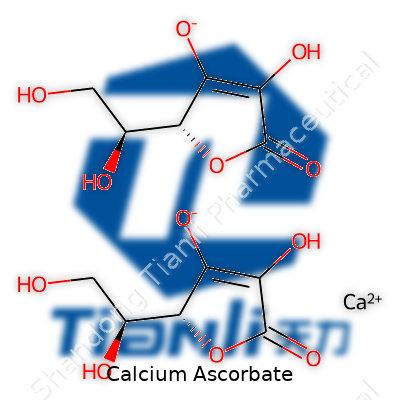
Calcium Ascorbate: A Deep Dive into a Modern Nutrient
Historical Development
Calcium ascorbate didn’t get its start in some big pharmaceutical lab with endless sheets of sterile paperwork. The discovery and use of vitamin C in various forms sprang from a need to solve real-world problems. Early scurvy outbreaks on long sea voyages set the stage for scientists to hunt down cures, zeroing in on something in fresh fruits and vegetables. L-Ascorbic acid emerged as a lifesaver, but its tendency to break down and its acidic kick brought challenges. Over time, researchers began tinkering with ascorbic acid, pairing it with minerals like calcium to improve its shelf life, palatability, and gentleness on the gut. Calcium ascorbate first hit the market in the late 20th century as an alternative for people who found straight vitamin C too harsh. Even today, that practical, problem-solving spirit echoes through its ongoing development and expanded use.
Product Overview
Calcium ascorbate appears as a white to almost white powder, odorless, tasting mildly tart and less acidic than ascorbic acid. On supplement shelves, it’s usually found in bulk powder form, tablets, or as a component of multivitamins. It brings both an essential vitamin and a vital mineral in one shot: vitamin C and calcium. This combination supports the immune system, bones, and teeth. Its popularity owes a lot to its lower acidity, making it easier on the stomach for sensitive folks. Many companies market it as “buffered vitamin C,” and it’s often preferred for long-term use or for those who experience heartburn with plain ascorbic acid.
Physical and Chemical Properties
The physical form of calcium ascorbate tells you a lot about its intended uses. It dissolves in water much more slowly than ascorbic acid, but mixes well into liquids or suspensions with a little patience. With a molecular weight around 390 g/mol, this compound stands up to humidity better than vitamin C powder and holds onto potency longer at room temperature. Technically, it’s a salt formed by bonding calcium and ascorbic acid in a ratio that delivers almost 10% calcium by weight and about 77% ascorbate. Its pH lands much closer to neutral than ascorbic acid, which means your mouth and gut thank you for skipping the sour burn.
Technical Specifications & Labeling
Supplement bottles, ingredient lists, and shipping paperwork reveal calcium ascorbate by a variety of specifications. Most commercial grades require a minimum of 97% assay by dry weight. Residual moisture typically falls under 0.1%, and particle size matters—a finer mesh gives smoother blends in tablets or drink mixes. Heavy metal limits stay below 10 ppm for safety. Supplier certificates of analysis confirm each lot’s purity, identity, and compliance. In food fortification, international guidelines such as those from the Codex Alimentarius Commission advise maximum usage rates and declare it safe as a food additive under the E number E302. Legally, “calcium ascorbate” or “buffered vitamin C” must appear prominently on labels, along with a statement of vitamin C and calcium content per serving.
Preparation Method
Creating calcium ascorbate involves a simple chemistry trick: take ascorbic acid, react it with calcium carbonate or calcium hydroxide in an aqueous medium, and harvest the resulting salt. Manufacturers keep the reaction cold to avoid breaking down the ascorbate part. The process forms a solid precipitate, filtered out, washed, and dried. This approach skips harsh chemicals and favors food-safe reagents, aligning with consumer expectations for clean-label supplements. Under the right conditions, yields approach 95%—making it reliable on both small and industrial scales.
Chemical Reactions & Modifications
Calcium ascorbate acts much like ascorbic acid in chemical terms, just buffered by the calcium ion. The ascorbate anion keeps its antioxidant activity, picking up stray free radicals in processed foods or the human bloodstream. In baking, it helps dough with yeast activity by acting as a reducing agent, while in drinks, it neutralizes dissolved oxygen that would otherwise wreck color or flavor. Some manufacturers experiment with granulating it with other minerals or vitamins, but the core molecule remains unchanged. Under exposure to strong acids or heat, calcium ascorbate breaks down into its components—releasing ascorbate and calcium ions separately, so stability in storage and processing always matters.
Synonyms & Product Names
You’ll find calcium ascorbate hiding behind several alternate names: “Buffered vitamin C,” “E302,” “calcium diascorbate,” and sometimes just “ascorbic acid calcium salt.” Trade names like Ester-C refer to a proprietary form made with a particular process that claims extra metabolites or better bioavailability, though traditional industry forms don’t differ much in core effectiveness. On ingredient panels for food and supplements, expect to see either “calcium ascorbate” or its E number, especially in markets like the EU.
Safety & Operational Standards
Regulators worldwide treat calcium ascorbate as a low-risk, food-safe compound when used within dietary guidelines. The European Food Safety Authority and US Food and Drug Administration both clear it for use as an additive and supplement. Safety tests check for allergenic substances, heavy metals, residual solvents, and microbial contamination. Supplement manufacturers follow Good Manufacturing Practices (GMP), track raw material origin, and test for every batch. In my experience, most reputable suppliers go above and beyond here—spot testing for known allergens or pathogens, checking for compliance with kosher, halal, and vegan labeling standards, and issuing certificates validated by outside labs. Equipment used in manufacturing stays dedicated and undergoes regular swab testing to catch cross-contamination before a product ever leaves the facility.
Application Area
Practical uses for calcium ascorbate reach far wider than morning vitamins. First off, it shows up in fortified foods—fruit juices, breakfast cereals, protein bars—where it helps boost both vitamin C and calcium content without souring flavors. Food processors appreciate its antioxidant punch for protecting colors and extending shelf life in baked goods, soft drinks, and dried fruit. In supplements, it dominates buffered vitamin C tablets and powders for immune support and recovery from colds. Personal care companies sometimes add calcium ascorbate to face creams or lotions for skin-brightening and repair. Industrial-scale livestock operations boost animal feed with it, supporting animal growth and disease resistance on a farm scale. In research, calcium ascorbate serves as a model compound for antioxidant studies and cellular stress investigations, providing a reliable, less irritating alternative to pure ascorbic acid.
Research & Development
Modern studies chase down questions about calcium ascorbate’s bioavailability, comparing it to plain ascorbic acid, and tracking how the body absorbs, uses, and eliminates the two. Some clinical trials suggest the calcium content can improve absorption rates or reduce negative reactions, especially in those with sensitive stomachs or at risk of kidney stones. Newer research investigates how the combination affects cellular signaling, collagen synthesis, and immune cell function. Companies and universities also test modified crystal forms or blended products, claiming more stable or palatable options. R&D efforts often focus on improving mix-ability for drinks, reducing clumping in powders, or preserving the ascorbate content during high-heat processing. Sustainability concerns are nudging producers toward renewable sources for both ascorbic acid and calcium, while clean-label movements drive interest in plant-based extraction and fermentation methods.
Toxicity Research
Most toxicity research finds calcium ascorbate safe in large doses, with the biggest risks coming from the calcium load in people with certain health conditions. Excess calcium may raise the risk of kidney stones or hypercalcemia in susceptible individuals, but these cases usually involve massive daily overconsumption over weeks or months. Vitamin C itself rarely causes trouble, as any extra leaves the body quickly through urine, but super-dosing doesn’t guarantee better health and, for some people, triggers mild gastrointestinal upset or diarrhea. Long-term animal studies and decades of human use point to a solid safety record. Researchers keep watch over potential interactions with medications, particularly those affected by mineral content, but the number of real-world incidents remains vanishingly low.
Future Prospects
Looking ahead, calcium ascorbate has a promising future both as a consumer supplement and as a behind-the-scenes food ingredient. More people want gentle, multi-benefit nutrients in convenient forms, so demand should keep rising. The shift toward personalized nutrition includes custom blends designed for specific age groups or dietary needs. Clean-label trends, sustainability, and traceability are rewriting supply chains, favoring suppliers able to prove ethical sourcing. In tech circles, scientists continue looking for ways to enhance the shelf life of sensitive vitamins and minerals, and calcium ascorbate offers a head start with its stability. If new research confirms unique benefits for immunity, bone health, or anti-aging, you can bet it’ll feature in more foods, drinks, and supplements. Food processors and supplement makers staying on top of technical advances and consumer wants will keep calcium ascorbate in the spotlight well into the future.
Not Just Another Vitamin C Supplement
It’s easy to gloss over supplement labels. Most folks recognize vitamin C, chase after calcium. That’s usually where the conversation ends. Calcium ascorbate bridges both those worlds, offering a form of vitamin C that doesn’t hit the stomach like pure ascorbic acid does. For people prone to stomach upset—heartburn, cramping—this matters. Too often, straight vitamin C tastes tangy and leaves a burn. Calcium ascorbate takes that sharp edge off, making it easier on digestion while delivering a solid dose of nutrients.
What Sets It Apart in Daily Life
Vitamin C powers up the immune system, helps wounds heal, and fights off that tired feeling during stressful seasons. Throw calcium into the mix and bones win, too. A good deal of published research connects vitamin C with reduced risk of catching common colds and even faster recovery times. The body uses both nutrients every day but doesn’t store them for long stretches. That’s why grabbing calcium ascorbate in fortified foods or supplements lines up with staying healthy year-round.
There’s another side: calcium ascorbate keeps food fresher longer. It slows down the browning of fruit slices and vegetable cuts, giving big kitchens and home cooks a breather. Beverage producers also lean on it as a preservative, keeping drinks bright and zesty.
Who Actually Needs It?
Older adults and anyone with digestive complaints—think ulcers, acid reflux, or sensitive guts—see real gains using non-acidic calcium ascorbate over regular vitamin C. I’ve worked with folks whose doctors swapped out the straight powder for this buffered form, and the stomach troubles usually faded away. It’s also useful for those not getting enough calcium from dairy or leafy greens. For people allergic to milk, calcium ascorbate fills a gap without risking stomach acid overload.
What’s Actually in a Dose?
Each serving offers both vitamin C and calcium, rolling two nutrients together. This form dissolves well in water and doesn’t taste as sour as standard vitamin C. Because it contributes to overall calcium intake, people tracking their calcium levels—those with kidney stones or parathyroid concerns—should count these milligrams.
Any Catch to Using Calcium Ascorbate?
No supplement fixes a poor diet. Calcium ascorbate works best as a backup, not a replacement. Some worry it costs more than regular ascorbic acid, and that shows up on grocery receipts. Most people eating colorful fruits and plenty of veggies don’t need an extra dose, unless a doctor points out a gap.
Smarter Choices Looking Ahead
Eating habits shape health down the road. Planning meals around whole foods, checking in with health professionals before adding any supplement, and staying tuned to body signals give better results than jumping on every new trend. For folks wrestling with vitamin C side effects or needing bonus calcium, calcium ascorbate steps in where regular supplements don’t fit the bill. Paying attention to real needs, trusting solid research, and avoiding empty promises—these choices keep the focus on what actually matters.
The Bottom Line
Calcium ascorbate offers an easier, gentler way to fill in serious vitamin and mineral gaps—especially for sensitive guts and picky eaters. The real power sits with knowledge and practical choices, not the fanciest new ingredient on the shelf.
Understanding the Differences
Everyone knows Vitamin C keeps the immune system ticking. Shelves stock more than just the classic ascorbic acid powder now. Enter calcium ascorbate—marketed as "gentler" and often with a higher price tag. As someone who’s spent years trying every kind of supplement and reading up on what’s inside the bottles, I see why people wonder if making the switch pays off.
Digestive Comfort and Absorption
Many folks complain about regular ascorbic acid upsetting their stomachs, especially in higher doses. Calcium ascorbate aims to help, since it’s a combination of ascorbic acid and calcium. Because it’s "buffered," it doesn’t taste as tangy, and for some, it doesn’t lead to that familiar, uncomfortable stomach burn.
From talking with nutritionists and scouring peer-reviewed research, there’s no big difference in how our guts absorb each one. Both forms supply plain old vitamin C to the bloodstream. Both get the job done for fighting fatigue, boosting collagen, and guarding against infections. The main difference has more to do with comfort and a little extra calcium per serving, not with superior performance.
Bioavailability and Real-World Results
Doctors and dietitians mention “bioavailability” a lot. Studies in major journals like the American Journal of Clinical Nutrition put ascorbic acid and calcium ascorbate neck-and-neck. No marked advantage for the seasoned gym-goer, the busy parent keeping up with the kids, or the retiree looking to stay sharp.
With years navigating community health outreach, I’ve seen many people switch to other Vitamin C forms, expecting big changes in energy or immunity. Most report feeling about the same. The main folks who notice something are those with truly sensitive stomachs or those looking to add small amounts of calcium as a bonus.
Additives and Quality Concerns
Store shelves overflow with Vitamin C options, but not all supplements treat the source ingredient the same way. Some calcium ascorbate tablets blend cleanly, but others sneak in coloring, artificial sweeteners, or unneeded stabilizers. Whether buying regular ascorbic acid or the calcium-added kind, third-party testing and clear ingredient labels matter most.
Cost, Convenience, and Dietary Choices
People ask if five times the price tag on a bottle actually brings five times the benefit. Regular Vitamin C, especially the generic ascorbic acid, usually costs less and is easier to find almost anywhere—drugstores, grocery aisles, even corner shops. Calcium ascorbate brands cost more, with the same benefits, unless someone fights chronic heartburn or needs a calcium bump in their diet.
A big-picture view comes down to personal needs and comfort. Folks on plant-based diets might aim for plain ascorbic acid, since animal-derived ingredients occasionally sneak into other formulations. For most, eating more fruits and vegetables covers daily needs long before a pill ever comes in handy.
What's Worth Considering
People shouldn’t expect a miracle from switching forms. For those constantly reaching for antacids, trying a bottle of calcium ascorbate makes sense. If cost sits at the top of the list, or if there are no belly problems with regular Vitamin C, sticking to basics does the job just fine. Supplements help fill gaps, but nutritious meals packed with citrus, berries, and peppers bring benefits that no bottle offers.
Why Folks Choose Calcium Ascorbate
Plenty of people want to support their immune system or deal with vitamin C deficiency, so they reach for calcium ascorbate. Unlike regular vitamin C, which can be harsh on the stomach, calcium ascorbate is a “buffered” form. It combines ascorbic acid and calcium, which helps reduce the acidity and makes it easier on digestion. This sounds pretty good to anyone who’s dealt with heartburn from straight vitamin C tablets.
Side Effects: The Not-So-Great Part
Most people tolerate calcium ascorbate just fine, especially when sticking to recommended doses. Still, even a supplement with a reputation for being gentle isn’t free from side effects. Take too much and you can wind up with an upset stomach, bloating, or even diarrhea. I’ve seen this happen with folks who load up on it during cold season, thinking more always equals better. That approach quickly turns into extra bathroom trips.
Sometimes the calcium part can contribute to harder stools. It almost feels like swinging from one end of the spectrum to the other: too much ascorbate sends you running, too much calcium slows things to a crawl. Kidney stone risk can also creep up for people prone to them, especially with long-term, high-dose use. The body has a tough job juggling all these minerals, and if there’s already a tendency for stones, extra calcium just adds fuel to the fire.
Interactions with Other Medications
Mixing supplements and prescription meds sometimes causes trouble. With calcium ascorbate, there are a couple of interactions to watch out for. Calcium can clash with some antibiotics and thyroid pills, making them less effective. That means folks counting on these meds for their health might not get the full benefit if they’re also taking high doses of calcium ascorbate. It’s tempting to skip the details in that long printed pamphlet at the pharmacy, but it pays to ask a doctor before starting a new supplement routine.
Facts and Scientific Support
Most studies agree that vitamin C deficiency is rare in countries with balanced diets, thanks to fruits and vegetables on supermarket shelves. Still, scurvy can pop up in vulnerable groups—people with poor diets, for instance—or in situations with little access to fresh food. Clinical trials suggest calcium ascorbate does the trick for boosting vitamin C without stressing stomach linings. Researchers found that absorption rates for calcium ascorbate are pretty much the same as for ascorbic acid. So there’s no magic boost in how much vitamin C the body gets from it, but the lower acidity is a true benefit for sensitive folks.
Better Ways to Supplement
Most people don’t need to reach for a supplement if their meals include citrus, strawberries, or broccoli. For folks who must use calcium ascorbate, moderation and reading those nutrition labels matter. Sticking close to the recommended dietary allowance cuts down the odds of side effects. Drinking lots of water and eating foods high in magnesium and potassium can also help keep the body in balance if taking extra calcium is necessary. It’s always smart to check with a healthcare professional, especially for people with health conditions that affect the kidneys or those taking other medications.
Takeaway for Daily Life
Supplements might look simple, but they aren’t always risk-free. Calcium ascorbate comes with benefits and a few drawbacks just like any other vitamin or mineral on the shelf. Careful choices and good information keep things working in your favor, not against you.
Understanding the Supplement
Calcium ascorbate hits the shelves as a blend of vitamin C and calcium. Many people reach for this supplement to get their daily dose of vitamin C without the acidity of ascorbic acid or to add a bit more calcium to their diet. Both nutrients matter—a healthy immune system leans heavily on vitamin C, and bones call out for regular calcium.
Timing and Dosage
Plenty of folks want a silver bullet, some foolproof time of day that guarantees better absorption. Consistency seems more important than precision timing. A regular routine—whether at breakfast, lunch, or with dinner—means you’re much less likely to skip a dose. Experts at the National Institutes of Health note that up to 500 mg of vitamin C from supplements gets absorbed before the rate drops off, so splitting larger amounts across two meals makes sense. Tablets, powders, and capsules work much the same. Swallow with water, give yourself something in your stomach, and avoid taking giant piles of minerals all at once. Too much at a time can trigger digestive grumbles rather than health benefits.
The Food Factor
Calcium ascorbate goes down easier with food. Eating something—even a bit of fruit or a piece of toast—often helps with absorption and cuts down on stomach discomfort. Dairy doesn’t interact negatively, so pouring powder into a yogurt or mixing it with juice works. Some people feel fine taking it on an empty stomach, but if you’ve ever felt queasy, it’s worth pairing it with a meal. Too much calcium paired with oxalate-rich foods, like spinach, may cut down on how much your body absorbs, but the occasional salad won’t undo everything.
Checking for Interactions
Supplements don’t work in isolation. Medications for heartburn, thyroid disease, or certain antibiotics may tangle with calcium. Vitamin C can affect how your body handles iron, making it easier to take up iron from plant sources. It pays to touch base with a doctor or pharmacist before starting regular doses if you already juggle a list of prescriptions. Some medical guidelines suggest spacing calcium out from certain meds by at least two hours to avoid interference.
Why Purity and Dosage Matter
Quality remains a sticking point. Calcium ascorbate varies between brands—some bottles sneak in unnecessary fillers. Check for the United States Pharmacopeia (USP) or NSF seal, which suggests the product meets safety standards. The National Institutes of Health recommends most adults aim for no more than 2,000 mg of vitamin C from supplements daily. Extra vitamin C flushes out with urine, but high doses can draw water into your gut and bring on cramps or diarrhea. Stick with moderate doses and trust that a balanced diet, plus a simple supplement, keeps things covered for most people.
The Bigger Picture
Supplements fill gaps. They don’t replace fruits, vegetables, or dairy entirely. Overusing pills or powders may tempt some people to skip actual food. The body draws nutrients from food in ways science hasn’t completely mapped out. Focus on whole foods, and look at calcium ascorbate as a tool—not a crutch. If you’re unsure how much you need, ask a registered dietitian or healthcare provider. Health doesn’t rest on any single nutrient or brand-name supplement; long-term habits and daily choices lay the groundwork.
Tracing Tolerance and Impact
Calcium ascorbate turns up in many kitchens. Some add it to morning shakes, others take it as a supplement after talking with a dietitian. Combining vitamin C and calcium, this powder manages to attract people who want to boost immunity while helping bones. The thought makes sense. People lose bone density with age, and vitamin C gets a lot of praise for helping immune cells function. Yet, this blend always brings up a basic question: does taking it every day cause any harm?
I’ve swallowed my share of vitamin supplements. Some years back, I leaned into vitamin C because everyone around me said it would keep the sniffles away. It didn’t always work as promised, but it never knocked me off my feet either. Calcium ascorbate entered my radar when a friend handed me a packet during exam season. I checked through published science before tossing it in my bag.
What Science Tells Us About Daily Use
Research says calcium ascorbate delivers vitamin C in a buffered form, so it’s less harsh on the stomach compared to straight-up ascorbic acid. If plain vitamin C capsules give you heartburn, this version often feels much gentler. The addition of calcium serves two functions: it delivers an essential mineral for bones, and it helps stabilize the vitamin C.
National Institutes of Health recommends up to 2,000 milligrams of vitamin C per day for most adults before seeing possible side effects. That’s a generous ceiling. Calcium ascorbate powder holds about 900 milligrams of vitamin C per teaspoon. Most people taking a balanced supplement dose come in far below.
Calcium can cause issues if someone takes very high doses over long periods—think kidney stones or heart problems in people already at risk. Most multivitamins, though, stick to modest doses, unlikely to push calcium totals over 2,000 milligrams daily, the upper suggested limit for adults.
Who Should Watch Out?
Supplements sound easy, but real health depends on context. People with kidney stones, certain heart conditions, or issues with calcium metabolism should talk to their doctor before adding calcium ascorbate or any supplement to their routine. Kids need much lower amounts of calcium and vitamin C compared to adults, so parents should check safe levels or use food sources instead. High vitamin C can upset the stomach or cause loose stools, though this usually reverses if someone dials back.
Doctors and nutritionists remind us: nutrients work best from real food. I remember more energy during winters when my diet included citrus fruit and leafy greens, not just supplements. Taking pills or powders can fill in dietary gaps, especially for people who eat poorly or have specific health conditions, but they miss the fiber, water, and natural plant compounds found in fresh produce.
Striking a Healthy Balance
Safe use comes from knowing your body, checking with healthcare providers, and keeping daily doses moderate. Tracking how much vitamin C and calcium land on your plate or in your glass avoids accidental overload. People can use calcium ascorbate safely every day by sticking to serving sizes printed on reputable labels and listening to how their body feels. If something doesn’t sit right, calling a doctor or qualified nutritionist turns out better than ignoring the signs.
Supplements like calcium ascorbate play a supporting role, not a starring one, in lifelong health. They work best for people who understand the risks and keep things in balance.