Glucose: From Ancient Curiosity to Modern Marvel
Historical Development
Glucose didn’t always bear that straightforward name. In the days when science sprouted in old laboratories and bustling apothecaries, folks knew it as grape sugar, or dextrose. Early researchers, reaching back to the 18th century, noticed sweet residues left behind after the crushing of fruits. Andreas Marggraf, mucking about in his Berlin lab in 1747, extracted sugar from raisins and started the journey of scientific curiosity that eventually handed us pure glucose. Later, French chemist Jean-Baptiste Dumas gave the molecule its modern name, pulling from the Greek “glykys” for sweet. People used honey and fruit for energy long before anyone scribbled chemical equations, but those dusty forebears set the stage for every hospital IV and every bottle of soft drink we encounter today.
Product Overview
Glucose sits on shelves as a white, crystalline powder or as a syrup, each destined for industries ranging from baking to medicine. It lands in food factories for candies, beverages, and even processed meats, serving as a core ingredient. Pharmacies stock sterile glucose solutions, while brewers use it to tweak flavor or help yeasts work faster. It's not just a laboratory staple; homespun chefs, athletes, and schoolchildren all run into glucose in daily life—sometimes unknowingly, and sometimes in the form of quick energy gels or drink mixes promising an afternoon pick-me-up.
Physical & Chemical Properties
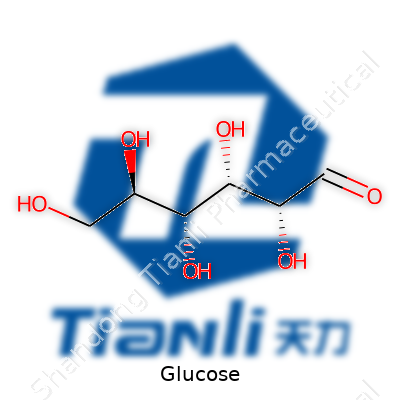
Glucose appeals to every chemist with its simple structure—a six-carbon ring, C6H12O6, but it behaves in ways far richer than the blackboard might suggest. You find it sitting as either a powder or a thick liquid, each one tasting unmistakably sweet. In water, it dissolves with ease, creating clear solutions even at hefty concentrations. Raise the temperature, and it melts at about 146°C, giving off a caramel sort of aroma before charring. Its high solubility and non-volatile nature push it into an array of food and beverage recipes. Anyone who’s suffered through sticky fingers after a syrup spill knows just how tenacious glucose can be outside of a lab jar.
Technical Specifications & Labeling
Commercial glucose often comes graded by purity, crystal size, and form—monohydrate or anhydrous the most common. Every bag or bottle carries batch numbers and purity specs, usually promising a glucose content above 99% for food and pharmaceutical uses. Labels detail the presence of water, trace minerals, and the rare bit of ash, since food safety laws demand nothing less. The numbers matter most for manufacturers who can’t have wild variations in taste or texture. Each shipment passes strict tests for contaminants and microbial burden, especially those destined for hospital drips and formula feeds.
Preparation Method
Factories pull glucose out of plants, mostly corn, using big tanks of enzymes or acids. Starch breaks down under this treatment into glucose, which gets separated, filtered, purified, and dried into the final product. The earliest way, hydrolyzing starch with acid, chewed up time and left behind tainted syrup. Enzymatic methods—especially the ones harnessing glucoamylase—brought dramatic improvement, bumping up yield and quality without byproducts that bother flavor or safety. I visited a plant once, hearing tanks bubble and churning as corn slurry morphed into clear liquid sweetness—proof that chemistry works best when it tastes good.
Chemical Reactions & Modifications
Glucose rarely stays put in its original form. With heat or the right acids, it turns into caramel or brown pigments, deepening the color of bread crusts and candies. Yeasts munch on it, churning out alcohol, while bacteria can twist it into lactic acid or other organic compounds. Chemists also modify glucose to create ingredients like sorbitol, which lands in toothpaste and low-calorie treats. Playing with glucose on the bench opens pathways to biodegradable plastics, pharmaceutical agents, and dietary fibers. These reactions show just how flexible this little sugar really is.
Synonyms & Product Names
Glucose answers to many names across different industries. Dextrose crops up on ingredient lists for foods, especially in North America. On a bag in a hospital ward, it might say “dextrose monohydrate” or simply “IV glucose.” Corn sugar persists as another name, mostly in the world of brewing and candy-making. Each name traces the same chemical backbone, but the choice of words often ties to geography or how the product landed on the market.
Safety & Operational Standards
No one gets a pass on safety, not even for something as familiar as glucose. Regulatory bodies like the FDA and EFSA require regular batch testing for purity and contamination. Factories must follow strict hygiene; a slip can result in batches recalled for safety. Workers handle large volumes of glucose powder or syrup, and dust control stands out as a real issue since fine particles get airborne, posing a respiratory risk and, with enough static, even an explosion hazard. In my own food lab days, a thin cloud of glucose dust meant both a cleanup headache and a reason to double check the air filters and masks.
Application Area
Glucose’s reach stretches over plenty of fields. In hospitals, glucose solutions drip into veins, helping steady blood sugar levels in folks recovering from surgery or illness. Athletes down glucose gels to bounce back after hardcore events or to recover from sugar lows. Food makers blend glucose into chewy candies, jams, and breads since it draws water and slows staling. Brewers use it to give yeast a quick meal, pushing along fermentations that might lag. In biotech, glucose powers the growth of cell cultures—without it, those beakers of bacteria or yeast barely get started. And in feeding livestock, adding glucose to feed sometimes helps animals gain weight or recover from illness.
Research & Development
Today’s research focuses on how glucose influences metabolism, gut health, and even mood. Scientists dissect how this sugar triggers insulin release or fuels erratic blood sugar cycles—no small issue with diabetes climbing worldwide. In food tech, research teams push to reduce glucose in recipes without losing sweetness or shelf life. The pharmaceutical crowd leans on glucose for building new drug delivery systems—tiny sugar-based coatings that dissolve just right in the body. Some labs work on glucose fuel cells, taking advantage of its chemical energy for powering tiny medical devices. Every year seems to unveil some startup or public lab trying to coax more value or insight from this simple molecule.
Toxicity Research
Glucose rarely harms anyone at typical dietary levels. Still, research lays out clear danger when intake shoots too high, especially in diabetic patients. Over the years, studies in rats and humans show high glucose levels damage blood vessels and nerves, tying directly to cardiovascular disease, kidney failure, and blindness. Ingestion of massive quantities all at once, like during self-inflicted “sugar challenges,” brings on severe spikes in blood sugar, backing up the need for careful dosing in medical settings. Regulatory agencies and academic labs continuously test glucose for potential impurities that may crop up during production—heavy metals, byproducts, microbial toxins—ensuring the batch in a can of soda matches the safety profile expected in IV drips.
Future Prospects
Researchers chase new uses for glucose beyond sweetening and energy. Glucose polymers catch attention for delivering drugs inside the body, promising timed release for longer benefits. Synthetic chemists experiment with glucose-based plastics to reduce dependence on fossil fuels, banking on plant-derived sugars to create biodegradable packaging. The food industry eyes smarter sweeteners and glucose derivatives that keep foods fresher, boost nutrition, or work in special diets. Glucose may also help power bioelectronics in the coming years, acting as an energy source for implantable sensors or medical pumps. Like it or not, this simple sugar stays woven into modern living, driving not only food and medicine but innovation in unexpected directions.
The Backbone of Everyday Energy
Glucose powers everything I do, whether it’s finishing a workout or just getting out of bed in the morning. Every cell in my body counts on it, especially my brain. When I skip meals or eat only junk, my energy drops, focus drifts, and I end up regretting my lunch choices. Athletes know the rush that comes after eating fruit or a granola bar—it's glucose working fast. The science matches this feeling. Carbohydrates from foods like bread, potatoes, or fruit break down into glucose, which travels in the bloodstream to feed every cell, helping muscles work and thoughts form. This constant supply keeps me from feeling tired and cranky.
Saving Lives in Hospitals
In medical emergencies, doctors use glucose for more than filling an IV bag. A person with diabetes whose blood sugar dips too low may pass out or even face brain damage. Fast-acting glucose gels or injections can snap them back to safety. Glucose tests give doctors a snapshot of someone’s health, helping to diagnose or manage diabetes, infections, or shock. I’ve seen relatives travel with glucose tablets or candies as a safety net. In emergency rooms, glucose can be life-saving. It keeps the brain going during trauma or after a serious illness.
Glucose in Food Manufacturing
Walk through any grocery store, and glucose shows up in places you wouldn’t expect. Bakers and food companies use it to add sweetness, keep desserts moist, or give snacks the perfect texture. Snap open a can of soda or look at a candy bar wrapper—it’s right there as “glucose syrup” or “dextrose.” These forms give foods shelf life and keep gummy bears soft. I worked at a bakery years ago, and the recipes called for glucose to make icing glossy and cookies chewy. Without it, the results turned out dry and dull, nowhere near what customers wanted.
Helping Science and Industry
Glucose isn’t only about eating and energy. Labs test how fast yeast makes beer or bread rise by measuring glucose breakdown. Pharma companies count on it when growing bacteria or yeast that make antibiotics and other drugs. Glucose delivers nutrients to these tiny organisms, just like it does for the rest of us. Even in making plastics or biodegradable materials, industrial bioreactors sometimes rely on glucose from corn or wheat. It’s a building block for more than medicine—sometimes even eco-friendly alternatives to oil-based products.
Glucose, Diet, and Health
Glucose links directly to some of the most common health challenges. Too much in the bloodstream raises risks for diabetes, heart problems, and inflammation. Everyday choices about snacks, meals, and drinks affect glucose levels, often in ways that stick with us for years. But the right balance, found in fruits, whole grains, and vegetables, brings lasting health benefits. I’ve seen friends with diabetes who track every gram of carbohydrate, turning a blood sugar meter into their compass. Managing glucose isn’t only a medical job—it’s wrapped up in how we shop, cook, and live every day.
Building a Smarter Approach
Schools could teach more about why balanced diets matter, not just calories or fat content. Wearing a continuous glucose monitor taught one friend more about his body than any health class ever did. Stores and restaurants play a part too, labeling sugars clearly and offering choices that leave you feeling good, not sluggish. Cutting back on empty sugars in drinks and processed snacks makes a clear difference, especially over months or years.
Glucose isn’t just a blood test number. It fuels our daily lives, keeps hospital patients going, makes foods taste right, and even supports tomorrow’s medicines. Understanding how it works leads to better choices, healthier communities, and new solutions in food and science.Keeping Blood Sugar Steady Isn’t Simple
People living with diabetes, whether Type 1 or Type 2, hear about glucose all the time. Glucose shows up on nutrition labels and dominates many conversations with doctors. Some folks think it’s harmful on its own, and others may treat it as a form of instant energy. Growing up with several relatives managing diabetes, I saw firsthand how anxiety about sugar in food can shape daily life.
Understanding Glucose and the Body
Glucose is the main source of energy for the body’s cells. For someone without diabetes, insulin helps shuttle it from the blood into cells, so energy flows and levels remain in a healthy range. In diabetes, the body either doesn’t use insulin well or produces too little. Without balance, blood sugar rises, which can harm nerves, blood vessels, and organs.
Glucose Consumption: Friend and Foe
On one hand, glucose acts as an ally during hypoglycemia (low blood sugar episodes). In these moments, fast-absorbing glucose—like a sugary drink or glucose tablet—can literally save lives. Many people with diabetes, including my aunt, always carry something sweet in their purse “just in case.” Quick glucose brings blood sugar back up safely.
On the other hand, when levels stay high over the long term, complications follow—think vision loss, kidney disease, and even heart problems. So folks with diabetes learn to watch carbohydrate counts, portion sizes, and how different foods react in their bodies. It’s not about demonizing glucose but about making informed choices.
Glycemic Index and Smart Swaps
Not all sources of glucose act the same. Highly processed foods such as candy and soda push blood sugar up quickly. Whole fruits, vegetables, and grains release sugar more slowly. I’ve seen friends manage their numbers more easily when they focus on these slower-digesting foods, paired with protein or healthy fats to keep hunger and spikes under control.
Blood sugar meters and continuous glucose monitors have changed the game for many. You can eat a piece of fruit, check your numbers, and see the real-time effect. This lets people fine-tune their habits instead of guessing. It’s empowering and brings peace of mind.
Solutions: Education, Tech, and Teamwork
Doctors, dietitians, and diabetes educators play a big role in getting good information out there. Misinformation creates fear, and fear leads to people avoiding even healthy foods. Good care teams use real data—like how different carbs affect personal blood sugar metrics—to build eating strategies instead of one-size-fits-all advice.
Stronger food labeling would help, too. Some countries already require labels that show both total and added sugars. If more people could see not just “carbohydrates” but the breakdown—naturally occurring versus added—they could make better decisions at the grocery store.
Every Person is Different
The truth is, safety hinges on context. Glucose itself isn’t the enemy; losing track of blood sugar swings is where damage happens. A doctor once explained it like a thermostat—too high or too low causes problems, but with a little care and information, people can find the sweet spot. Open conversations, strong support systems, and the right tools make the world less confusing for anyone managing diabetes.
The Real Story Behind Glucose and Sugar
Walk through any grocery store and words like “glucose,” “sucrose,” and plain old “sugar” jump out from every other label. It gets confusing, especially with food companies quick to use whichever name sounds least threatening. From my experience reading food science articles and cooking with my family, it’s clear that many of us don’t really know what sets glucose apart from other types of sugar. There’s a real difference, and understanding it means making better choices for our health.
Not All Sugar Is Created Equal
People use “sugar” as a catchall term, but not every sugar acts the same way in the body. Glucose is a simple sugar, or monosaccharide, made up of one molecule. On its own or in combination with other molecules, glucose figures heavily in everything from bananas to birthday cake. Table sugar, which goes by the name sucrose, comes from a combo of glucose and fructose, forming a disaccharide.
Whenever food scientists explain our body’s reliance on glucose, I remember learning how it fuels most cells, especially the brain. Every bite of bread, bowl of rice, or fruit digested eventually breaks down into glucose. It gets absorbed straight into the blood and travels wherever our bodies need quick energy.
Why the Distinction Matters
The problem starts with how sugar sometimes hides in ingredient lists. Glucose by itself tastes less sweet than table sugar. Food companies may add glucose or its cousin, high fructose corn syrup, to everything from peanut butter to sports drinks. These additions push up the food’s energy content and spike blood sugar faster than some other types of sugar.
Eating lots of different sugars all at once can overload the body’s insulin system. Glucose gets used fast, but if there’s too much, the liver kicks in and stores it as fat. Too much sugar over the years builds up risk for heart disease, diabetes, and other aches and pains most folks would rather avoid.
Research published in the journal Nature points out how the body handles fructose and glucose differently. Fructose heads straight for the liver, while glucose spreads throughout the body. Fructose-heavy sweeteners (like those in sodas) tend to drive up inflammation and triglycerides, but glucose alone isn’t innocent either. Labeling both together as “sugar” on packages leaves people guessing about what they’re really getting.
Facing Labels and Making Better Choices
Having grown up in a home where homemade jams were common, I learned the difference between tossing in a handful of store-bought sugar versus adding glucose syrup for a smooth texture. Now it’s clear why my diabetic relatives paid close attention to carbs, especially glucose, rather than just “sugar” on the label. A spike in blood glucose, after all, means a rush of energy followed by a crash, plus some long-term damage if it happens over and over.
Public health advice urges everyone to eat fewer added sugars. This advice loses strength if people think all sugars act the same way. A shift toward labeling not just “sugar” but the type—glucose, fructose, or sucrose—would make it easier for families and especially those with health conditions to track what’s really in their food.
What’s Next?
Doctors, dietitians, and parents all benefit from clear information. My own day-to-day shopping trips got easier once I started looking for specific types of sugar listed in ingredients. Schools teaching the difference between glucose and “sugar as a whole” can lay the groundwork for healthier choices. Food manufacturers could also own up to what they add, making health less of a guessing game.
Everyday Choices Shape Health
Glucose draws a lot of attention. Maybe you picture the white powder in your kitchen or the syrup in an energy gel for runners. Plenty of snacks and drinks have glucose tucked inside. Doctors often mention glucose in the same breath as blood sugar, hinting at how tightly it's tied to daily life.
The Quick Rush and the Crash
Swallowing something sugary gives you a quick kick. Energy floods in, you might feel buzzing with focus or just happier about the afternoon. I've grabbed a sports drink after a long day and noticed that zip in my step. That lift doesn’t last, though. Too much glucose leaves your blood sugar soaring—then plummeting. Suddenly, the fatigue creeps in. Some people feel irritable, dizzy, or deal with shakiness. It's no mystery. People with diabetes talk about these highs and lows every day, learning to spot the warning signs before things get worse.
Piling On Sugar Hurts the Body
Here’s where the trouble deepens. Regular spikes force your pancreas to pump out insulin over and over. Research shows that a steady barrage of sugar puts strain on this system. The Harvard School of Public Health warns that the body grows “insulin resistant,” making it harder to control blood sugar later on. Type 2 diabetes hits millions of families, and glucose overload stands at the center of that storm.
Weight climbs, too. It isn’t just the calories—surges in glucose can twist hunger signals. After the crash, cravings come roaring back, calling for even more sweets. The World Health Organization links high sugar intake with a higher risk of obesity, and those pounds weigh down the heart, liver, and joints. It takes effort to break that cycle, yet avoiding it brings lasting rewards.
More Than Just Sugar Highs
The impacts don’t stop there. Cavities crop up when bacteria feed on leftover sugar, turning your mouth into a playground for tooth decay. As time goes on, teeth suffer. Meanwhile, long-term heavy glucose consumption messes with more than bodyweight. Researchers point out that the liver stores extra glucose as fat, and over time, this can lead to non-alcoholic fatty liver disease, which often creeps in without warning until real harm is done.
Studies also tie high glucose diets to mood swings. Blood sugar swings pull the mood in different directions, affecting focus or even setting off anxiety in some people. I’ve felt foggy after too many treats, which matches what mental health specialists describe in their clinics.
Taking Steps Toward Balance
Sugar cravings can feel relentless. Swapping out juice for water or reaching for fruit instead of candy packs a punch over weeks and months. Adding whole grains and fiber blunts those sugar spikes, keeping the body in a steadier place. Exercise helps, too—muscles soak up extra sugar, making it less likely to linger and cause trouble.
Glucose powers us, yet too much comes at a price. With steady choices and real information, anyone can steer clear of those sharp ups and downs. It’s not about total avoidance, but about knowing where that sweet spot really lies.
Looking for a Quick Lift
Energy slumps don’t care about your schedule. Whether I’m at my desk staring at spreadsheets or on a trail trying to squeeze in a quick run, the urge to reach for something sweet crops up often. Sometimes it feels like the body has its own internal red alert for sugar. Glucose, the simple sugar scientists love to study and food marketers love to tout, often ends up being the go-to pick-me-up. Decades of nutritional advice back this up — glucose acts as a quick fuel source, especially for athletes and folks seeking immediate relief from mental fog.
How Glucose Works
Glucose is the main sugar running through our blood. It comes from foods like bread, fruit, snacks, and more. After a snack or meal, enzymes break down carbs into this sugar, which flows into the bloodstream. Cells, muscles, and especially the brain run better with a steady supply of glucose. The body uses insulin to shuffle it out of the blood and into muscle or fat for storage, or directly burns it for energy.
Reaching for pure glucose, like in sports gels or hard candies, delivers energy almost instantly. Some products promise a five-minute boost. Marathoners and cyclists know this trick well. During grueling events, I’ve seen energy gels save legs from bonking and grins fade if someone skips their sugar fix. The science backs these stories; published studies show athletic performance often picks up thirty minutes after taking in simple sugars.
Is It Always a Good Idea?
While glucose can shake off a groggy spell or revive tired legs on the field, there is a tradeoff. Blood sugar rises fast with glucose, but often drops just as quickly. The slump that follows can leave someone even more drained. For non-athletes, this rollercoaster ride can fuel cycles of cravings through the workday. Over time, excess sugar intake raises the risk of type 2 diabetes, heart disease, and other conditions. According to the CDC, most people already eat more sugar daily than doctors recommend.
Balancing the Quick Fix and Long-Term Health
For a short, sharp burst of energy, glucose can deliver. Students cramming for finals, drivers on long road trips, and athletes in competition all find it useful. I relied on energy chews during a 10K once, and they kept my legs moving. Eating glucose-rich foods during long activities also helps prevent dangerous dips in blood sugar, especially for people with diabetes. Those with low blood sugar need this boost sometimes just to get back to normal.
Daily life, though, thrives on steadier energy sources. Combining glucose with protein, fiber, or healthy fat slows absorption by the body, smoothing out the highs and lows. A piece of fruit with some nuts works better for afternoon focus than candy alone. Slow-digesting carbs, such as whole grains, keep energy up longer without spikes. The American Heart Association suggests limiting added sugars to less than 10% of daily calories—less than 50 grams for most adults.
Finding a Smarter Source of Energy
Real, lasting energy isn’t found in a sugar packet. Most people benefit more by eating balanced meals, getting enough sleep, and staying active. Glucose’s fast effect wins in certain moments, but not as a daily pattern. Swapping processed sugar for whole foods nearly always makes life—and energy—more manageable. If you crave an extra push, reach for a little fruit, some peanut butter, or even a walk outside. The energy lift comes with no crash, and you might feel a bit better in the long run.