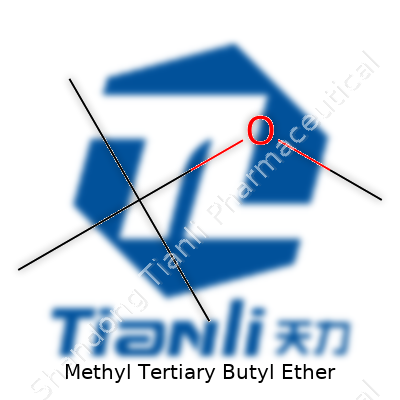
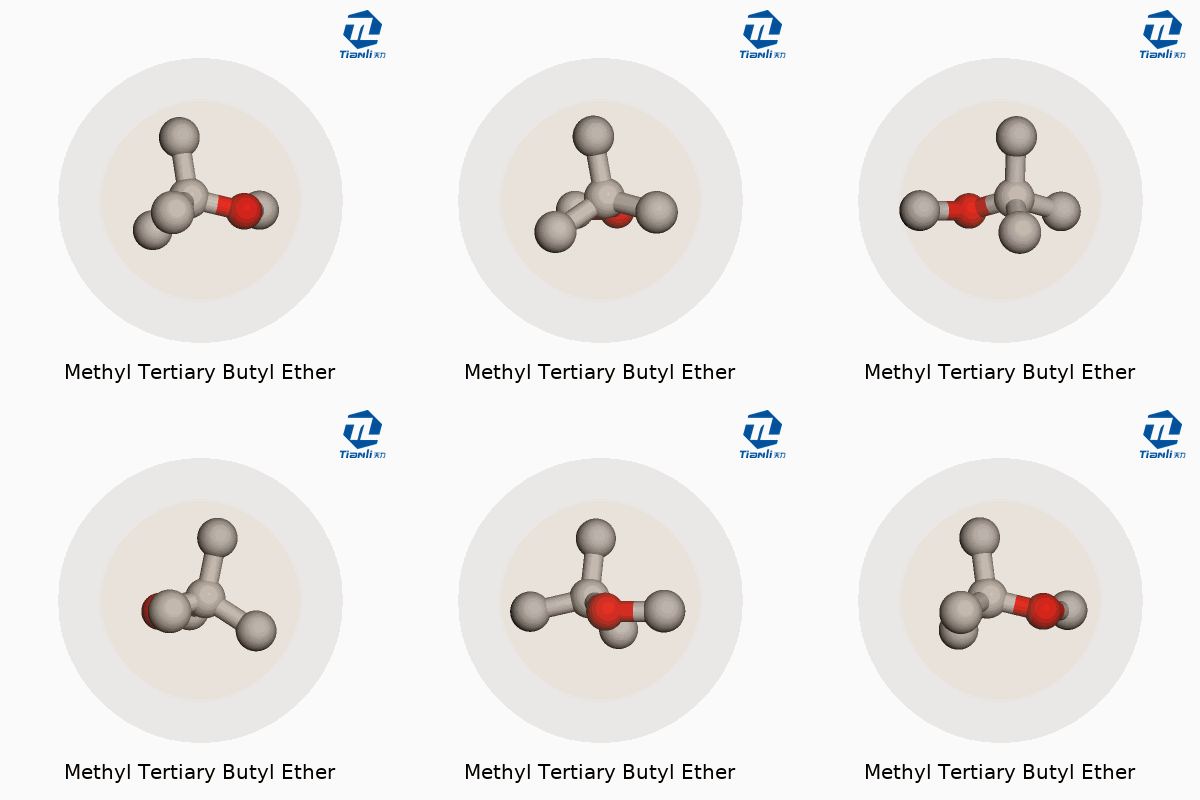
Methyl Tertiary Butyl Ether: The Story, the Science, the Stakes
Historical Development
Gasoline additives usually track the winding path of energy needs, environmental rules, and business drives. Methyl Tertiary Butyl Ether, often called MTBE, came up in the late twentieth century when oil crises and new air standards interrupted old habits. Makers looked for ways to boost octane without harmful lead. MTBE’s ability to push engine knockaway made it a natural choice in the United States by the late 1970s, especially after leaded gasoline started its long exit. Soon, the Clean Air Act amendments of 1990 carved out a new, bigger role for MTBE. Blending it into gasoline dropped carbon monoxide emissions in cities, meeting federal rules. For more than a decade, millions drove behind wheels burning gas laced with this clear, sharp-smelling compound, trusting it kept air and engines a little cleaner.
Product Overview
MTBE comes as a limpid, watery liquid with a sweet odor that stands out in any lab or industrial site. With roots in petrochemical plants, it gets made using isobutylene and methanol. Its main claim to fame circles back to making gasoline burn cleaner and more efficiently. Firms sell it by the tanker-load, mainly as a fuel additive. A sideline emerged in the chemical supply trade, as a solvent, and sometimes as a reagent in pharma synthesis, but most people run into MTBE unknowingly, at the gas pump. Gasoline reformulation programs made MTBE one of the biggest-volume synthetic chemicals in the world during its peak era – billions of liters blended in every year.
Physical & Chemical Properties
This ether boasts a boiling point around 55°C, a flash point below freezing, and mixes very easily with organic solvents—though it resists blending with water. Density hovers close to that of gasoline, and its low viscosity makes it practical for bulk storage, transfer, and injection into fuel streams. The chemical formula, C5H12O, summarizes a five-carbon backbone with a central oxygen atom that bridges a methyl group and a tert-butyl group. Flammability lives close to the surface, given those weak C–O bonds and low flashpoint, so fire safety drills and vapor controls come standard in its world.
Technical Specifications & Labeling
In industry, quality standards align under ASTM and other local rules, weighing purity, water content, acidity, and the presence of dimethyl ether or olefinic by-products. Labels on bulk shipments warn of toxicity, flammability, and vapor risks, using globally harmonized system coding and pictograms. Nothing beats seeing red-diamond and “flammable liquid” on a tank to sharpen compliance. Storage tanks, hoses, and containers must fit the dual hazards of fire and spillage, since an MTBE release can travel fast through air or groundwater.
Preparation Method
Large plants turn out MTBE using an acid-catalyzed reaction, typically combining isobutylene (cracked out of LPG or refinery streams) with methanol sourced from natural gas. Sulfuric acid and ion-exchange resin catalysts bank thousands of hours in these reactors, producing MTBE at high yields and low cost. After reaction, distillation columns split off unreacted methanol for recycling. Most facilities operate under high-throughput, low-waste principles, recovering any leftover isobutylene and squeezing product up to 99% purity or better. On the lab bench, people use similar steps, but on a much scaled-down, tutorial-friendly scale, stressing personal protective gear to keep fumes at bay.
Chemical Reactions & Modifications
The structure of MTBE gives chemists options for modification. It withstands mild bases and weak acids, but strong acids break the ether bond, dropping isobutylene and methanol. Burning it in air liberates CO2 and water, plus small amounts of formaldehyde or other aldehydes under poor combustion. Air oxidation at room temperature barely touches it, but sunlight, especially with NOx or ozone, nudges slow breakdown in air. In soil and water, the molecule resists bacterial digestion better than other ethers or simple hydrocarbons, raising issues for cleanups.
Synonyms & Product Names
MTBE appears in paperwork under tags like tert-butyl methyl ether, 2-methoxy-2-methylpropane, and methyl-1,1-dimethylethyl ether. From commercial catalogs to regulatory filings, companies often stick to the four-letter shorthand, but chemical supply firms in Europe or Asia sometimes drop in local labels or translations. As with any bulk industrial feedstock, mislabeling or confusion over identity can spark safety mishaps, especially during shipping or emergency response.
Safety & Operational Standards
Health and fire departments keep tight controls on MTBE workspaces. Everyone near the liquid or vapor wears eye and skin protection, gloves, and uses well-ventilated or closed systems. Facilities measure ambient air for MTBE levels, since inhalation leaves a sweet, camphor-like taste and raises headaches, dizziness, or worse over long exposure. Maintenance workers mind static charges, and hotwork protocols get enforced anytime cutting or welding happens near storage. Spill plans pivot on quick recovery and vapor suppression, as MTBE’s mobility in groundwater means tiny leaks can contaminate wells or streams miles away. Training never slacks—one missed step can turn a routine transfer into a major cleanup.
Application Area
Most people trust their cars to gasoline blended with MTBE through much of the 1990s and early 2000s. Octane improvement drew the spotlight first, but cities hungry for cleaner air put political muscle behind MTBE as an oxygenate. Out west and back east, standards for reformulated gasoline meant MTBE topped ten percent by volume in neighborhood gas tanks. Not everyone cheered: boaters, well-drillers, and small towns hit with foul-tasting tap water saw the downsides fast. Elsewhere, some used MTBE to extract pharmaceuticals in the lab, or as a solvent in resin production, but fuel dominated both volume and public focus.
Research & Development
For years, energy labs poured money and playbooks into studying combustion, emissions, and trace breakdown of MTBE. Industry aimed to balance high-octane rewards against trouble with leaks, off-flavors, or difficulties in detection at ultra-low levels. Researchers dug into how long MTBE lingers in soil and water, searching for bugs or enzymes to digest it. Cleanup technologies evolved, from air stripping and carbon filters to sophisticated bioreactor treatments. By the early 2000s, regulators started moving away from MTBE in favor of ethanol, reshaping questions around renewables, domestic supply, and public health.
Toxicity Research
Health agencies raised red flags about MTBE after field reports linked it to off-putting tastes and odors in drinking water, long before toxicologists traced paths through inhalation and ingestion. Animal studies showed high doses could damage kidneys or livers and raised cancer worries in rodents, but links to human health effects proved trickier to pin down. Risk assessments flagged sensitive groups—kids, pregnant people, workers exposed for years—but the persistent taste problem usually forced a solution before toxic numbers got close to regulatory cutoffs. My years following environmental chemistry taught me the big worry isn’t acute poisoning; it’s chronic, low-level exposure for folks who want their water to stay clean and smell like nothing.
Future Prospects
Rules have squeezed out MTBE from most U.S. and European gasoline pools, with only a handful of regions—mostly places with less local biofuel or weak alternatives—keeping it on board. Advances in analytical chemistry let crews spot even trace amounts in air or water. As the world pivots toward electric mobility and greener fuels, MTBE might slip to a niche role in specialty chemicals and industrial syntheses. Still, the legacy remains: cleanup sites scattered where leaks ran ahead of discovery. People in the chemical and remediation fields will keep wrestling with MTBE for decades, but new fuels and greener blends might finally eclipse its forty-year run as global gasoline’s silent partner.
Why MTBE Came Into Play
Drivers filling up at the pump probably never think about what’s mixed into their gasoline. Methyl Tertiary Butyl Ether, or MTBE, changed how the fuel industry improves air quality. MTBE started getting added to gasoline across the United States and many other countries in the late 1970s. The main goal was to boost the gasoline’s octane rating and help engines burn fuel cleaner, cutting down on harmful emissions. This move followed hard evidence showing leaded gasoline releases serious toxins that build up in the body and the environment.
Cleaner Burning Fuel—But at a Cost
By increasing octane, MTBE helped engines run smoother and reduced “knocking.” The Environmental Protection Agency backed MTBE use as part of a strategy to reduce smog, supporting national health targets set by the Clean Air Act Amendments. MTBE worked well—carbon monoxide and other smog-causing chemicals dropped in many big cities. This gave lawmakers and city officials real data showing how a single choice at refineries could mean fewer asthma attacks and ER visits, especially in neighborhoods with lots of traffic.
A Turn: MTBE in Groundwater
The downside didn’t take long to surface. MTBE dissolves quickly in water and doesn’t break down for a long time. Anyone who grew up near an old gas station has probably heard stories of contaminated wells or weird smells from tap water. Research linked these problems directly to leaking underground tanks and accidental spills. People in affected towns started reporting water that smelled and tasted horrible, and some studies flagged long-term health concerns from drinking MTBE.
Lessons Learned and Safer Directions
States like California and New York decided the risks outweighed the benefits. They banned MTBE ahead of the federal government, leading most refineries to switch to ethanol as a cleaner alternative. The switch helped cut down on water contamination incidents, but it wasn’t a silver bullet. Ethanol brought its own challenges, like increased corn demand, but it reduced the number of calls to local utilities about strange water tastes.
The Role of Science, Oversight, and Community Knowledge
Scientists keep searching for better fuel additives. Their work shapes how regulators balance clean air with water safety. Every time a new additive gets proposed, groups representing doctors, engineers, and neighbors push for years of study. They look for hard numbers, run water tests, and ask local governments to share data with the public. Today’s regulations require tighter inspections on gas storage tanks and careful monitoring of groundwater near refineries and gas stations.
Moving Forward: Fuel Needs and Quality of Life
People want affordable fuel without gambling with their health or the environment. Taking MTBE out of the national supply cost money, but clean water carried more value over the years. The lesson from the MTBE story reminds us: small ingredients in daily life can leave marks that last for generations. Communities deserve a say in what’s mixed into their air and water. By listening to those living with the side effects, scientists and lawmakers keep fuel choices focused on both cleaner cars and safer communities.
Understanding MTBE’s Role in Fuel
MTBE, short for methyl tert-butyl ether, grew popular in the 1990s as a fuel additive. Companies pushed for it after the Clean Air Act called for “oxygenating” gasoline to cut smog and improve combustion. MTBE caught on fast. It mixed well, bumped up octane, and helped engines produce fewer emissions like carbon monoxide. I remember fueling up in the late 90s and seeing stickers at gas pumps boasting “with oxygenates.” The idea was simple: burn cleaner, breathe easier.
Groundwater Tells a Different Story
Spilled gasoline seeps into the ground more often than drivers care to think. Once MTBE got into groundwater, people started noticing something was off. It smelled. Not just a faint whiff either—water tasted like turpentine at concentrations as low as 20 parts per billion. Utility crews struggled to clean it up. Living in a region where well water matters, I heard real worry from neighbors about odd aftertastes in tap water. Unlike other gasoline components, MTBE travels fast in soil, spreads widely, and sticks around for years. EPA testing found hundreds of water systems contaminated.
What the Science Shows
MTBE’s biggest environmental problem comes from the way it moves. It dissolves easily in water, doesn’t bind to soil, and breaks down slowly. Regular gasoline leaks might stay close to the spill, but MTBE takes a longer ride—sometimes miles beyond a gas station or pipeline break. A USGS survey in the early 2000s found MTBE in about 15% of tested drinking wells near cities. The health risks remain uncertain, but experiments in animals have triggered concern over higher levels. Plus, cleanup costs run into the millions. Just north of me, a single municipal well closure forced a town to dig new wells and run extra treatment, sending utility prices way up.
Better Additives, Fewer Headaches
Once the drawbacks of MTBE became clear, many states banned it. Some refinement companies turned to ethanol—a more familiar name with fewer groundwater complications, and which breaks down faster in nature. Shoppers never got a say in that shift, but water tasted better and city budgets didn’t spiral out trying to clean up mysterious chemicals. I’ve seen firsthand the difference: local water districts cut monitoring costs, and the public called in fewer complaints about taste or odor.
Carrying MTBE’s Lessons Forward
The MTBE debate highlights a hard truth about cleaner fuel aims: not every quick-fix fits in the long run. Regulatory pushes make sense, but only if long-term impacts get a careful look. Fuel design needs more than lab tests. Field results show the real story. More community monitoring, transparent chemical choices, and steady investment in cleanup tech matter more than ever. Every water drinker deserves to know their next glass won’t taste like the inside of a fuel can.
Why MTBE Caught My Attention
Every so often, news pops up about chemicals in our water, and one that stood out during a public meeting in my town was MTBE—a gasoline additive called methyl tert-butyl ether. I started asking questions after hearing folks worried about odd smells and taste in their tap water. Some shared stories of headaches and nausea after long showers or chores. The conversation got me digging deeper into what MTBE can do to our bodies, not just our environment.
What Happens When People Breathe or Drink MTBE
MTBE’s main job in gasoline is to help fuel burn cleaner, but it’s a lousy neighbor if it leaks out. Gas station spills and old storage tanks let it seep into wells and groundwater, then into homes. According to the Agency for Toxic Substances and Disease Registry, breathing MTBE vapors often leads to headaches, nausea, dizziness, and even feelings of confusion. Some residents in contaminated areas have reported these symptoms after doing simple chores like washing dishes or cleaning floors, not realizing the culprit waited in their water pipes.
Years ago, a colleague who lived near a leaky old service station found out the hard way. His kids complained about tummy aches and their water tasted strange. Soon, tests showed MTBE at levels that made the local health department take notice. That family ended up getting bottled water for months, but others might not catch these early signs unless they know what to look for.
Concern About Long-Term Exposure
Animal studies point to bigger risks over time. Rats and mice given high levels of MTBE developed kidney and liver tumors. It’s not clear if humans face the same risks, but the U.S. Environmental Protection Agency hasn’t discounted the danger. The fact that MTBE moves through soil fast means that even a small spill in one spot can spread far and wide, showing up in places nobody expects.
Some research suggests that children might face special risks because their bodies and immune systems are still developing. Compared to adults, kids drink more water per pound of body weight, so they could get a bigger dose of MTBE from contaminated sources. Expectant mothers have reason to worry too, since exposure during pregnancy could add complications. Even dermal contact—like bathing or washing hands—might pose health risks, though most absorption happens through breathing and drinking.
What Can We Do About MTBE?
Practical solutions matter most for regular families and local officials. Testing home water wells should be part of routine safety checks in areas with a history of leaking gas stations. Water filters designed for volatile organic compounds can lower exposure, but they need to be installed properly and maintained. Everyone, even renters, can ask their water supplier for results from the latest tests. Speaking from experience, pushing city councils to fix old storage tanks and monitor gas station maintenance gets faster results than waiting for state or federal action.
MTBE serves as a reminder that the things we use to make everyday life easier can come back to bite us. Sharing stories and demanding transparency from local officials helps keep communities safer. Simple steps—testing water, using the right filters, reporting problems—give everyone a better shot at staying healthy, even with stubborn chemicals lingering in our environment.
The Real Story Behind MTBE Production
MTBE stands for methyl tert-butyl ether. It's a chemical compound that came into the limelight as a gasoline additive, mainly for boosting octane and cutting down engine knocking. Oil refineries mix it into fuel, believing it helps lower harmful emissions. Yet beneath these good intentions lies a process that shapes both industry practices and environmental concerns.
Breaking Down the Chemistry: How Factories Create MTBE
MTBE forms through a chemical reaction between methanol and isobutylene. Refineries typically produce these two components from crude oil or natural gas. Companies take isobutylene—an ingredient pulled out during the cracking of petroleum products—and combine it with methanol under increased pressure and heat. Efficiency becomes the name of the game. Catalysts such as a type of acid or a resin often get thrown into the mix so the reaction speeds up. You end up with colorless liquid MTBE, ready for blending into gasoline.
Using this method, producers can churn out huge quantities of MTBE fast. Decades back, this seemed like a genius solution for cleaner-burning fuel. The octane boost meant automakers could raise engine efficiency without worrying about noisy knocking. At the same time, cleaner gasoline promised a reduction in smog-forming pollutants. The chemistry works—no mystery there. The challenge shows up down the road, far from the controlled environment of the refinery floor.
What This Means for Health and the Environment
I grew up near a busy highway, and the smell of gasoline always seemed to hang in the air. MTBE’s role in that scent might not leave much trace, but its impact seeps much further than just the nose. The real trouble starts the moment MTBE leaks into groundwater. It's so soluble in water that once it gets loose, it spreads fast, giving drinking water a faint taste and odor even at low levels. According to data from the U.S. Environmental Protection Agency, studies found MTBE in about 15 percent of urban wells sampled a couple decades ago.
Long-term exposure at high concentrations can irritate the respiratory system and pose serious risks for those near contaminated sources. Some small towns realized too late that their main water supply carried the telltale marker of MTBE. Cleanups cost millions. Trust in local water fades. That's a tough price for a fuel additive designed to do good.
Weighing Solutions: Should MTBE Stay or Go?
MTBE hit its stride in the 1980s and 90s, yet by the early 2000s, cracks in public confidence grew wider. Some states, like California and New York, banned MTBE outright. Refineries switched to alternatives such as ethanol, hoping to meet federal air regulations without so many headaches over water safety.
The story of MTBE drives home the point that chemical innovation must constantly go hand-in-hand with environmental responsibility. Producers need to tighten leak prevention measures—better storage tanks, tougher pipeline inspection, improved spill response. Regulators and industry groups also have a job to stay ahead of the unintended side effects that often follow large-scale chemical use. Innovation doesn’t mean much if health and safety get left behind.
MTBE rose because it worked for engines and for air quality, but the bigger picture—one that includes water, people, and ecosystems—can’t get left out. Let’s remember that the right solutions start with fact-based, honest thinking about all the ways a chemical lives in the world once it leaves the lab.
Why MTBE Shows Up in Our Water
MTBE, short for methyl tertiary-butyl ether, turned up in gasoline back in the late 1970s. Folks aimed to cut down air pollution, so this chemical got mixed in, helping fuel burn cleaner. This plan worked well for air quality, but most people didn’t think much about where MTBE went once cars emptied their tanks and gas found its way into the ground.
I grew up near a busy interstate. We used well water, the kind that tasted fresh most days, but every once in a while, neighbors griped about odd smells or bitter flavors. Turns out, leaking tanks at old gas stations or spilled fuel can let MTBE slip underground. MTBE dissolves easily in water, so it spreads quickly through soil and aquifers, unlike oil and gasoline, which tend to stick close to the original spill. Once it’s in the groundwater, pulling it back out proves costly and tricky.
The Health Concerns Are Real
People don’t expect tap water to taste like turpentine or paint. That’s what even tiny amounts of MTBE can do — you might spot its strange smell or taste at concentrations as low as 20 parts per billion. Scientific studies found MTBE linked to health risks. Tests on animals showed possible links to kidney and liver problems as well as some cancers. Drinking water contaminated with MTBE may not lead straight to these outcomes, but the risk raised enough alarms that both federal and state governments started to act.
California moved fast by banning MTBE back in 2004, and other states followed. The Environmental Protection Agency set guidelines, though federal rules stop short of tough regulations. Public concern kept the pressure up, pushing for cleaner alternatives in gasoline and better monitoring of water supplies. Even so, thousands of old underground storage tanks still dot the map, which means the risk lingers for many communities.
Looking for Solutions Makes Sense
Fighting MTBE in water must start with keeping it out in the first place. Fixing old underground tanks helps. Double-walled tanks, leak detectors, and better spill management offer strong protection. A lot of states now set strong rules for new tanks and force owners to clean up old spills. Utilities began boosting water treatment plants with systems like activated carbon and air stripping, both effective for trapping or evaporating MTBE from drinking water supplies. These fixes aren’t cheap, though. Smaller towns face steep bills when a contaminated well needs replacing or major cleanup.
Even today, water testing remains the only way folks know if they should worry. Regular checks, paired with public reporting, matter in places close to historic filling stations or terminals. MTBE showed how easy it was to overlook the link between air pollution fixes and water safety. Now, when people look for cleaner fuels or new chemicals, checking for water risks counts just as much as watching what goes into our air.
Community Voices and Responsibility
People tend to trust their local water until problems force them to pay attention. MTBE did more than leave a bad taste — it taught that one solution can spawn new problems. Real progress depends on linking researchers, regulators, industry, and everyday folks. Good science, strong local laws, and steady public pressure offer a path forward. By keeping track of past pollution and demanding better protections, communities put health first, both above and below the ground.