Sodium Ascorbate: A Practical Overview and In-Depth Commentary
Historical Development
Sodium ascorbate made its way into the market as an answer to the need for a buffered, less acidic form of vitamin C. Chemists started looking for ways to cut down on the stomach discomfort linked to ascorbic acid, especially as populations began to focus more on preventative healthcare. Research journals from the 1930s and 1940s reflect these efforts, sparked by the earlier isolation of vitamin C by Albert Szent-Györgyi. By the mid-20th century, food scientists and pharmaceutical companies recognized sodium ascorbate’s value not only in dietary supplementation but also in food preservation, driven by the desire to extend shelf life without artificial chemicals. Generations of practitioners since then have seen firsthand how the compound offers a gentler option for people with sensitive digestive systems.
Product Overview
Sodium ascorbate doesn’t show up in brightly colored packaging on most store shelves, but its reach goes beyond what many realize. It serves as a fundamental ingredient in many multivitamin blends and foodstuffs, where it often goes unnoticed. The USP and FCC grades assure users about quality, which matters whether you’re mixing it into a health drink, using it in a laboratory analysis, or preserving meat. Tablets, capsules, powders, and injectable solutions give manufacturers options that cater to different uses in consumer and industrial settings.
Physical & Chemical Properties
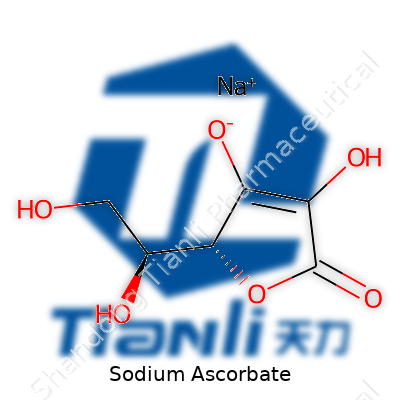
In real-world use, sodium ascorbate shows up as a white or slightly yellow, crystalline powder that dissolves readily in water, giving a nearly neutral pH solution. This solubility is a boon for beverage manufacturers and anyone preparing intravenous blends. With a molecular formula of C6H7NaO6 and a molecular weight around 198 g/mol, it fends off oxygen, acting as a reliable antioxidant. Sodium ascorbate stands up to short-term heat and light exposure better than ascorbic acid, but still loses potency over days or weeks if left open to the air or stored in warm, damp conditions.
Technical Specifications & Labeling
Labels on sodium ascorbate often list the content of vitamin C, sodium load, and any relevant certifications. Some countries demand bulk containers bear batch numbers, expiry dates, and a purity percentage, often above 99% for pharmaceuticals and food supplements. Labels identify sodium ascorbate as “an antioxidant” or “a form of vitamin C,” and list storage directions that emphasize dryness and avoidance of heat. Food-grade batches follow limits on heavy metals, microbial count, and sometimes the origin of precursor substances. In my work, attention to accurate labeling stands out as a key tool for transparency and consumer trust, reducing confusion for buyers and regulators.
Preparation Method
The actual production of sodium ascorbate relies on a straightforward chemical reaction. Aqueous ascorbic acid, dissolved in distilled water, meets sodium bicarbonate or sodium carbonate in an exacting stoichiometric proportion. The process fizzes with carbon dioxide and forms a solution, which then gets filtered, heated, and dried to a stable powder. The methods largely echo the industrial protocols for making tableted vitamin C, but manufacturers working at scale keep strict records and use filtration or crystallization techniques to meet food and pharmaceutical purity. Smaller batches, as seen in compounding pharmacies, often use sterile water and aseptic technique for injectable forms. Quality control, right down to the cleanroom garments, helps keep impurities out of the finished product.
Chemical Reactions & Modifications
Sodium ascorbate holds value because it donates electrons easily, scavenging free radicals or reacting with oxidizers that spoil food fat and color. The sodium ion itself stays uninvolved in the redox dance but helps stabilize the ascorbate form. Under basic conditions, sodium ascorbate converts to dehydroascorbate, which also shows up in biological pathways. Food scientists sometimes pair sodium ascorbate with other antioxidants like tocopherols, or tweak formulations with stabilizers for better shelf life. Research chemists have even modified the ascorbate portion with glycosylation or esterification to create new derivatives aiming for specialized bioavailability or antioxidant power.
Synonyms & Product Names
Sodium ascorbate goes by a variety of names depending on the context and region. The food industry uses E301 in ingredient decks, while chemical catalogs reference names such as “Sodium L-ascorbate” or “Monosodium ascorbate.” Pharmacists and nutritionists refer to it as “Buffered vitamin C,” making it easier for the public to distinguish from straight ascorbic acid. Bulk suppliers may ship the substance as “Pharmaceutical grade sodium ascorbate” or “Food additive sodium ascorbate.” Having worked with different industries, I have seen order forms that request “Antioxidant powder E301” for meat plants or “Injectable vitamin C sodium salt” for hospital pharmacies.
Safety & Operational Standards
Health authorities including the FDA and EFSA recognize sodium ascorbate as generally safe when used properly. Manufacturers and users both pay attention to good manufacturing practices: clean hands, protective masks and gloves, dry sealed storage, and lot tracking help prevent contamination. Bulk use demands spill procedures and eye wash stations because powders at industrial scale can be irritating. Pharmaceutical operators keep strict records of sources and storage times to ensure nothing slips through the cracks. In my time dealing with dietary supplement companies, the best-run outfits put quality assurance at the top of their priorities—internal audits, staff training, supplier checks, and customer feedback all prevent mistakes that could lead to health problems or regulatory fines.
Application Areas
Sodium ascorbate plays a broad role in sectors that range from nutrition and medicine to food processing. Many healthcare professionals recommend it to patients who need a gentler vitamin C supplement due to gastrointestinal sensitivity. Food processors depend on sodium ascorbate to slow spoilage in cured meats and beverages, prolonging color and flavor. Animal feed producers blend it into supplements to ensure livestock get steady antioxidant intake. In the lab, sodium ascorbate facilitates chemical syntheses requiring a mild reducing agent—something as direct as reversing oxidative damage in tissue samples. I have seen manufacturers develop special tablet mixes where sodium ascorbate works alongside micronutrients and herbal extracts, using the compound as an insurance policy against oxidation.
Research & Development
Scientists have revisited sodium ascorbate repeatedly, aiming to improve its bioavailability, stability, and physiological effects. Animal and cell studies track the vitamin C plasma levels reached after oral or intravenous use of sodium ascorbate versus ascorbic acid, often searching for ways to increase tissue saturation with minimal side effects. Research articles highlight the antioxidant roles of sodium ascorbate in reducing oxidative stress, supporting immune function, and possibly influencing cancer or cardiovascular health. Drug developers have looked at delivery systems—liposomal forms, controlled-release capsules, and injectable mixtures with other nutrients. Feedback from patients and practitioners has also nudged product designers to include flavor masking agents and sodium-free alternatives for those sensitive to salt intake.
Toxicity Research
The question of toxicity often comes up for dietary supplements such as sodium ascorbate, particularly as people chase high-dose vitamin C protocols. Toxicological studies recognize that acute toxicity is rare at common doses, but regular consumption above 2 grams daily brings risks—mainly gastrointestinal discomfort and, for those with kidney problems, the potential for stone formation. Sodium content poses another consideration for people following salt-restricted diets. Recent case reviews and meta-analyses remind users and clinicians that while vitamin C is water soluble, this doesn’t mean unlimited consumption is risk free. Clever packaging and better doctor-patient communication both discourage high-dose misuse, and clear public health messaging around daily limits brings risks into the open.
Future Prospects
Innovation keeps sodium ascorbate in the spotlight. Companies now look towards encapsulated forms that resist degradation in juice-based drinks and shelf-stable food, along with plant-based and non-GMO versions to meet dietary demands. Areas like immunonutrition and oncology continue to generate both hype and rigorous exploration of intravenous use. Researchers remain curious about pairing sodium ascorbate with probiotics, flavonoids, or trace minerals for synergy effects. Industrial chemists tinker with novel blends aiming for longer shelf life or improved taste in children’s products. The future likely holds a mix of enhanced delivery technologies, stricter regulatory frameworks, and greater public health awareness, keeping this stalwart vitamin C source just as vital in tomorrow’s market as in today’s.
Breaking Down the Basics
Sodium ascorbate has become a point of interest for people watching their health, especially those who want to boost their immune system. Unlike the classic ascorbic acid form of vitamin C that often stirs up a ruckus in sensitive stomachs, sodium ascorbate blends vitamin C with sodium. That simple tweak changes the pH, making it less acidic and easier on the gut. For people who regularly battle heartburn or digestive issues with typical vitamin C, sodium ascorbate steps in as a gentle alternative.
The Body’s Relationship with Vitamin C
Vitamin C supports the body in countless ways. As an antioxidant, it helps fend off damage from free radicals, which show up from stress, poor diet, or pollution. Lowering free radical levels cuts down inflammation and helps protect tissues and organs. A strong immune system relies heavily on steady vitamin C. If you take sodium ascorbate, you’re still getting all those immune-boosting perks—like making white blood cells more efficient at fighting off viruses and bacteria.
The Digestive Difference
Those with sensitive stomachs know the pain that can come from some vitamin C supplements. The problem usually comes down to the acid. Heartburn flares up, and some folks feel downright sick. Sodium ascorbate’s neutral pH brings welcome relief. I’ve noticed, both in my own family and my health-focused friends, that making the switch helped them get their daily vitamin C without the dreaded upset stomach.
Help for People with Sodium Needs
It’s true that sodium ascorbate contains sodium, and there’s a big debate over sodium and blood pressure. While it shouldn’t be a big deal for most people, those with hypertension or strict sodium restrictions might want to talk to their doctor. In reasonable doses, sodium ascorbate isn’t adding a salt heap to the daily diet. Even the American Heart Association points out you’d need massive supplements each day to really impact your sodium load, far more than anyone would normally take.
Bioavailability and Absorption
Some supplement fans talk about absorption—how much vitamin C the body actually grabs from the pill or powder. Sodium ascorbate scores high marks on this. Its chemical structure lets it dissolve and absorb quickly. That means more vitamin C racing through the bloodstream and less passing straight through. If you’re feeling under the weather and want a quick kick, fast absorption can make a big difference.
The Big Picture and Practical Tips
For most folks, getting enough vitamin C from whole foods—like peppers, citrus, and berries—works just fine. Some situations crank up the body’s need, though. Heavy physical stress, smoking, or fighting off an illness, all use up vitamin C fast. If you need extra support and regular supplements don’t sit well, sodium ascorbate gives you another option.
Research backs up the safety and effectiveness of sodium ascorbate as a vitamin C source. It’s commonly used in hospitals, too, where high doses go straight into the veins for patients who need that immune boost. Choosing sodium ascorbate isn’t a magic shortcut to perfect health, but for those with sensitive stomachs or folks looking for gentle high-dose support, it’s a switch worth considering. Just remember: no pill replaces a steady diet of fresh, colorful foods. A solid conversation with a healthcare provider helps sort out how supplements fit your needs.
A Closer Look at Vitamin C Options
Stores fill their shelves with supplements these days, and vitamin C sits right up there. Folks often ask about sodium ascorbate and ascorbic acid. Both offer the benefits of vitamin C, but they’re not the same. Knowing the difference matters, especially for those paying close attention to how their body feels after taking supplements.
Ascorbic Acid: Straightforward and Potent
Ascorbic acid comes as the most straightforward form of vitamin C. I’ve taken pure ascorbic acid powder myself, mixing small scoops into my water bottle during allergy season. The taste hits sharp and tangy. For people with sensitive stomachs, that tang can mean gas or cramping. That sour bite comes from the acid—the name doesn’t lie. Like most water-soluble vitamins, your body flushes out the extra if you take too much, but that doesn't erase the stomach irritation for some.
Food chemists have studied ascorbic acid since the 1930s, and its benefits stick: fighting off scurvy, supporting the immune system, and helping iron absorption. Surveys show most vitamin C studies use ascorbic acid because results stay predictable. Still, some manufacturers want to give options beyond the standard.
Sodium Ascorbate: Buffered and Gentler on the Gut
Sodium ascorbate brings a slightly salty twist to vitamin C. Scientists bind vitamin C with sodium to reduce the acidity. People I know with chronic heartburn find sodium ascorbate less irritating, especially if they aim for higher daily doses. Early research shows sodium in this form doesn’t push up blood pressure in healthy adults the way table salt can. Others want that buffer, particularly if they’ve had gastric bypass or ongoing digestive struggles.
Health professionals point to its pH—more neutral than its acidic cousin—which suggests less risk for tooth enamel wear and mouth irritation. Some dentists hint that chewing ascorbic acid tablets wears down enamel, so switching to sodium ascorbate or drinking through a straw could help.
What Science Says about Absorption
Clinical studies pile up on both forms. Researchers see no big differences in absorption rates or how the body uses the vitamin. Both forms get converted to ascorbate in the bloodstream. The key difference centers on the sodium part for sodium ascorbate and the direct acid load for ascorbic acid. If someone watches sodium intake because of a heart condition or kidney issue, that brings extra considerations, though the actual sodium content in a day’s dose usually lands lower than a pinch of salt, nowhere near what comes from processed foods.
Choosing What’s Best for You
Shoppers tend to go for sodium ascorbate if they’ve had stomach pain from ascorbic acid, or they want to load up without fussing about side effects. I’ve seen parents pick this form for kids with sensitive digestion. Still, there’s value in remembering both products support vitamin C needs, as long as the dose sits right for your circumstances.
For those unsure, I’ve found that starting with a small dose and listening to your body brings more clarity than any label can. Pharmacists and dietitians offer solid guidance on which makes sense for your daily habits. If vitamin C in food already plays a big role in your diet, either of these forms can serve as a backup, not a replacement.
Understanding the Basics
Ask anyone strolling the supplement aisle about vitamin C, and they’ll probably think of ascorbic acid. Sodium ascorbate gets less attention, but it offers a gentler alternative for folks with sensitive stomachs or those who react to regular vitamin C. Doctors often suggest sodium ascorbate for people who can’t tolerate the sourness or acidity of other forms. Since it keeps pH levels closer to neutral, stomach upset doesn’t pop up as often.
What’s the Dosage?
Adults who just want to cover the basics usually hear about 75 – 90 mg per day, which lines up with the standard vitamin C recommendations from the National Institutes of Health. This level keeps you from running short but doesn’t reach into territory that might upset your digestive system.
Many out there, though, reach for much higher dosages — especially at the first sign of a cold, during heavy stress, or when they’re fighting inflammation. For actual sodium ascorbate, those doses can range from a few hundred to 2,000 mg per day. Health agencies consider 2,000 mg daily as the “upper limit” for vitamin C, and sodium ascorbate follows that guideline. Stomach aches, loose stools, and even headaches show up if you cruise past that mark for too long. Folks with kidney problems or a history of kidney stones should take even more care; too much vitamin C can sometimes trigger stone formation.
Why Dosage Matters
Growing up, cold and flu season always meant orange juice by the gallon, but real protection rarely comes from such heroic efforts. High doses can help a body in distress, but they’re not without risks. Over time, researchers noticed that a steady intake — not wild swings — keeps the immune system humming and tissues healthy. A 2013 review in the "Cochrane Database" found that daily vitamin C might shorten colds for some folks but won’t stop illness altogether. Mega-dosing, once a popular trend, never quite lived up to its early hype.
Supplements fill gaps, especially for people who struggle to eat fruits and veggies every day. But slamming down grams of sodium ascorbate won’t magically shield anyone from viruses or reverse poor nutrition. The body can only use so much at a time, and the rest leaves the system through urine.
Keeping It Safe
Instead of treating every bottle as a free pass, think about long-term habits. Always pay attention to serving sizes — one teaspoon of sodium ascorbate powder gives about 4,400 mg of vitamin C, so even half a teaspoon goes beyond daily needs for most people. Spreading out smaller amounts through the day works better and feels lighter on the gut.
For anyone taking other medications, checking in with a healthcare professional makes sense. Sodium ascorbate can affect the way some drugs work, especially in large amounts. If you’re pregnant, breastfeeding, or have health issues like hemochromatosis, keep an eye out for complications. The best answers won’t always come from a label; a pharmacist or doctor can help put together a personal plan based on diet, age, and health concerns.
Steps Toward Better Health
Back in my college days, I tried to compensate for late nights and ramen noodles by loading up on supplements. In the end, it was consistency that helped most — not overdoing it. While sodium ascorbate can boost intake for folks with special needs, real benefits come from balance. Solid meals and regular sleep hit the mark more reliably than chasing superhuman vitamin C levels. When in doubt, less can be more.
Understanding Sodium Ascorbate
Sodium ascorbate shows up in many medicine cabinets as a buffered form of vitamin C. Lots of people reach for it hoping for a gentle vitamin C boost without the stomach burn that often comes with regular ascorbic acid. It floats around in wellness circles as a defense against colds and a supporter of general health, and doctors sometimes suggest it for those with sensitive stomachs. Vitamin C remains essential for health. Cells use it for growth and repair, and it supports the immune system in daily battles against infection. Foods like oranges, berries, and peppers have plenty of natural vitamin C, but supplements like sodium ascorbate offer a concentrated source.
Looking at Risks: Not All Sunshine
Nothing in the supplement world comes without a flip side. Talking with pharmacists and reading through published research, it's clear sodium ascorbate has its risks, especially at high doses. Some people get too comfortable with the idea that more vitamin C automatically means better health. In reality, large doses—usually above two grams per day—can bring on diarrhea, upset stomach, and cramps. I’ve talked to folks who tried megadosing and ended up spending a lot more time in the bathroom than expected. Their stories line up with studies from the National Institutes of Health that warn about these digestive problems.
Sodium ascorbate packs a decent amount of sodium, adding to daily salt intake. That often gets overlooked. Anyone managing high blood pressure or heart disease needs to watch for this hidden source. The American Heart Association points out that most people already eat too much salt; even supplements can help push numbers higher. It’s surprising how easy it is to blow past recommended limits when sodium sneaks into unexpected places.
There is another side: long-term use of high-dose vitamin C or sodium ascorbate can increase risk for kidney stones, mainly in people who have a history of them. Research at Mayo Clinic shows excess vitamin C passes into urine as oxalate, which can contribute to stone formation. It’s a good idea to listen to your body and not ignore pain in the lower back or changes in urination patterns.
Who Should Think Twice?
People with kidney problems, heart trouble, or a tendency toward kidney stones have the most reason to look twice at sodium ascorbate before popping capsules or adding powder to their drink. Pregnant people and children shouldn’t supplement above the recommended daily allowance without talking to a healthcare professional. GPs often remind patients that natural food sources give enough vitamin C if eaten in reasonable variety, without the risks tied to excess intake.
Trying to Get It Right
Getting enough vitamin C doesn’t demand mega doses. Eating a rainbow of fruits and vegetables usually covers the bases. Those with a special need for extra vitamin C should double-check with their doctor, especially if existing conditions might complicate things. Nutritionists remind folks to keep an eye on sodium from all sources including supplements. Marketers rarely draw attention to this, but it makes a big difference for blood pressure over time.
Supplements can help in special cases—strong evidence backs up their role for people with malabsorption disorders, certain infections, or during recovery from surgery. For most healthy adults, sodium ascorbate only makes sense when food options fall short. Reading labels, tracking total daily intake, and asking questions at the doctor’s office brings fewer surprises and better health outcomes in the long run.
Looking at the Daily Dose Question
These days more people add vitamin C to daily routines, not just during cold and flu season. Sodium ascorbate, a less acidic form of vitamin C, pops up often in the conversation. Many adults reach for it, seeking an immune boost or hoping it keeps them energized. The body doesn’t store vitamin C long-term, so it makes sense folks want to replenish it each day. According to the U.S. National Institutes of Health, folks 19 years and older need about 75–90 mg per day, and a little more if smoking or pregnant. Sodium ascorbate delivers vitamin C along with a small boost of sodium, and it tends to be gentler on the stomach than traditional ascorbic acid. Still, “gentler” doesn’t mean unlimited use, especially where kids come in.
Digging Into Safety for Children
Parents recognize the importance of strong nutrition during growth years. Kids need enough vitamin C for healthy teeth, bones, and immune function. Fruits and vegetables do the trick in most cases. Pediatricians usually say children aged 1–3 only need about 15 mg/day, and ages 4–8 need 25 mg/day. That’s far less than the multi-gram doses some adults promote for themselves. Giving a child large amounts in supplement form stacks unnecessary sodium and raises the risk of diarrhea or belly pain. No pediatric organization recommends a daily sodium ascorbate supplement for most kids—diet does the job just fine. Children with certain medical conditions or restricted diets might see a benefit under medical advice, but self-prescribing rarely pays off.
The Sodium Factor
Sodium ascorbate tastes less tart, so manufacturers sometimes add it to processed foods and vitamin tablets. It also contains sodium, which, in high amounts, can trouble blood pressure and long-term heart health. One gram of sodium ascorbate gives about 130 mg sodium. While that amount seems small, families who take supplements without considering other sodium sources in their meals could see levels stack up over time. Kids especially are sensitive to excessive sodium. The American Heart Association points out the average child eats far above recommended salt limits, coming mostly from processed snacks and restaurant meals. Dropping extra sodium from supplements nobody needs usually works in everyone's favor.
What Science Says About Dosing
High doses of vitamin C, sometimes thousands of milligrams daily, became a trend thanks to stories that it “super-charges” the body. Years of research suggest regular, moderate vitamin C supplementation keeps blood levels in the healthy zone without risk. Overdoing it doesn’t give extra protection—excess just leaves the body through urine. People over 2000 mg per day may notice headaches, kidney stones, or stomach upset. In kids, such risks come with even lower amounts. The Food and Drug Administration doesn’t regulate supplement purity or dosing the same way as food and medicine, so quality control varies. Parents weighing vitamins for the family ought to look for brands following third-party testing or certifications.
Finding Common-Sense Approaches
Real-world experience counts for something: Parents who offer a variety of fruits and vegetables at meals rarely worry about vitamin C levels. For adults, adding moderate sodium ascorbate for a season, such as during winter months or times of stress, looks generally safe. A doctor or registered dietitian can offer personal guidance, especially for anyone with health problems, allergies, or multiple medications. Relying on pills over real food rarely fixes underlying nutrition gaps. Eat the oranges, peppers, and strawberries—supplements do the rest when needed, and only after fact-checking the actual need. Children thrive on balance, not more of what's already in their diet.