Sorbitol: Evolution, Science, and Future Prospects
Tracing Sorbitol’s Historical Footprint
Centuries ago, folks noticed sweet notes hiding inside mountain ash berries, and sorbitol quietly entered the scene. Back then, researchers found it by grinding and extracting, linking sorbitol’s name to the botanical genus Sorbus. As chemistry advanced through the nineteenth and twentieth centuries, labs began to identify and isolate this sugar alcohol, running with new discoveries in food technology, health, and materials science. Over decades, advances in fermentation and catalytic hydrogenation scaled up production, turning what once grew in small clusters into tank loads that power everything from candy to toothpaste.
Inside Sorbitol: Product Overview
Sorbitol feels cool on the tongue and carries a gentle sweetness—roughly two-thirds as sweet as table sugar. Unlike regular sugars, it stands out as a polyol, fitting snugly in health-conscious products. Food scientists and manufacturers prefer it for moisture retention and non-cariogenic properties, which proves handy in chewing gum and sugar-free snacks. In daily life, sorbitol pops up in baking mixes, cough syrups, cosmetics, and even as a plasticizer in certain pharmaceuticals.
Physical & Chemical Characteristics
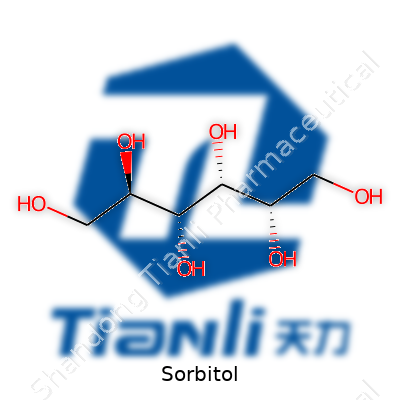
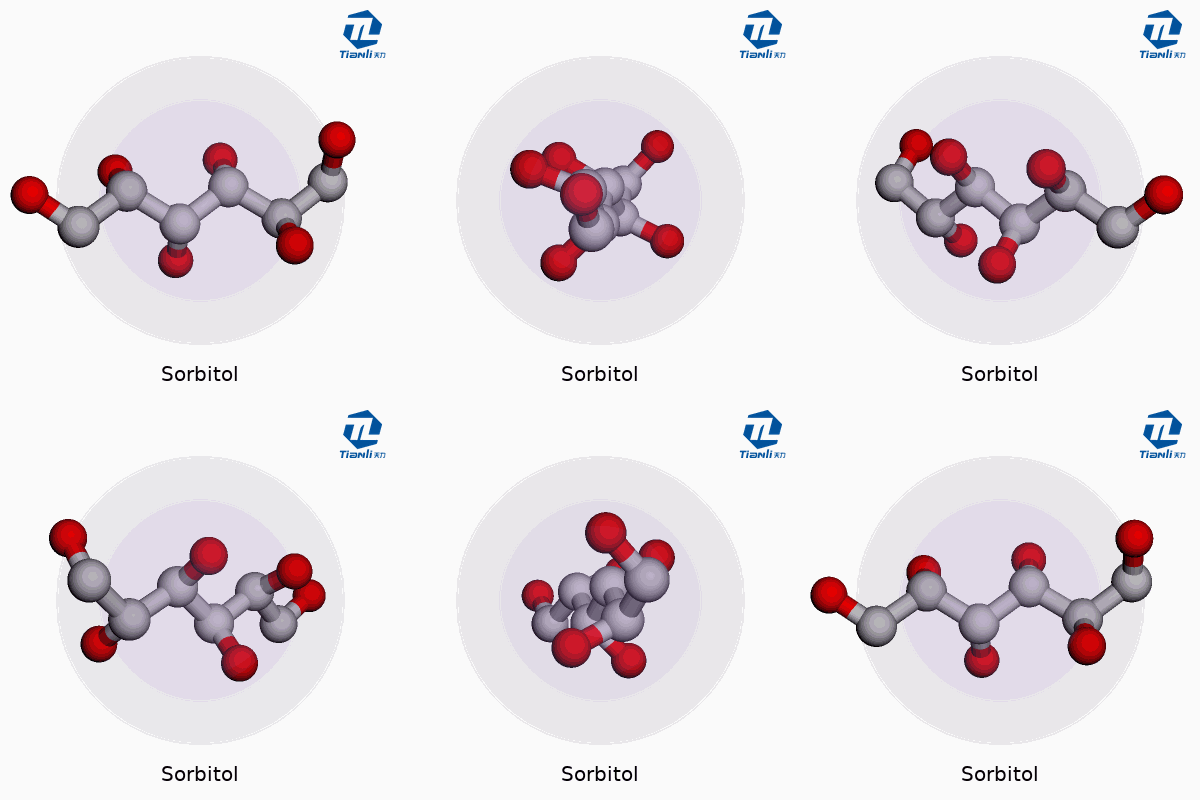
On the lab bench, sorbitol appears as a white, odorless crystalline powder or a thick, clear syrup depending on the chosen form. Its molecular structure, C6H14O6, houses six carbon atoms and plenty of hydroxyl groups, granting a pleasant hydrophilicity that attracts water like a magnet. Sorbitol resists browning at high temperatures and stays stable under acidic and alkaline conditions—something bakers and pharmaceutical formulators have counted on for ages. It dissolves well in water and keeps a low-caloric value, helping in diet food without sacrificing texture.
Technical Specifications & Labeling Practices
Manufacturers put out a range of purity grades, often checked under stringent quality control. For the syrup form, concentrations of 70% in water frequently line up with commercial standards. The crystalline variety calls for more demanding controls—low moisture content, minimal impurities, and strict limits for contaminants like heavy metals and reducing sugars. Food and drug agencies worldwide push labeling that calls out not just “sorbitol” but also E-number E420 in the European Union, while safety statements for overconsumption make their way onto bottles and packages. Global regulations demand precise allergen status updates, kosher and halal compliance, as well as GMO-free declarations when needed.
How Sorbitol Gets Made
Factoring in industrial needs, chemists usually convert glucose—mainly sourced from corn or wheat—straight into sorbitol through hydrogenation. The process runs under high pressure and temperature, in the presence of a nickel catalyst. This method nails down consistency and drives output for food, pharmaceutical, and chemical sectors. Fermentation-based routes, tapping into engineered microbes, also gather steam as sustainability carries more weight in procurement decisions. Production scales stretch from compact batch reactors to sprawling continuous plants that can supply the demands of multinational brands.
Shifts through Chemical Reactions & Modifications
Core chemistry textbooks cover sorbitol’s knack for participating in dehydration, esterification, and oxidation reactions. Under certain conditions, it transforms into isosorbide, showing up in innovative bioplastics. Sorbitol esters find work as emulsifiers and surfactants. Its flexibility reveals new uses as researchers keep searching for greener, cheaper ways to swap fossil-derived materials. Beyond food and pharma, the chemical backbone encourages further modification, leading to surfactant development and unique polymer precursors.
Synonyms & Trade Names
Retail and ingredient lists often swap in other names for sorbitol: D-glucitol, hexahydric alcohol, sorbo, and E420 count among them. A glance at industry catalogs uncovers registered trade names from major chemical suppliers. Looking over any product label, folks will see these names pop up, so understanding this web of synonyms streamlines risk management and purchasing decisions.
Maintaining Safety and Operational Standards
Daily use of sorbitol brings specific standards to the table. Companies producing sorbitol for ingestible goods observe Good Manufacturing Practices (GMP) and Hazard Analysis Critical Control Points (HACCP). Safety data sheets mark out rules for safe handling, like avoiding inhalation of dust in industrial settings and using gloves with the concentrated solid. Packaging containers need clarity in labeling, and traceability forms a backbone for product recalls if risks arise. Many jurisdictions enforce documented allergen protocols and regular audits, raising public trust and reducing incidents.
Widespread Application
Sorbitol fills roles beyond the candy aisle. In oral health, dentists welcome it: unlike sucrose, it won’t cause rampant tooth decay. Laxative syrups count on it to gently stimulate the gut; dietitians value the low glycemic index for diabetes-friendly applications. Cosmetics makers use its moisturizing features to lock water in the skin, crafting smoother lotions and creams. Tablet manufacturers prize its compressibility and bulk properties. Even paints and antifreeze blends list sorbitol derivatives among their formulations, signifying robust utility across sectors.
Research & Development Momentum
In university labs and industrial pilot plants, research teams keep pressing further into what sorbitol can achieve. Engineered bacterial strains push efficiency in fermentative production, promising less waste and lower environmental footprints. Biomedical investigations look at sorbitol-payload nanoparticles for targeted drug delivery. A steady stream of patent filings comes from work on greener polymers, biocompatible materials, and nutrient-optimized foods. Market pressure for natural sweeteners keeps R&D active as scientists experiment with structure and stability to surpass artificial competitors.
Gauging Toxicity and Health Impact
Most people tolerate sorbitol well, though it doesn’t escape scrutiny where safety is concerned. At low and moderate intakes, the digestive system handles it comfortably, but larger doses can bring on gas, bloating, and diarrhea. Regulatory agencies like the FDA keep intake recommendations clear, capping levels especially for kids and those prone to irritable digestion. Epidemiologists and toxicologists run frequent studies, checking for metabolic effects and chronic toxicity; so far, findings steer clear of serious concerns. For anyone with hereditary fructose intolerance, medical professionals warn against exposure since their bodies can’t break down sorbitol efficiently.
Future Prospects on the Horizon
With the food world aiming for lower sugar options and industries hunting for greener raw materials, sorbitol faces new opportunities. Fermentation methods powered by non-GMO feedstocks look attractive to large companies wanting sustainability without sacrificing output. Innovations in biodegradable plastics and medical applications catch the interest of both startups and established giants. Research funding heads toward projects that extend shelf life, reduce glycemic load, or replace petroleum derivatives in coatings and adhesives. All this activity means sorbitol stays in the public eye—not only as a sugar substitute but as a molecule shaping the path toward cleaner, healthier product lines.
What Sorbitol Brings to the Table
Sorbitol shows up more than people might notice, starting with the simple joy of reaching for sugar-free gum. I learned that sorbitol sweetens food without spiking blood sugar, which comes as a relief for anyone watching their glucose levels or living with diabetes. Compared to regular sugar, it offers about 60 percent of the sweetness, but with fewer calories. That might sound like a small detail, but for folks working hard to manage weight, every little bit helps.
Digestive Uses People Often Forget
Doctors use sorbitol for more than just sweetening. Hospitals rely on it as a laxative, especially in emergency rooms managing constipation. The science matches up: sorbitol draws water into the large intestine, which softens stool and encourages bowel movement. From my own experience working in a care home, I’ve seen doctors reach for sorbitol powder when other gentle remedies haven’t worked. It usually works quickly. People need to know, though, that large amounts can cause cramping or diarrhea, so anyone using it outside of a hospital setting has to read labels and use it carefully.
Supporting the Food Industry
Walk through any supermarket aisle and sorbitol pops up in mints, toothpaste, jams, and even some ice creams. It keeps products moist, which is key for baked treats with a soft, chewy texture. Sorbitol traps moisture in food, so cookies don’t dry out and toothpaste doesn’t turn crumbly. The cosmetic side shows up, too. Sorbitol hydrates skin, so it slips into lotions and face creams found on pharmacy shelves. That’s not just corporate marketing—it actually helps skin absorb and hold water longer.
Sweetness Meets Health Choices
The rise of sugar-free and low-sugar products follows a real demand. My own parents started watching their sugar intake as they got older. Doctors told them about the links between high sugar diets, diabetes, and heart disease. Sorbitol let them enjoy a treat without worrying quite so much. For anyone dealing with blood sugar issues or trying to stick to a diet, this alternative can make day-to-day choices easier.
Challenges and Solutions for Safe Use
For all its benefits, sorbitol can trip up people who forget moderation. In large doses, it acts as a powerful laxative. Children, especially, are sensitive. Regulations in the United States require clear labeling if a serving of a food product contains more than 50 grams of sorbitol. That’s a good step. Food makers can go further by adding easier-to-read warnings about gastrointestinal effects. Health professionals suggest introducing sorbitol-containing products slowly and tracking for any gastric issues.
Looking Ahead
Researchers keep working on how to improve the taste of sugar alternatives and reduce any negative digestive effects. They’re looking into ways to make sorbitol friendlier for sensitive stomachs. Being transparent about ingredients and possible side effects helps people make smarter choices. Sorbitol, like a lot of food science inventions, works best when used thoughtfully and when people get the facts up front.
Looking Beyond the Marketing Hype
Walk through a supermarket and you’ll spot rows of "sugar-free" candy, gum, and snacks. Flip a package over and sorbitol shows up again and again. This stuff comes from corn syrup, shows up as a sweetener that sits somewhere between sugar and artificial substitutes, and lands on labels promising it’s a friendly choice for diabetics. Companies claim sorbitol is easier on blood sugar than actual sugar. The real question is—can people with diabetes trust this?"
Understanding Sorbitol’s Effect on Blood Sugar
Sorbitol belongs to the sugar alcohol family, along with xylitol and erythritol. It’s less sweet than table sugar and doesn’t get absorbed by the gut as quickly. The body only takes in about half of it, and the rest heads down to the colon, where gut bacteria have a field day. The reason this gets pushed as a diabetic-friendly choice? Sorbitol barely nudges blood glucose compared to sucrose. The glycemic index (GI) for sorbitol sits at about 4 to 9, while table sugar rockets to about 65.
On paper, this looks helpful if you need to keep blood sugar steady. You get something sweet, but your blood sugar hardly budges. A handful of clinical studies back that up. Research from the American Diabetes Association points out that sweeteners like sorbitol don’t cause the same blood sugar spikes as real sugar.
Real-World Problems and Limits
Here’s where theory and reality split. Sorbitol might not skyrocket your glucose the way sugar does, but eating a lot of it isn’t much fun either. Gastroenterologists know folks can end up with stomach cramps, gas, and even diarrhea if they eat too much. I’ve watched friends with diabetes eat innocent-seeming “sugar-free” mints, only to spend the evening doubled over with gut pain. Most packaged food sweetened with sorbitol even prints a warning on the label.
The FDA considers sorbitol generally safe, but that doesn’t mean you can eat all you want. Eat more than 10 to 20 grams per day and you roll the dice—kids and people with sensitive digestive systems tend to feel it even harder. And just because a brownie or snack says “diabetic-friendly” doesn’t mean it’s healthy in other ways. Many sugar-free products use sorbitol but still pack plenty of refined carbs, saturated fats, and preservatives. Diabetic diets get complicated quickly.
Practical Advice for Using Sorbitol
If you live with diabetes, you already spend plenty of energy reading labels. Sorbitol’s not a miracle solution for sweet cravings. Use it in moderation. Monitor how much you get in a day. Talk with your doctor if you’re unsure how much is right for you. Track your blood glucose and note the effect after eating foods made with sugar alcohols.
My experience with friends and family has taught me that paying close attention to servings and watching out for digestive symptoms matters more than trusting any packaging. Sorbitol gives one option for people trying to cut back on simple sugars, but there’s no need to rely on it. Fresh fruit, whole grains, and balanced eating still lead to better well-being than reaching for sugar-free cookies or candy as a substitute for real food.
Responsible Choices and Realistic Goals
Diabetes management takes patience, honest self-monitoring, and advice from healthcare professionals you trust. Sorbitol offers a tool—not a shortcut. If you enjoy a small piece of gum sweetened with it now and then, you’ll likely avoid major blood sugar swings. Swap out every dessert for sorbitol-laced treats and you might run into digestive troubles. Stay realistic, ask questions, and remember that good health rarely comes from a single ingredient.
Sugar Substitute With a Catch
Sorbitol appears wherever “sugar-free” gets a spotlight—chewing gum, protein bars, diet soda, liquid medicines. A lot of people turn to sorbitol as a safe pick, especially those wanting to keep blood sugar under control. Scientists first found it in fruits like apples, pears, and plums, then food makers started producing it on a bigger scale. Sorbitol stands out because it’s not absorbed like table sugar, so it can take longer to digest. Still, swapping in sorbitol doesn’t erase all problems. If you aren’t careful, your stomach might end up telling you just how much you’ve had.
Sensitive Stomachs, Take Notice
Plenty of folks with sensitive guts learn fast about sorbitol’s effects—the hard way. The digestive system only absorbs a piece of the sorbitol you eat. The rest heads straight for the colon, where gut bacteria feast and produce gas. More than 10 grams of sorbitol at one sitting brings bloating, cramps, and sometimes a quick run to the bathroom for many people. Diarrhea isn’t rare, especially with larger amounts or repeated use. I’ve seen this play out after a sugar-free ice cream binge. The label warns you: “Excess consumption may produce a laxative effect.” It’s not just marketing cover—it’s real.
Not All Sugars Work the Same Way
Sorbitol belongs to polyols, sometimes called sugar alcohols. Unlike regular table sugar, polyols aren’t digested quickly, so they don’t spike blood sugar. Diabetes guidelines even say sorbitol can help people reduce calorie intake and sidestep tooth decay. The trade-off? Upset stomachs or worse, especially if you have IBS or any digestive troubles already. Research published by the National Institutes of Health highlights that people with IBS react more strongly to polyols, often getting cramping or diarrhea at even moderate amounts. It’s tough to know your personal threshold unless you test for yourself.
Food Labels Give the Clues
Food makers must list sorbitol and warn about possible laxative effects when their products could make you uncomfortable. Most people take these warnings seriously only after they’ve had a stomach ache that lingers a few hours. Some folks are more sensitive than others, and children feel the effects quicker. Many sugar-free candies, gums, and even cough syrups give a full dose if you’re not watching.
Small Steps That Make a Big Difference
If you want to keep sorbitol on the menu, start with small portions and watch your body’s reaction. This simple move costs nothing and can spare you stomach woes. Talk to a doctor or registered dietitian if you already deal with bowel problems—some have seen a clear link between sorbitol and their symptoms. Parents should also check labels on children’s products, since younger bodies are extra sensitive.
Better Choices, Fewer Surprises
Having alternatives makes life easier. Xylitol or erythritol both have their own side effects, but many people find them gentler on the gut. If you stay informed and read ingredient lists, you get ahead of the problem. Keeping an honest count of “sugar-free” servings also limits the crash and burn of a stomach gone wrong. Making small everyday swaps and choosing real fruit over processed treats can help most people steer clear of trouble.
Science and Experience Guide the Way
Sorbitol helps reduce sugar for people trying to manage diabetes or dental health. The side effects don’t mean sorbitol has no place, but paying attention keeps life comfortable. Everyone deserves to enjoy their favorite treats—and nobody needs to pay for them at the expense of gut health.
Looking at Where Sorbitol Comes From
Sorbitol often appears on the back of gum and nutrition bar packages. Some shoppers wonder if it’s something cooked up in a lab or if it shows up in nature. The story isn’t straightforward, but it matters for anyone making choices based on what goes into their food.
Sorbitol exists in small amounts in fruits like apples, pears, plums, and cherries. Eating a handful of berries means taking in a bit of it. Yet, the white powder in packaged foods comes from corn syrup or wheat starch, usually through a controlled process. The final product is chemically the same as what’s found in an apple, but there’s a big leap from picking fruit to a processed sweetener.
Why People Choose Products with Sorbitol
With diabetes on the rise and many folks cutting calories, sweeteners play a growing role in modern diets. Sorbitol tastes sweet, but it doesn’t spike blood sugar like table sugar. I’ve seen family members choose sugar-free gum or candy on purpose to avoid that post-snack crash. Sorbitol brings in about two-thirds of sugar’s sweetness, so companies use more of it to get the same taste.
This sugar alcohol also doesn’t feed decay-causing bacteria in the mouth. Dentists even suggest it might help fight cavities. So, beyond the label, there’s real value for people wanting to enjoy sweets without dental or metabolic regrets.
Does “Origin” Matter?
This question pops up every time “natural” makes it onto a package. Technically, sorbitol counts as a “sugar alcohol,” regardless of where it starts. Food scientists say it makes no difference to the body whether the molecule started in a pear or a vat. Still, folks looking to keep food processing low worry about industrial steps, and that’s a fair concern. I like knowing what’s behind the foods I eat and sharing information with people wary of heavy processing.
Natural doesn’t always mean better. Poison ivy is natural. Yet, many people find comfort when ingredients closely reflect their original plant source. For those folks, the extra extraction and transformation steps feel a bit unsettling, even if science says the safety stays the same. Transparency helps. Companies who explain where ingredients come from, how they're made, and why they use them help consumers make clear decisions.
Concerns and Balancing Choices
Digestive issues make up the main complaint against sorbitol. Eating too much can cause bloating or diarrhea since the body doesn’t absorb it efficiently. The FDA marks sorbitol as safe, but products warn about gastrointestinal effects above certain amounts. For anyone with irritable bowel or similar conditions, it pays to read the fine print.
The real challenge is making peace with the phrase “processed from natural sources.” Sorbitol starts in corn or wheat but undergoes chemical changes before it lands in a diet soda or toothpaste. This fits how many modern foods get made. Whether that feels comfortable often rests with individual philosophy and health priorities. Listening to bodies, checking labels, and asking questions shapes better choices than assuming “natural” or “artificial” mean everything.
Supporting Better Food Decisions
Most people want food that’s both safe and enjoyable. Sorbitol’s role shows how modern manufacturing walks the line between chemistry and nature. For the curious, seeking reputable research and reading diverse sources—from government safety agencies to independent review boards—gives a fuller view. No single answer settles every question about natural versus artificial. Staying informed and sticking to what feels good for each body makes the most difference in the long run.
Sugar Is Sweet, but Not for Everyone
Every trip to the supermarket reveals shelves loaded with new sugar alternatives. For folks who live with diabetes, or anyone trying to shave a few calories off their favorite recipes, the question keeps coming up: can sorbitol do the job in the oven or in a pan of brownies? Plenty of people push toward sugar substitutes, because classic sugar ramps up blood glucose. Sorbitol, often sourced from corn syrup or fruit, offers another option. It comes with fewer calories per gram and impacts blood sugar less than table sugar.
Real Differences in the Dough
Swapping in sorbitol for sucrose in a cookie recipe doesn’t feel like switching from olive oil to canola. Sorbitol is about 60% as sweet as sugar, so a baker needs more of it to reach that typical sweet spot. I’ve noticed that when someone slides half a cup of sorbitol into a banana bread, the bread doesn’t brown like the real thing. That’s down to sorbitol not taking part in the Maillard reaction, the browning event that gives baked goods their golden crust and caramel aroma.
Baked goods sometimes come out softer, which won’t ruin a cake but gives cookies and pie crusts a different personality. These textural quirks trace back to sorbitol’s ability to hold onto water. Pastries made with it stay fresher longer, which matters for folks who like to batch-bake and store. Anyone who freezes goods for later or packs lunches for a week notices the difference.
Health Facts and Possible Pitfalls
Many tune into the benefits of lower calorie counts and reduced glycemic load. The American Diabetes Association lists sorbitol as a safe choice, but urges users to watch out for digestive issues. Eating a few too many brownies baked with sorbitol can mean stomach rumbling or even diarrhea, especially for those with sensitive guts. Small portions typically steer clear of problems, but labeling matters. Not everyone expects a substitute to cause discomfort.
There’s another side to using any sweetener in bulk. Some research hints that excessive use over time affects gut bacteria, and younger children react to smaller amounts. For anyone baking for a crowd, honest recipe notes help guests understand what they’re tasting and how their bodies might react. Responsible bakers pay attention to guest needs, trust their sources, and check ingredient labels.
Adjusting Recipes for Better Results
Baking science doesn’t stop anyone from experimenting. Years of swapping in lower-sugar ingredients taught me that a small increase in flavorings—citrus zest, cinnamon, or toasted nuts—gives bakes more dimension. When sweetness seems muted, a dash of vanilla or a sprinkle of salt can do wonders. For cakes and muffins, many get good results by blending sugar and sorbitol, keeping texture close to traditional expectations while dialing back total sugar.
Companies in the food industry often mix sorbitol with other sugar alcohols or non-caloric sweeteners to create a better mimic. Home cooks might blend in erythritol or a touch of honey for improved taste and mouthfeel. As food safety agencies in the US and EU gave sorbitol the green light, professionals and home bakers now have the freedom to experiment, test batch sizes, and share results.
Choosing the Best Substitute Comes Down to Balance
In everyday baking, picking a sugar alternative like sorbitol isn’t about finding an exact clone. It’s about what works best for one’s health, the expected taste, and how treats turn out. Whether someone deals with blood sugar spikes or just wants fewer calories, information and thoughtful swaps make all the difference. A little patience and some trial-and-error in the kitchen yield tasty, satisfying treats—without turning every sweet moment into a nutritional gamble.