Sulfuric Acid: A Deep Dive into Production, Safety, and Possibilities
Historical Development
Sulfuric acid has shaped industries and economies for over two centuries. In the mid-1700s, chemist John Roebuck switched from glass to lead chambers, boosting production and driving down costs. More people could access fertilizers and industrial chemicals, feeding Europe’s industrial revolution. The modern contact process arrived in the early twentieth century, making concentrated, pure sulfuric acid available almost everywhere. This acid fueled growth in steelmaking, mining, and agriculture worldwide. Looking back, the rise of sulfuric acid mirrors the explosion of heavy industry and environmental awakening that followed. Every new application brought both progress and challenges, forging a legacy that still impacts chemical manufacturing today.
Product Overview
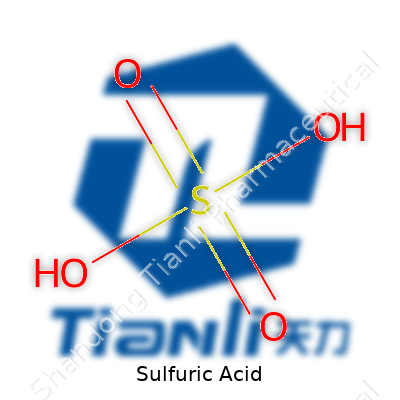
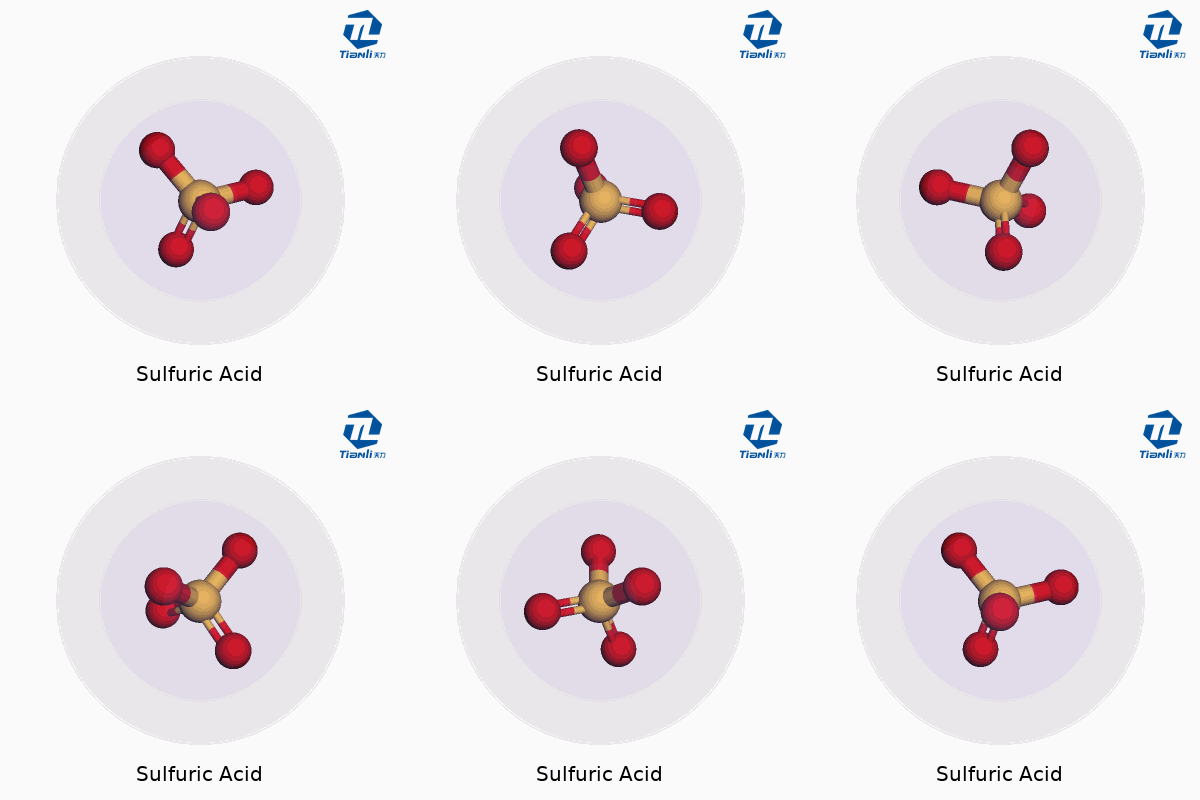
Sulfuric acid’s value comes from its staggering versatility. This colorless, oily liquid, also known as oil of vitriol, stands among the top-produced chemicals. It serves as the foundation for fertilizer manufacture, metal processing, petroleum refining, and pharmaceuticals. From cleaning metals to acting as an electrolyte in car batteries, its impact cuts across economic sectors and household products. Chemically, it is H2SO4, with a strong affinity for water and a penchant for breaking chemical bonds, making it both useful and dangerous.
Physical & Chemical Properties
At room temperature, sulfuric acid appears as a dense, clear to slightly yellow liquid. Its high boiling point, about 337°C, and exceptionally low vapor pressure mean it sticks around rather than evaporate easily. The acid attracts water violently, releasing heat and hissing when mixed. In concentrated form, it chars organic matter and corrodes nearly everything except specialized plastics and high-grade alloys. As a diprotic acid, H2SO4 gives up two protons in solution, enabling strong reactions with a wide array of substances. Industrially, its concentrations often range from dilute (battery acid, about 35%) up to concentrated (over 98%), with the exact grade tightly regulated for safe handling and specific applications.
Technical Specifications & Labeling
Labeling standards for sulfuric acid rest on safety, purity, and intended application. Chemical suppliers and transporters perform stringent quantitative analysis for contaminants like iron, lead, or arsenic, since traces upset catalysts or damage batteries. Shipment containers require corrosion-proof liners, secure closure, and bold hazard pictograms as outlined by the Globally Harmonized System (GHS). Fire-resistance ratings, batch numbers, and preparation date guide traceability and accident response. For end-users, the technical data sheet details molarity, specific gravity, viscosity, and required storage conditions. These steps help guard against confusion, leaks, and unnecessary exposure.
Preparation Method
Modern sulfuric acid plants almost universally follow the contact process. Air blows over a bed of molten sulfur or burns sulfur-rich ores to produce sulfur dioxide gas. Catalysts of vanadium pentoxide accelerate oxidation, turning SO2 into SO3. Engineers carefully control temperature and moisture, since releasing too much heat or adding too much water can cripple the reaction or create dangerous mists. SO3 dissolves in concentrated acid (not straight into water) to avoid a violent splattering reaction, forming what’s called oleum. Oleum mixes back with water to yield the final product in required concentrations. From mining to finished product, each plant tailors these steps to maximize safety and efficiency without fouling the air or putting workers at risk.
Chemical Reactions & Modifications
On the reaction front, sulfuric acid’s strong acidity and oxidizing nature unlock powerful transformations. Dilute acid hydrolyzes salts and decomposes carbonates, while the concentrated form can dehydrate sugars to black carbon. Mixing with nitric acid forms the nitrating mix for explosives and dyes. In the lab, it’s the go-to for sulfonation of aromatics, helping create detergents and plastics. Plant operators routinely modify concentration through distillation and dilution, tailoring blends for batteries, ore leaching, or pH control. Over time, environmental regulations have pushed chemists to design scrubbers and recycled acid streams, cutting pollution and operational costs.
Synonyms & Product Names
Across the chemical industry, sulfuric acid goes by several names. The most common, oil of vitriol, comes from medieval alchemy. Many call it chamber acid or battery acid, depending on use and grade. Other languages reflect similar origins, like acide sulfurique (French) or Schwefelsäure (German). For regulatory filings and international trade, it appears as H2SO4 and carries CAS number 7664-93-9. Suspicion, strict labeling, and training keep these synonyms clear, because confusion here could lead to grave accidents.
Safety & Operational Standards
Working with sulfuric acid means facing corrosive burns, inhalation risk, and potential environmental damage. Gloves, goggles, face shields, and chemical-resistant aprons stand as daily armor for those handling containers, valves, or spill cleanup. Facilities need ventilation, acid-resistant flooring, and emergency showers. Standard operating procedures direct every transfer and neutralization, with workers drilled in first aid and spill response. Chemical accidents cost lives and jobs, so companies follow OSHA directives and local regulations to the letter. Proper training and equipment cut the odds of injury, long-term health problems, and environmental cleanups.
Application Area
Fertilizer production soaks up more sulfuric acid than any other single use. Transforming rock phosphate into superphosphate fertilizer keeps global agriculture productive. In the auto sector, battery makers rely on sulfuric acid’s conductivity and stability. Copper and zinc mines count on it for stripping metal from ore. Refineries use it to wash gasoline and remove impurities. Wastewater treatment plants count on its acidity to neutralize basic contaminants. Paper mills, pharmaceutical labs, and chemical recyclers all keep barrels on hand. Change a single production standard, and farmers, factories, and municipalities feel the difference quickly.
Research & Development
Chemists and engineers continue to search for smarter, safer processes around sulfuric acid. Novel catalysts cut greenhouse emissions and improve yields. Digital monitoring helps prevent overflows and detects leaks in real time. Some research explores recovering sulfur from industrial waste as a feedstock, inching closer to a circular economy. In the laboratory, advances in microreactor design mean more control in high-acidity environments. Collaboration between academia and industry pushes the boundaries, from materials that resist corrosion better to cleaner, closed-loop production cycles. These developments promise higher productivity with lower environmental risks.
Toxicity Research
Sulfuric acid’s impact on health and the environment cannot be overlooked. Even brief skin contact causes deep burns, and inhaled vapors can scar the lungs for life. The acid’s reactive nature means accidental releases lead to toxic metal leaching, soil burns, and fish kills if runoff escapes containment. Ongoing studies measure chronic exposure in factory workers, showing respiratory disease and increased cancer risk over decades. Governments responded with stricter workplace air limits and reporting mandates. Researchers work with first responders to refine antidotes and isolation procedures, aiming to save lives without disrupting critical chemistry.
Future Prospects
Sulfuric acid production seems unlikely to decline soon. Population growth and changing diets keep the demand for fertilizer ticking upward. As batteries shift from lead to lithium, new processing methods and end-of-life recycling will require acid handling with tighter controls. Emerging green technologies seek lower-emission production, using renewable energy for high-temperature reactors and byproducts capture. Regulatory scrutiny continues to rise, especially in fast-growing economies. Smart sensors and robotics reduce direct human handling, lessening the risk of injury. Each year brings fresh research, from high-selectivity catalysts to bioengineered processes. Those who adapt and follow safety lessons of the past will shape how sulfuric acid supports food, energy, and smart manufacturing in the decades ahead.
Sulfuric Acid in Everyday Life
Sulfuric acid plays a huge role in daily life though most folks rarely see it directly. Its biggest job is in fertilizer production. Agriculture relies on ammonium phosphate fertilizers, and sulfuric acid makes that possible by breaking down phosphate rock. In my own family’s farm roots, every good crop year owed something to fertilizers that started in a chemical plant, churning out sulfuric acid by the ton. Food production at scale couldn’t keep up with demand if farmers worldwide had to work without these fertilizers.
The Backbone of Modern Industry
Factories use sulfuric acid in manufacturing countless goods. One major area is petroleum refining. Gasoline, diesel, and even jet fuel owe some of their quality to sulfuric acid, which helps strip out impurities during refining processes. In some towns where there’s an oil refinery, the acid trucks rumble in and out all day long. Without sulfuric acid, running cars and planes wouldn’t be as easy or as clean.
Mining operations also count on it, especially in the extraction of metals like copper and uranium. Sulfuric acid helps leach metals out of ores, which makes a difference in electronics and construction. Our smartphones, the wiring in our homes, the wind turbines we hope will help fight warming—all of these need copper harvested efficiently.
Cleaning and Maintenance
No household wants to see sulfuric acid under their sink, but the chemical keeps busy behind the scenes. Municipal water plants use it to treat water, adjust pH, and stop corrosion in pipes. Cities with old plumbing sometimes need sulfuric acid to keep water drinkable and safe. This goes for sewage plants, too, where it’s involved in neutralizing waste before release, keeping rivers and lakes cleaner.
The lead-acid batteries under the hood of many cars count on sulfuric acid as their power source. Battery acid delivers the juice to start engines or store energy for emergencies. Electric vehicles use different tech, but millions of cars, tractors, and backup systems still rely on that sulfuric mix.
Sulfuric Acid’s Place in Chemicals and Medicines
Chemical plants use sulfuric acid to make a wide range of products, including paints, dyes, explosives, detergents, and even synthetic fibers. It’s a starting point for the production of many other acids and everyday chemicals. In the lab, any student who’s mixed chemicals has probably worked with it.
The pharmaceutical industry taps sulfuric acid for both cleaning and in the production of certain medicines. Most pharmaceutical factories invest in strict handling to keep workers safe, but the acid’s strong reactivity lets manufacturers create medicines that fight infections or ease chronic pain.
Managing Risks and Looking Ahead
Handling sulfuric acid brings safety challenges as it’s highly corrosive and will burn skin, eyes, and clothing in an instant. All those worker safety posters, glove rules, and safety goggles at industrial sites exist for a reason. Training, better storage containers, and quick neutralization help avoid serious injuries or accidents.
The scale of sulfuric acid’s use highlights a need for sustainability. Recycling lead-acid batteries and cutting waste in fertilizer use matter more than ever as populations rise and environmental concerns grow. Companies have started capturing and reusing acid in closed systems for cleaner footprints. Innovations in green technology hold promise, but sulfuric acid isn’t leaving the industrial scene any time soon.
Everyday Dangers in the Industrial World
Sulfuric acid flows through factories and labs across the world. Science teachers warn students about its power to eat through almost anything. It shows up in car batteries, fertilizer, pollution control, mining, and chemical making. Plenty of people forget just how dangerous it gets without careful planning. One wrong move can end with melted containers, toxic clouds, or ruined equipment.
Why Strong Materials Matter Every Day
Storing sulfuric acid never comes down to guesswork. Plastic containers don’t cut it for concentrated forms. Strong acid sticks with steel in ways you won’t like, so stainless steel grades such as 316L perform much better. Engineers often pick carbon steel for acids over 90 percent because a protective iron sulfate layer slows down corrosion. Go below about 80 percent acid, and the story changes: metal containers break down fast, so high-density polyethylene (HDPE) shows its value.
Through years of working around chemical plants, I watched maintenance teams pull out melted gaskets and ruined pipes after sloppy storage decisions. A misplaced drum of acid next to a steel beam almost always meant hidden leaks waiting to surprise the night shift.
Temperature and Ventilation: Details Nobody Ignores
Sulfuric acid handles heat in strange ways. Get it too hot or mix it with water poorly, rapid expansion or violent boiling can follow. Facilities use insulated tanks away from sunlight to keep things cool and stable. Ventilation plays a sneaky but crucial role—acid vapor, especially in older buildings, travels farther than most people imagine. Without reliable exhaust fans or scrubbers, chemical clouds turn up in places nobody expects, threatening lungs and eyes.
Spill Response: Thinking Ahead, Not Just Cleaning Up
Spills land faster than anyone plans. Acid-proof floors and curbed tanks give crews time to act. Emergency showers and neutralization kits sit just as close as eye-wash stations. I remember drills where seconds counted—one engineer slipped on a nearly invisible droplet, his boot hissing before he noticed. Quick flushing and training turned a disaster into a lesson worth talking about.
Labels, Paperwork, and Training—No Shortcuts Here
Neglecting basics—skipping a label or letting paperwork slide—almost always creates problems. Standard labels reading "DANGER: SULFURIC ACID" save time during emergencies. Clear records tell you what strength lives inside each tank. Good companies keep updated sheets with first-aid tips, spill response steps, and contact info right on hand.
Training sessions don’t just tick boxes—they show new hires where mistakes really happen. Real examples stick better than dry rulebooks. After witnessing a close call, nothing gets forgotten: acid-resistant gloves and goggles take less effort than a hospital trip.
Never Store Alone or Cut Corners
Mixing sulfuric acid containers with flammables or organic chemicals often triggers unwanted reactions. Separate storage zones and locked doors keep surprises away. I once watched contractors try to save space by lining acids next to bleach—luckily, a veteran worker spotted the risk before fumes took over. Small choices like secondary containment trays or outdoor tanks raise the overall safety of any workplace.
Technology and Constant Vigilance
Sensors, alarms, and remote monitors now add new layers of protection. Yet nothing replaces the watchful eyes and clear policies of people who respect what sulfuric acid can do. After years around dangerous liquids, you learn the real cost of a shortcut—safety always wins, because one mistake can undo months without an accident.
Respect the Risk in Every Step
Sulfuric acid doesn’t mess around. I still remember seeing a tiny drop land on a lab bench in high school chemistry. The wood fizzled and pitted in seconds—and the lesson was clear: treat this chemical with unwavering caution. Accidents with sulfuric acid can cause chemical burns, permanent eye damage, and serious respiratory harm. Laboratories, industrial plants, and even garages working on car batteries need to take the threat seriously, not just check a box for compliance.
Personal Protective Equipment Comes First
Real safety starts before the lid even comes off the bottle. No one should ever handle sulfuric acid without sturdy gloves—rubber or neoprene, never thin latex. Eyes need solid coverage from splash-proof goggles, not just cheap safety glasses. A face shield ups the protection. Cotton lab coats or aprons, acid-resistant at the sleeves, build another layer between skin and disaster. Shoes should cover the whole foot—leave sandals far from the work area. Forgetting any part of this gear invites trouble nobody wants.
Don’t Cut Corners on Ventilation
A whiff of sulfuric acid fumes corrodes more than just metal or wood. Breathing those vapors irritates airways and can trigger asthma attacks. Work in a chemical fume hood or a well-ventilated room. If the job involves concentrated acid or heating, bump up the ventilation and keep exposure as close to zero as possible. Inhalation damage often takes time to show, but by then, it’s too late to reverse it.
Slow and Steady With Mixing
Every instructor hammers home the same rule: Always add acid to water, never the other way around. The reason comes down to violent heat. Water thrown into acid can boil instantly, spitting hot liquid everywhere. Stir gently and pour the acid in a thin stream, keeping the container stable and your mind on the process. This isn’t just a lab mantra—it’s a life-saving detail that has probably kept more folks out of the hospital than any other chemistry tip.
Spill Response Plans Aren’t Optional
Spills become ugly fast. Neutralizing powder, like sodium bicarbonate, should live close to the acid, not in a forgotten cabinet. I’ve watched routines where teams grab the neutralizer, douse the spill, and wipe up the mess quickly, without confusion. That’s no accident. Emergency showers and eye wash stations near work areas can mean the difference between discomfort and permanent injury. Each second counts in a real accident, so practice using this equipment in advance.
Training Matters More Than Labels
Labels and hazard symbols help, but training gets the job done right. Everyone handling sulfuric acid should know what to do in a crisis—where the nearest running water is, how to neutralize a spill, and who to call for help if something goes wrong. The real-world experience of a dedicated supervisor or peer helps fill gaps left by pamphlets and posters. People pay attention when they hear stories of close calls and real injuries.
Proper Storage Rounds Out Safety
A quick glance at storage can reveal a lot about how seriously a facility takes corrosion risks. Acid sits upright, tightly capped, in acid-resistant trays. It lives away from bases, organics, and metals—never next to flammables. Temperature swings or sunlight weaken containers over time, so cool, stable spots work best. Inspections of containers and shelves keep tiny leaks from turning into showers of acid.
Experience Teaches Caution
I’ve handled sulfuric acid for years, but my approach stays the same as day one: gear up, slow down, don’t assume anything. Every step is an opportunity for either safety or regret. It’s not about fear—it’s about respecting the acid, learning from experience, and keeping safety practical and human.
Everyday Questions Behind a Bulk Chemical Purchase
Sulfuric acid turns up everywhere you look in industry. From car batteries to fertilizer production, its power and danger shape the way manufacturers and engineers think. The question about what concentration gets delivered isn't academic — it connects straight to real issues like safety, storage, and dollars spent. Plenty of workers, myself included, have seen the confusion on loading docks or in the lab when a barrel shows up without the right paperwork, or when someone assumes all "sulfuric acid" works the same way.
Standard Concentrations: Why 98% Matters
Commercial suppliers stick close to 98% sulfuric acid for a reason. This concentration gives a strong acid without so much water that it weakens chemical reactions. It’s the grade most factories want, both because it works for the majority of tasks and because it's stable for transport. At this level, you get a dense, oily liquid that chews through metals and organic matter with ease. Once you drop far below 98%, the acid loses its punch and new storage risks turn up. Higher grades above 98% (sometimes called fuming sulfuric or oleum) tend to release toxic vapors and ask for extra specialized handling, which sends costs sky-high.
I learned early on to check the label carefully, and not just trust what’s been ordered. During a summer job at a plating shop, a shipment arrived at 70% strength. Nobody caught the difference until someone tried to repeat a cleaning process and the outcome fell short. Mistakes cost time and sometimes wreck expensive parts. A 98% drum will behave one way; a more diluted batch, quite another.
Risks Lurking in Misunderstood Concentrations
Handling sulfuric acid gets dangerous fast if the wrong grade hits the plant floor. More water in the acid means bigger risks of splashing and erupting when mixing; more concentrated acid bites deeper into skin and lungs if an accident happens. Suppliers should spell out what’s inside every barrel, but in the rush of work that's sometimes missed. In my experience, haze or odor near storage tanks means it’s time to double-check, and a misread label is as dangerous as a broken valve.
There’s a legal side to this too. Many regions enforce strict controls on how sulfuric acid gets sold, tracked, and stored. High-concentration acid counts as a hazardous material. Failing to document exactly which grade came through the door can trigger fines or shutdowns during inspections. Companies who take shortcuts to save a few dollars on weaker acid often pay much more fixing corroded equipment or cleaning up spills.
How to Clear Up the Confusion
Direct questions serve best. Ask suppliers for paperwork showing both strength and weight. Simple on-site tests — such as a quick specific gravity check — let anyone confirm what they received without fancy tools. Training helps too: every worker should know 98% isn’t just a standard, but the expected baseline unless the job calls for something different.
Anyone handling sulfuric acid should ask what’s actually in the drum before opening it. The difference between 98% and a lower concentration spells the difference between a routine job and an emergency call to the safety team.
Understanding the Dangers
Sulfuric acid brings a lot of value across industries—think cars, batteries, fertilizers, mining. But a single mistake with this chemical can leave people burned, air poisoned, soil ruined, and water unsafe. I’ve walked through workplaces where you can smell the caution in the air around every drum. Knowing the risk changes how you look at each container and every hose.
Immediate Response – It’s All About Speed and Training
When sulfuric acid spills, forget signing off paperwork or calling a slow council meeting. The right people need to move. PPE saves hands and eyes; real training saves lives. I’ve seen workers freeze up, not out of laziness, but because the consequences are dire, and drills ran in the past faded from memory. People relate to hands-on practice—not just a checklist on a wall. Local emergency contacts must live in workers’ phones, not on a forgotten sticker. Good gear—gloves, goggles, face shields—must hang where people can actually grab it as they sprint in panic, not behind a locked cabinet.
Containment: Keeping a Bad Situation from Getting Worse
Acid hits the ground, and every second counts. Trenches, absorbents, neutralizing agents—they make all the difference. In places where I’ve seen spills, someone always knows exactly where the lime or soda ash sits. But mistakes happen when workers guess about amounts or pour too quickly. A clear plan, short and tested on the floor itself, beats a fat binder written in an office. Companies that sketch out their plant floor with likely spill spots, and stow supplies close—usually see less acid running off-site.
Managing Cleanup for People and the Environment
Most folks don’t realize how fast sulfuric acid kills plants or how far it can travel if water carries it away. Once, after a small spill in a shop I visited, the next rainstorm sent acidic runoff into a storm drain. The fix? Nearby businesses started sealing drains automatically during risky transfers. It sounds simple, but without that heads-up, costly soil and water remediation rolls in. Cleanup crews worth their pay wear monitors and respect boundaries—they don’t guess if the air is safe.
Prevention: Smart Design, Daily Care
Watching seasoned operators, I notice they never trust a tank just because it’s new or a hose because it looks sturdy. Simple things like double-walled tanks, spill trays, pressure gauges, and secondary containment channels stop headaches before they start. I’ve seen bulk deliveries halted midway just because something felt “off”—a wise instinct fueled by culture, not corporate policy posters. Annual drills should resemble live chaos, not polite meetings. Mixing up scenarios, throwing a curveball or two, teaches muscle memory that no formal sign-off can.
Solutions Rooted in Real Conditions
Talking to first responders and old-school plant managers taught me to value local knowledge above copy-paste rules. Soil type, nearby waterways, weather—all change how sulfuric acid will behave. Written procedures should fit each facility. If workers see that leadership values their eyes, their skin, and their experience, compliance follows naturally. One manager invested in phone-based emergency checklists, updating them regularly based on minor incidents—small fixes matter. Community right-to-know programs let neighbors stay informed and calm, cutting panic and rumor in a crisis.
Trust, Experience, and Respect
Real safety grows out of regular practice, honest reporting, and respect for the chemical’s bite. Those who handle sulfuric acid each day want to go home in one piece. Learning from incidents—sharing stories, not hiding mistakes—makes everyone sharper and safer. Every step, from handling a barrel to cleaning a stain, stays important.