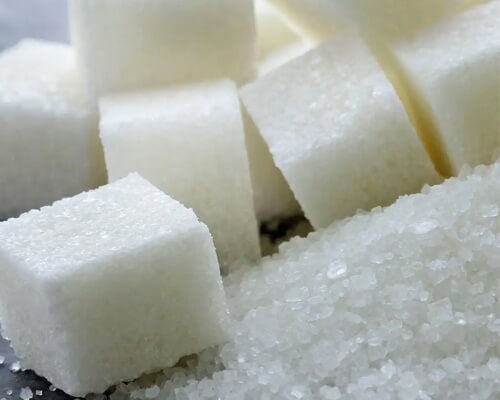
Shandong Tianli Pharmaceutical: High-purity sorbitol empowers applications in multiple fields.

In my own work years ago inside a bakery supply chain, a simple thing like ingredient purity often meant the difference between bars that went stale or those that stayed fresh for weeks. With high-purity sorbitol from Shandong Tianli Pharmaceutical, food producers sidestep headaches caused by moisture issues, gritty texture, or off-flavors. The company puts out a product meeting some of the strictest standards, which directly helps those baking soft candies, sugar-free gum, or moist cakes keep a consistent bite. Sorbitol draws and holds water just right, so baked goods stay softer longer, and confections avoid crystallization. I’ve seen formulators stretch shelf life this way without packing in extra chemicals. One customer thanked us personally for avoiding returns from melted candies. Purity here isn’t just a lab figure; it keeps factories moving and complaints down.Those working in pharmaceutical manufacturing know regulating authorities do not budge when it comes to ingredient quality. High-purity sorbitol forms the backbone for sugar-free syrups, vitamin tablets, and oral solutions. Shandong Tianli’s batches pass multiple drawn-out quality checks, which means pharmacists spend less time kicking back shipments and more time focusing on new product development. For those living with diabetes, these syrups turn daily medication routines into a less stressful task. Sorbitol supports taste masking without spiking blood sugar, so more people stick with their treatments. Years ago, I watched as a hospital supplier’s move to a more consistent source reduced patient complaints about bitter aftertastes and gritty suspensions almost overnight. In medicine, these improvements ripple out to caregivers and patients alike.Cosmetic chemists often wrestle with texture. The texture wins or loses customer loyalty just as much as fragrance or color. High-purity sorbitol from Shandong Tianli lends clarity and silkiness to creams and lotions and boosts water retention in gels. Routine batches from this maker deliver repeatable results. The personal care team I once advised managed to halve their failed batch rate by locking in a pure sorbitol source. Sticking with suppliers who care about trace elements and proper filtration meant not having to scramble before holiday launches or push out recalls. Small choices like this protect writers, marketers, and everyday users from the domino effect caused by poor ingredient sourcing.Global supply networks depend on reliability, especially for food-grade ingredients. Shandong Tianli’s name comes up often at international expos because the company works past government standards set in Europe, North America, and parts of Asia. These standards aren’t just checkboxes; companies importing ingredients into developed markets deal with intense audits. Gaps in sorbitol purity or contamination can drag down entire production lines. In my own export experience, meeting each country’s microbial and heavy metal specs turned into marathon paperwork unless we chose partners with clean compliance records. Firms like Shandong Tianli save months and help importers cut down on costly delays, all while keeping the trust of supermarkets and medical groups.Sustainability now shapes most purchasing decisions. Companies want greener solutions but don’t want to risk recalls or erratic batch quality. Shandong Tianli follows a low-waste manufacturing process, which matters upstream and down. Years spent consulting manufacturers taught me how much waste treatment and effluent management shape costs—not to mention a brand’s reputation. With fewer solvents used and cleaner water leaving the factory, the footprint shrinks at a time when every step counts. Customers can share transparent sourcing stories, boosting consumer confidence with real facts about reduced chemical use and improved waste handling.One area open for more growth involves expanding access for smaller food labs, compounding pharmacies, and independent beauty startups. While large manufacturers enjoy volume pricing and reliable shipments, smaller players fight harder for allocations of high-purity grade sorbitol. Building more regional distribution points and cutting minimum order sizes would fuel more local innovation. Clear labeling, shared testing data, and open channels for buyer feedback help smaller firms pool resources or plan effective crowdfunding for ingredient upgrades. In the end, this can create more quality products on store shelves, all rooted in a commitment to clean, consistent raw materials.The bar for ingredient quality keeps rising, not just because of regulators, but because customers notice the difference in products that last, taste, and feel better. Shandong Tianli Pharmaceutical stands out by delivering high-purity sorbitol to many fields, keeping foods fresher, medicines more palatable, and cosmetic textures on target. By maintaining steady output, environmental responsibility, and working with all company sizes, the company helps set a higher standard that benefits everyone down the line. That’s real progress for buyers, consumers, and the wider world.
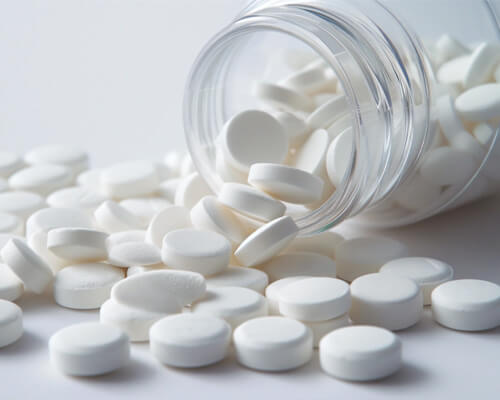

Shandong Tianli Pharmaceutical's Calcium Ascorbate: Optimal Raw Material for Dual Supplementation of Vitamin C and Calcium

Many folks get tangled in endless choices at the pharmacy, aiming to boost their health with pills and powders. A cluttered shelf promises stronger bones, glowing skin, better immunity, and fewer colds. But only a handful of these options pull their weight when it comes to daily nutrition. Shandong Tianli Pharmaceutical’s calcium ascorbate stands out with an approach that hits two birds with one stone. As someone juggling family meals and my own health, I’ve watched my parents and kids try to land enough vitamin C and calcium from their usual diets. Finding both nutrients crammed into one tablet simplifies the daily routine. Too much choice can complicate the journey to better health. When a product streamlines that path and stays safe, it deserves a hard look.Living in a busy neighborhood with a tight schedule, I’ve noticed that balanced diets come as a luxury for most working people. Fruit and vegetable intakes rarely cover recommended vitamin C needs, especially in colder months. Dairy avoidance or plain dislike keep many from adequate calcium. At the same time, research flags both nutrients as critical. Vitamin C supports immune function and helps with iron absorption. It’s also a key step for collagen, which keeps skin healthy and bones sturdy. Lack of calcium signals weaker bones or even long-term risks like osteoporosis. The World Health Organization points out that vitamin C deficiency poses risks in many countries, with calcium following closely behind among aging populations. In my decade of checking local health stats and talking to nutritionists who serve varied communities, I hear the same refrain: people miss out on one, often both.Doctors I trust keep coming back to the science: taking vitamin C with calcium doesn’t just save time, it often improves absorption. Calcium ascorbate, the compound you’ll find in Tianli’s product, combines these essential nutrients at the molecular level, making it easier for the body to use. Compared with popping two pills at different times, grabbing both at once improves compliance—especially for older people, kids, and anyone who struggles with complex medication routines. Data from multiple peer-reviewed studies show that vitamin C as ascorbate form, rather than plain ascorbic acid, carries a gentler profile for sensitive stomachs. Calcium in this form proves easier on digestion, with less chance of upsetting the gut than traditional calcium carbonate or citrate supplements. That detail alone matters to people on restricted diets or managing conditions that make absorption tricky. I’m skeptical by nature and read labels with a microscope. Shandong Tianli Pharmaceutical grabs attention because it passes rigorous global quality audits and transparent manufacturing processes. From years spent working with community health programs, I’ve seen first-hand how much damage tainted raw materials or mislabeling can do. Trust builds when a company stands behind its sourcing and openly complies with cross-border regulatory standards. Tianli’s calcium ascorbate wins support from export partners across Europe and North America, in part because independent auditors check purity and traceability through each production stage. These steps don’t just fit regulatory hurdles; they protect families counting on safe nutrition. Health supplements gain little value without ironclad controls. Responsible companies design their systems to catch problems before they ever reach a bottle in your hand.Raising two kids on a limited budget sharpened my awareness of supplement prices. Many families can only afford so much, and cutting corners isn’t worth the gamble where health is concerned. Dual-action supplements like calcium ascorbate reduce the need for two separate bottles. That cuts costs for both buyers and pharmacies, shrinking packaging waste on top of everything else. My experience with local community health fairs backs what research shows: The lowest-priced options draw the biggest crowds, but products like Tianli’s offer real long-term value that makes them more than a short-term deal. Combining key nutrients—without unnecessary fillers or additives—means a more focused investment and fewer trips back to the store for something you forgot to pick up.Over years of volunteering in community health clinics and researching trends in self-care, I’ve learned the public craves more than marketing talk. They want proof that what goes inside their body stands up in scientific trials, and that the people making those supplements answer questions openly. Listen long enough to elderly residents comparing aches and joint pain, or to new parents wondering which vitamin bottle actually pays off, you learn that time, trust, and evidence matter above all. Tianli stands out by involving both researchers and real users when refining its formulations, letting customer feedback nudge continuous improvement. Evidence from regular consumer safety reviews and published studies builds a bridge between lab results and lived experience.Anyone who’s dined in different parts of China knows tastes and traditions vary wildly. Urban lifestyles shift away from traditional home-cooked, vegetable-heavy meals. Convenience prevails, but not always with enough nutrition. I remember family trips back to rural hometowns, where meals brimmed with fresh greens and fish. Back in cities, busy schedules and pricey produce mean gaps in vitamin and mineral intake widen. Calcium ascorbate, as Tianli delivers it, fits diverse diets—whether someone skips milk for lactose intolerance or picks fruit only occasionally. Its stability in different conditions means it works both for supplement makers and end users who may not store products in ideal conditions. The end result is reliability for Chinese families and for export customers facing their own dietary quirks.Seeing nutrient gaps widen as life grows faster, it feels shortsighted to ignore the role of thoughtfully engineered dual supplements. While more education around wholesome eating stays crucial, the reality from years in community outreach is that supplements often mark the difference between thriving and merely getting by. Tianli’s calcium ascorbate doesn’t promise a miracle, and that honesty alone carries weight during a time of health fads. As new research unfolds, strongest results tend to come from well-absorbed, bioavailable nutrients delivered in forms people can use without discomfort or confusion. My own experience—as a parent, volunteer, and careful health consumer—reminds me that solutions blending science, safety, and simplicity deserve a place on every family’s kitchen shelf.

GMP Certification! Shandong Tianli Pharmaceutical's Mannitol Meets Both Pharmaceutical and Food Standards

It’s rare to hear about a company that manages to tick all the right boxes both for pharmaceutical and food manufacturing. When Shandong Tianli Pharmaceutical achieved GMP certification for its mannitol and showed compliance with both drug and food standards, the news caught my attention. I’ve spent years watching how lapses in production standards can make or break trust in any market that impacts our daily lives—especially when it comes to what we take as medicine and what we eat off the shelf. GMP certification, for those who have walked through production plants, signals much more than just a stamp of approval. It means every batch coming out of that factory refuses to cut corners, meets strong regulatory rules, and respects consumer safety—a promise supported by real investment and ongoing care. So, when a single ingredient like mannitol clears the bar for both pharmaceutical and food use, it raises the bar on what we should all expect.A lot of people see GMP certification as an industry term buried on a technical data sheet, but its impact reaches much further. In my own visits to both big and small manufacturers, the difference between companies following GMP rules and those dodging them never fails to show up in the final product. GMP covers more than just cleanliness; it covers traceability, staff training, documentation, and ongoing inspections. At the consumer end, this means risks tied to contaminated or fake products fall sharply. For an excipient like mannitol—used in everything from chewable tablets to sugar-free snacks—this peace of mind matters, especially for vulnerable groups like kids and folks with chronic illnesses. News stories about contamination or fraud don’t break out of nowhere; they track back to companies that skipped strict standards.It surprises many that ingredients like mannitol bridge the gap between what we swallow as a pill and what we eat as a sweetener. In my experience, most people never realize how one wrong move can put both industries at risk. A few years ago, a widely-used sweetener landed in a recall after tests found it wasn’t up to medical-grade quality. Innocent shoppers who thought they were just picking a “healthier” snack ended up returning products in droves, with some experiencing negative effects from impurities. That episode left a scar and forced regulators to push for stronger controls. Having mannitol pass both sets of standards means one less reason to worry about unlisted chemicals, tainted batches, or unstable supply. I’ve spoken to food technologists and pharmacists who both agree: common ground in standards means smoother production, safer products, and less confusion for buyers.One thing I’ve learned talking to industry insiders is that transparency stays at the heart of safe production. GMP calls for real records, clear sourcing details, and proof for every ingredient that enters or leaves a plant. That’s not just paper pushing; it’s what keeps bad actors from sneaking in sub-par materials. Shandong Tianli Pharmaceutical’s approach goes a step further than just passing a test—it proves ongoing commitment. This sort of open record-keeping gives regulators and customers a trail they can check and trust. I’ve sat with quality control professionals as they trace a complaint from a batch number all the way back to the raw ingredient shipment. No shortcuts, no missing pages, just real accountability. Cross-standard mannitol means this protection now covers two massive industries at once.Safer, more reliable ingredients open doors for research and product development. Watching pharmaceutical teams work, I noticed they spend huge amounts of time double-checking ingredient safety and compliance. Knowing an ingredient like mannitol comes from a GMP-certified line clears an invisible roadblock for new ideas—be it a dissolvable pill or a throat lozenge. In food labs, technologists look for sweeteners that won’t react badly or break down under real-world conditions. When suppliers guarantee rigorous quality, smaller producers with tight resources can develop new products without hiring extra inspectors or risking a costly recall. In the long run, this encourages smarter, healthier snacks and treatments that reach store shelves faster and safer.No piece of paper, regardless of how official it looks, should be the final word on safety. In my own rounds of factory visits, I still see gaps: overwhelmed inspectors, labs with outdated gear, and standards that keep changing or clashing across regions. China’s pharmaceutical sector, like others worldwide, struggles sometimes with keeping both the letter and spirit of the rules. The best companies invest in regular staff training, honest audits, and staying ahead of new threats. One area that needs real work is public reporting. More open access to audit results, incident logs, and ingredient test scores would let everyone—from bulk buyers to the end shopper—see for themselves how a product measures up. Shandong Tianli’s achievement should push peers to go beyond “bare minimum” compliance and toward real, ongoing improvement.For every shopper reading a nutrition label or pharmacist consulting with a patient, the story behind what’s inside matters more than ever. Having mannitol that passes both pharma and food checks connects the dots between safer products and honest supply chains. From my own work tracking ingredient recalls, I know how much faith is lost when companies cut corners. GMP certification doesn’t just guard against catastrophic events like mass recalls or poisonings—it builds a culture where safe, well-made products are the rule, not the exception. The challenge for all of us, whether inside the industry or outside, comes in keeping the pressure on for higher standards, greater transparency, and smarter oversight.

Highly Active Ascorbic Acid: A Core Choice for Healthy Raw Materials

Most people know ascorbic acid as vitamin C, a must-have for good health. I remember growing up with a mother who put vitamin C tablets in my lunchbox, especially before winter set in. Later in life, as I read ingredient lists for both food and skin products, I kept seeing ascorbic acid show up everywhere. Over time, I realized not all ascorbic acid delivers the same punch. Highly active ascorbic acid comes into play for professionals who care about quality, stability, and real impact, whether for supplements, functional foods, or personal care. Watching how some products improved my own energy and immune levels while others did nothing made me start paying close attention to source and form.Not every batch of ascorbic acid keeps its strength over time. Exposure to air, light, or moisture knocks the life out of it, leading to lower levels when it lands in your body or your food. I’ve seen supplement labels claiming a certain milligram count, but tests later reveal less than half remains when you open the bottle. Highly active ascorbic acid stands apart from common ingredients that break down before leaving the factory. This matters when the goal goes beyond ticking boxes for regulatory claims and shifts toward genuine health protection. If your orange juice, supplements, or topical creams fail to deliver, the whole effort falls flat, impacting the trust people hold in brands and even science itself.From experience, taking vitamin C in its raw, unstable form doesn’t do much. Most of it washes through before my body uses it. Highly active forms ensure more reaches the bloodstream, and the effects are clear—faster recovery, better immune response, and even brighter skin after late nights. Formulators in the supplement and beauty industries know this challenge. Many work hard to secure sources where freshness, potency, and purity stay high from production all the way to the consumer. Transparent testing, short storage periods, and smart wrappers keep the nutrient alive. For anyone serious about wellness, chasing after proven absorption over raw chemical count keeps investments worthwhile.Food manufacturers walk a tough road. They want shelf life, flavor, and the health halo that comes with vitamin C. My own time working with natural food producers showed how cutting corners with lower-grade sources invites product recalls, tasteless bread, or browning fruit. Customers don’t forgive food that spoils fast or labels that overpromise. High activity in ascorbic acid helps keep food fresh and nutrient-rich longer. Backed by frequent testing and visible supply chains, the best companies earn consumer loyalty through real nutrition, not marketing spin. More investment in quality raw ingredients eventually pays off in stronger brands and healthier people.Many health-conscious people, including myself, want to know where ingredients come from. Producers using highly active ascorbic acid open their records to scrutiny, from where the crops grew to how the acid was stabilized. That openness wins over people who buy with both their wallet and values. Faith in raw materials matters in a world where counterfeiters and shady dealers still slip subpar product into supply lines. Strong, verified sourcing standards cut down on risk. I’ve watched communities return to trusted brands because those businesses built a track record of purity and transparency. Long-lasting change in public health often grows from trust seeded by a bare look at what goes into our bodies.Challenges won’t fade by accident. Manufacturers who want to offer the best have to upgrade both machines and know-how. Investing in processes that prevent oxidation, from nitrogen-sealed packaging to specialized storage, makes a direct difference. I have seen some companies team up with local farmers using traceable, pesticide-free harvests, which raises both cost and quality. While it takes money at the start, the payoff in customer loyalty and fewer recalls outweighs short-term savings. Education plays a role, too — people want to see proof, and there’s no substitute for third-party lab tests and simple explanations. I believe better connections between growers, processors, testers, and shops can close the gap between science and trust.Using highly active ascorbic acid doesn’t just help those who pop pills or use specialized serums. Nutrition programs for children and the elderly depend on raw materials that stay effective over time. Widespread use in food fortification, as I have witnessed in school lunch programs, protects at-risk groups from deficiency with no added pills or special effort from families. Environmentally, better preservation of fresh foods thanks to stable vitamin C means less waste—fewer trucks of spoiled produce ending up in dumps, less pressure on farmers to overgrow, and fewer chemical preservatives in circulation. The benefits stretch out from my own kitchen to whole communities, all because one ingredient held onto its power.Consumers have learned to ask tough questions and walk away from vague claims. Highly active ascorbic acid, when sourced ethically and treated with care, supports not just physical health but confidence in an industry that deals directly with personal well-being. I have watched people change buying habits once they saw the difference between lifeless and potent vitamin C, both in how they feel and in how long their groceries last. Trust, science, and honest effort meet at the root of this change, and the companies that step up win more than a share of the market—they earn a place at the table for the long haul.

Shandong Tianli Glucose: High-efficiency energy supplement, suitable for both industrial and medical use.

You often hear about glucose in doctor’s offices, maybe after a blood test, or spot it on nutrition labels. But the story doesn’t end there. I remember touring a factory floor full of humming machines and busy operators, where a supervisor pointed at bags of Tianli’s glucose powder stacked by the loading docks. He said, “This stuff keeps our lines moving just like it keeps people going after surgery.” That’s real versatility. Tianli’s product works for chemistry and biology alike. On one hand, it delivers fast energy for patients recovering after medical procedures. On the other, it powers reactions in everything from fermentation tanks for brewing to high-intensity textile finishing. Big words like “multifunctional” often get tossed around, but here the meaning comes through in visible results—faster recovery for some, more reliable output for others.Decades in the food industry have taught me how ingredients quickly show their quality or shortcomings. So many corners get cut, sometimes out of habit, sometimes to shave costs. Shandong Tianli’s glucose stands out because it stays pure and consistent. The color, texture, solubility—these details matter to line workers sweating over mixers and tanks, and to nurses checking patient drips. Food processors tell me a pure glucose syrup avoids browning or unexpected tastes in candies and baked goods, while hospital nutritionists report fewer reactions and better patient tolerance with clean glucose solutions. I checked the lab analyses against international benchmarks; Tianli’s glucose regularly meets the high bar set by the Chinese and global pharmacopeia. Strict controls during production matter here, because heavy metals, ash content, and microbial counts have to stay well below safety limits for both people and equipment. It’s not just about what’s in the glucose, it’s about what’s left out.Out on hospital wards, nurses count on glucose infusions to stabilize patients coming out of anesthesia or recovering from infections. I still recall visiting an ICU where Tianli’s glucose was chosen because the chief doctor trusted the supplier after years of steady results. The staff pointed out how glucose delivers energy fast, helping patients bounce back when they’re weak or can’t eat. No hospital can afford uncertain suppliers here—one contaminated or off-spec batch could cause real harm. So, the confidence Tianli has established in this sector speaks volumes.Step outside the hospital, and you see another side entirely. I watched a fermentation specialist add glucose from Tianli to large stainless-steel tanks. “Yeast eats this stuff immediately,” he explained. “We get faster starts and better yields.” The consistency—bag after bag—means less need to tweak recipes. Textile finishing teams have their own stories, using glucose to help achieve bright, stable colors. Whether it’s a life in the balance or a factory deadline on the line, this type of reliable energy input pays dividends across fields.Glucose may be a single molecule, but the story behind it is all about trust. Years ago, a mishap with a supplier taught me that “cheap” ingredients can become pricey headaches down the line. Audits, recalls, lost reputation—these risks all loom where traceability falls short. Shandong Tianli stands out because it’s not shy about showing the entire journey from raw corn to finished glucose. I’ve reviewed the trace documents, watched lab checks in action, and seen safety sealing on shipments. Traceability ensures quick responses to any problems, and detailed data helps satisfy both domestic customers and overseas inspectors. Proper documentation makes a difference, especially in the era of cross-border trade where standards shift fast.Large-scale glucose production isn’t only about turning corn into powder. Friends in the green tech sector pointed out how much waste and water used to run through older plants. Tianli committed early to water treatment upgrades that recycle most process water before discharge. They’ve redesigned equipment to collect corn byproducts for animal feed, instead of sending this protein-rich material to landfill. Glucose factories rarely get attention for sustainability, but these changes matter in a province like Shandong, where industry and agriculture compete for limited resources. Having seen the old style of open discharge and smoke, the improvements are obvious on each visit.Markets keep shifting, and Tianli has been smart about riding the waves. After local candy makers and textile mills formed the backbone of business, suppliers started looking at high-end nutrition, pharma, and even sports supplements. I spoke with R&D engineers who described trials with different grain sources, enzymatic pathways, and drying methods—always trying to squeeze out more purity and fewer byproducts. They’ve partnered with food scientists at universities to improve packaging and stability for tropical export markets. Some of this research digs into new medical applications too, especially for low-glycemic blends and slow-release formulations.Global supply chains have grown jumpy in recent years, from COVID-19 disruptions to international trade disputes. Reliable domestic suppliers with safe, proven ingredients keep food and drug factories moving. Tianli’s commitment to stable output and rigorous quality marks a path that others could follow. Companies like this become the backbone for all the manufacturers downstream—so long as their focus on innovating, documenting, and investing in cleaner production stays on track.In today’s world, cross-sector ingredients like glucose from Shandong Tianli hold a place few people truly notice—until a batch goes wrong, or a process misses a beat. From what I’ve seen, building a reputation takes boring consistency, careful handling, clear communication, and sometimes a willingness to go further than minimum legal requirements. That blueprint supports everyone—hospital staff watching over frail patients, engineers chasing precise output, regulators making sure consumers get safe products. The lessons from Tianli’s glucose business echo throughout the wider supply network: know your process, invest in the best people and tools, and always be ready for the next test, whether it comes from the clinic or the global market.

Tianli Pharmaceutical Compound Fertilizer: Ecological Enhancement and Support for Green Agriculture

Plains of green wheat, thriving citrus groves, tower over the fields in my hometown. These sights always linked back to what the farmers placed in the earth. Regular bags of fertilizer came and went, cutting corners on quality or promising miracles that never came. Neighbors spoke of burnt roots and vanishing yields. That trust between the soil and the farmer suffered. Now, with Tianli Pharmaceutical entering the field of compound fertilizers, the conversation shifts. The product isn't just NPK in a bag—it's a mix designed to promote stronger roots, balanced nutrition uptake, and microorganisms that stand sentinel against pests and drought stress.Soil health gets lost in the rush of planting and harvesting. Over the years, the plot behind my uncle’s house grew weaker, needing more inputs and delivering less. Excess chemical use made the land crusty and hard, runoff laying down algae in nearby rivers. What Tianli brings is a formula proven by field tests to curb those ripple effects. By providing crops with steady and balanced nutrients, these fertilizers cut down on leaching and runoff. The soil holds moisture better. Roots dig deeper, holding earth together in torrential rains. It doesn't take miles of research to notice fewer weeds and stronger color in the crops. Adding natural mineral and bioactive ingredients, the approach matches what generations of farmers learned before chemical companies grabbed the megaphone: treat your land with respect, and it gives back.The conversation about what washes from fields into rivers isn't just academic. In village meetings, parents worry about the rising cost of filtering water, seeing headlines that blame farming for poison seeping into wells. Tianli Pharmaceutical addresses these worries head-on, providing clear data: crop test plots using their compound fertilizer show nitrate reduction in runoff and higher soil organic matter. That means not only safer groundwater, but also fewer worries about long-term cancer risks across rural families. Every parent wants food their children can eat straight from the garden. By switching to a less intrusive, more bioavailable fertilizer technology, the risk of toxic buildup shrinks. No farmer ever wanted to poison the well for a bigger tomato. Companies need to meet these moral expectations, not just push paper guarantees.Farmers in the region watch each yuan, balancing what they spend against what the land grows. For years the pressure to produce led to neglected field margins, monocultures, and quick fixes that left land exhausted. Key findings in Tianli’s research point out that by using compound fertilizer with a controlled nutrient-release profile, yield growth happens without a spike in synthetic input levels. I’ve seen the benefits—less splitting in fruit, deeper grain for wheat, better stand resilience in summer storms. Facing uncertain weather from climate shifts, crop reliability matters more than ever. Science confirms this approach. Analysis from independent labs demonstrates Tianli's fertilizer cuts fertilizer use by up to twenty percent while lifting average yields. That improves farmer profit and lowers exposure to volatile chemical market swings. It also leaves more room to plant flowering margins that bring bees—a small but important move for ecological resilience.In my district, most family plots stay small. They can’t absorb losses the way corporate farms do. Technical support often skips their doors. What sets Tianli apart is a push to partner with co-ops, extension agents, and local governments, backing up their fertilizer bags with hands-on advice. People look to neighbors more than internet videos for new ideas. Demonstrations and simple, farmer-tested guides break through suspicion. For someone like my cousin, whose family stuck to traditional manure for years, real results open the door to new practices. Reports from pilot fields show stronger early growth, lower disease rates, and more consistent harvests using Tianli’s compound fertilizer. Education and transparency here matter as much as the label on the bag.Every time I visit home now, I see the changes spreading—marsh grasses returning where chemicals once dominated, frogs and birds filtering back. Community trust forms around shared knowledge, not just promises. Tianli’s fertilizer includes organic carbon and beneficial microorganisms, so the land recovers faster and supports wildlife. Less reliance on synthetic pesticides results from stronger, healthier plants, leading to fewer emergency sprays after heavy rain or pest attack. Over time, regenerative practices supported by companies like Tianli become the norm, not the exception. Stories crop up at tea houses and farm supply shops about record yields and cleaner water pools in once-murky creeks. Trust between consumers and farmers grows, based on results seen in shared wells and taste at local markets.For agriculture to move forward, the backing of firms with real investment in ecological enhancement is vital. Tianli’s model pairs modern science with boots-on-the-ground responsibility. Their partnerships with research centers mean constant improvement, drawing on new data about soil life, plant health, and environmental outcomes. Farmers see companies that listen, take feedback, and own up to mistakes as allies, not outsiders. Supporting green agriculture stretches far beyond a fertilizer product—it’s about securing a future where families live on healthy land, drink clean water, and can pass on their traditions. Practical change roots itself in reliable access to these next-generation fertilizers, transparent reporting, and a vision beyond quarterly profits. In my experience, it’s not just about what gets poured on the field, but who stands behind it and what they stand for.