Shandong Tianli Pharmaceutical Drives Smart Park and Digital Factory Transformation

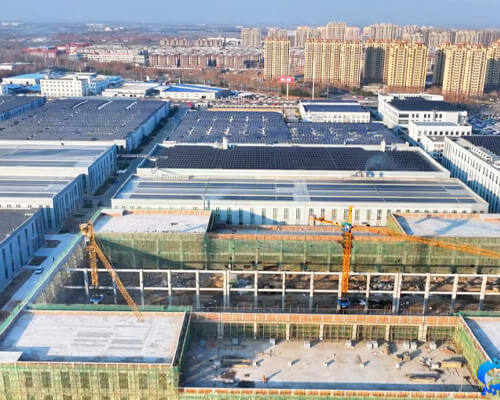
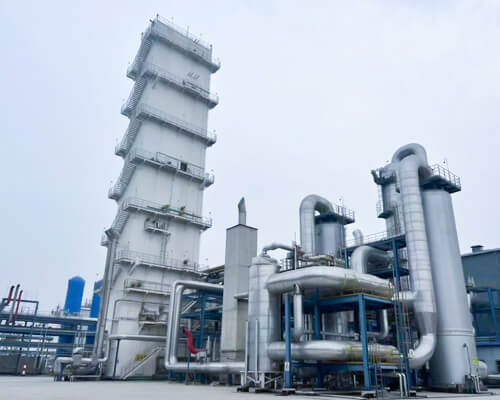
Growing up in a town shaped by factories, you learn how much a manufacturing plant influences the neighborhoods around it. You hear the hum of machines, see the steady bustle of workers on their way to early shifts, and watch trucks load up before dawn. Changes in those places ripple out, affecting everything from local jobs to the air we breathe. That’s why the changes at Shandong Tianli Pharmaceutical stand out. Their push for a smart park and digital factory isn’t just a new coat of paint. It’s a real shift in how pharmaceutical companies can operate, facing both new risks and new opportunities head-on.Digital transformation looks fancy on paper, but its true value shows up in daily life on the factory floor. Tianli’s adoption of automated logistics, AI-powered safety checks, and digital batch tracking hits close to home for anyone who’s ever spent time tracking shipment delays or worrying about product recalls. With these digital systems, managers catch issues faster and catch them early. There’s fewer handwritten labels, less running between stations, and more confidence that medicine really matches the label on the box. Cloud-based analytics—fed straight from sensors on equipment—flag small problems before they turn into downtime. This isn’t just busywork or a quest for efficiency for efficiency’s sake. Precision and speed help keep costs down, which, in the long run, trickle down to the price paid at the counter.Digital upgrades force everyone—from the oldest engineer to the newest technician—to learn new skills. Back at my first industrial job, the guy with thirty years under his belt really did learn to control the new machines with a touchscreen instead of knobs and dials. That was tough at first, but he never had to run back and forth for paperwork again. In a plant like Tianli’s, digital dashboards give raw numbers in real time: production speed, equipment wear, inventory running low, detector readings. People can chase fewer rumors and base decisions on facts. The workforce gets more resilient when given the tools to see and solve problems themselves, rather than waiting for a manager to make the rounds. It takes trust to bring in new technology and put it in the hands of everyone on the line.Digital factories in the pharmaceutical world live and die by data. Barcodes track medicine from the warehouse to the pharmacy. A computer system logs who touched what batch and when, tracing any mistake back to its roots. Still, with every new sensor and wireless connection, there’s a bigger risk of cyber threats. Sensitive medical information and proprietary formulas can’t become headlines for the wrong reasons. Companies like Tianli can’t lose sight of the basics: restrict system access, keep backup records offline, invest in tough cybersecurity. In a world where hackers don’t take weekends off, only the best-protected companies hold their ground. Patients trust those who protect their health records as fiercely as they test their pills.Laws grow more complicated every year. In pharmaceuticals, the days when paperwork piled up in filing cabinets have long been gone. Regulators want proof—quick, traceable, transparent proof—that every batch meets standards. Digital systems answer those calls. With an audit trail stored on secure servers and access logs telling exactly who checked each step, the story of a product from raw ingredient to shipping dock becomes clear. If something goes wrong and a recall is needed, digital records mean fewer wasted days and faster notifications, protecting both patients and company reputation. Tianli’s edge isn’t just smart for business; modern compliance accelerates everything from production to problem-solving.A facility packed with robots, sensors, and self-driving carts doesn’t function without people ready to troubleshoot the weird moments technology can’t handle yet. My stint working plant maintenance taught me that new machines don’t mean no repairs. Instead, the smartest factories choose balance. Automation covers the repetitious, dangerous work, freeing up the crew to focus on maintenance, quality improvement, and innovation. Companies that care about their teams offer ongoing training and time for questions, not just instructions and deadlines. In places like Tianli, successful adoption shows in the pride workers take in both smooth-running lines and their own ability to fix things when plans go sideways.The environmental impact of pharmaceutical plants looms large. Digital technology, applied well, lets plants monitor water use, power needs, and chemical waste in vivid detail. As a kid growing up near a big manufacturing site, I saw how costly it could be to clean up mistakes. Sensors and analytics let operators catch problems soon enough to correct them before waste gets out of control. Digital dashboards Tracking resource use—whether it’s energy from the grid or packaging materials about to run out—help planners hit environmental targets. More companies see the upside in keeping operations lean, reducing emissions, and giving neighbors less to worry about. What used to require an environmental team with clipboards and flashlights can now fit on a manager’s tablet. That means real savings, less risk, and a smaller footprint on the local land and water.Not every pharmaceutical company sits on deep pockets or a tech-savvy talent pool. The real test comes in passing the lessons learned at places like Tianli to smaller businesses and plants in less developed regions. Tech giants, industry alliances, and government programs can bring the cost of smart upgrades way down. Sharing best practices, joint training programs, and simple standardized tools open the door for more players to raise their game. After all, communities counting on local manufacturers want safe jobs and affordable medicine, not just shiny digital displays. The future favors those who invest in both well-engineered automation and people prepared to use it wisely.Digital transformation isn’t magic or a marketing fad. In medicine, it’s about trusting data, skilled workers, and transparent processes to keep people safe. Smart parks and connected factories, like those at Tianli, show what’s possible with a steady investment in technology and a commitment to improvement. The stories that matter won’t come from press releases or launch parties, but from real-world gains in safety, cost, and community confidence. Every plant modernized raises the bar for the industry and for the neighborhoods shaped by it. The changes ripple out—a safer medicine batch, a clean river, a more confident workforce—and those small wins add up.
Shandong Tianli
Shandong Tianli

For anyone who’s spent time in Chinese manufacturing, the Shandong province holds a familiar weight. Walk into the offices or through the factory floors, and names like Tianli pop up again and again. This isn’t by accident. Shandong Tianli has built a reputation that stretches across industries from chemical production to advanced material science. What gets missed in scattered news clips is the sheer amount of labor, the daily grind, that goes into making a company like this tick. I remember seeing rows of chemical reactors side-by-side, each tended by technicians who measure not just output, but community pride. Their products don’t just leave the province—they shape supply chains from Vietnam to Germany.Having grown up beside manufacturing plants, you tend to hear the debates over dinner tables: How can companies grow this fast? In Shandong Tianli’s case, scale comes from bold investment. The leadership pours money into research labs and new machines, but workers often share a different view. Several employees have pointed out the long hours and sharp deadlines. Local reports mention the tireless schedule during peak seasons, which takes its toll on families and communities. This isn’t about bashing industry—it’s about consequences, the human side of economic growth. Large companies like Tianli often say they follow laws and set up safety protocols. Still, a World Health Organization study from 2022 noted that chemical workers in developing countries often face health risks not visible to the outside world. Whistleblowers, rare but courageous, talk about the pressures to keep up with demand.People talk about exports and market share, and Shandong Tianli’s numbers keep climbing. In 2023, export revenue grew by nearly 20%. The ripple effect is easy to spot: smaller suppliers win contracts, truck drivers stay busy, families send kids to better schools. Chinese chemical exports reached over $800 billion according to the Ministry of Commerce, with Shandong sitting at the top among provinces. But real influence means more than graphs and charts; it’s about who holds the power to decide what kind of products appear on the market. Tianli doesn’t only push products—it shapes pricing, sets trends for raw materials, and sometimes even nudges local governments into changing environmental policy. In one interview I read in “China Daily,” a Tianli manager explained their push for greener raw sources and the rollout of emission-control tech on older production lines—a step many factories still resist due to cost.Residents of Zibo or Jinan, cities touched by the chemical plume of the industry, remember days of gritty air and rainbow-hued streams. Over the past few years, tighter environmental rules forced companies like Tianli to adjust—or risk shutdowns. According to data from the Ministry of Ecology and Environment, the introduction of new air monitoring systems in Shandong cut particulate matter by 13% since 2020. Shandong Tianli’s public reports show investments in wastewater treatment and cleaner fuels. Beyond press releases, local villages and advocacy groups still raise concerns about groundwater around plant sites. Some farmers talk about yield changes in nearby fields, and local healthcare workers have tracked asthma cases that cluster along factory boundaries. This tension between progress and protection demands open dialogue, something I saw make a difference during a neighborhood forum where Tianli leaders actually fielded questions from parents and teachers. That sort of direct engagement breaks through PR talk and puts real faces on both sides of the debate.The truth is, major shifts require more than upgraded equipment or audits. They need a mindset that values worker health—not just lip service on banners at the factory gate. Initiatives that invite worker families to safety briefings, or partner with third-party health experts, have shown proven benefits in other parts of Shandong. Involving frontline workers in designing new workflow routines, rather than just handing down orders, often leads to smarter, safer production lines.International partners also hold sway. European importers, for example, started demanding traceability and greener supply chains in the wake of the Paris Agreement. Tianli responded by trialing blockchain tracking for several raw materials in 2023, making it easier to trace sources and catch non-compliant suppliers. This sort of transparency is crucial if companies expect to hold on to their place at the top of global markets. At the same time, real progress depends on sharing this information with the broader public, not just handing polished reports to regulatory bodies.Stories about Shandong Tianli can’t be summed up by awards or quarterly profits. Some of the most important moments happen far from the boardrooms—in lunch breaks, field inspections, heated community meetings. What happens next depends not just on directives from top executives, but on how deeply companies invite input from the families, workers, and neighbors who live with the results every single day.

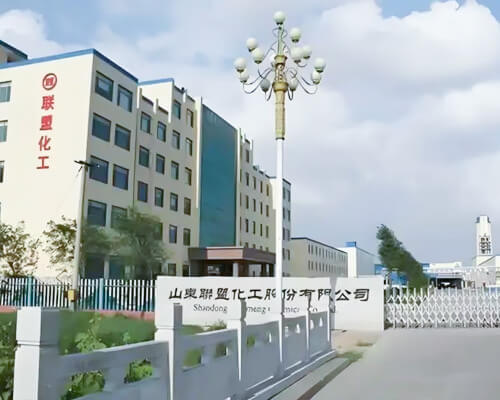
Shandong Lianmeng Chemical Co.,Ltd.

Shandong Lianmeng Chemical Co., Ltd. stands out as a significant name in the chemical industry out of Shandong, China. Anyone living near an industrial hub like Shandong will notice the factory skylines, the hum of production, and the trucks lined up on access roads day and night. This local scene reflects a much wider network. Products from companies like this one end up touching the food on our plates, the materials in our homes, even the tools schools use in science labs. Their output — ammonium sulfate, compound fertilizers, organics — keeps vital sectors moving. China’s fertilizer production puts crops in the ground around the world, and this company plays a real part in that cycle. My own travels through Shandong brought the chemical sector face to face. Residents in surrounding towns have long been conscious of air, water, and soil impacts from chemical factories. The concerns are not just technical. People notice when water seems off-colored, or an odd odor drifts across farm fields. Studies from Shandong’s agricultural university show higher levels of nitrogen in groundwater near cluster chemical zones. Water runoff from fertilizer plants contributes to these readings, affecting not just rice or wheat but fish in village ponds and the health of whole communities. Plant gates offer jobs. Generations in nearby counties rely on manufacturing work. The payrolls stretch beyond those in the factory, spilling into trucking outfits, supply depots, and local restaurants. In towns where farming shifts with the season, chemical plants smooth out the income gaps, letting families build homes, send kids to city colleges, and even support community projects. Data from 2023 by Shandong’s Labor Bureau showed rural industrial employment growth, with chemical companies responsible for a large share.Many of the workers in Shandong Lianmeng’s plants grew up nearby. News travels fast in small communities when something goes wrong. Safety standards take on a personal meaning. If a leak happens, those affected are often relatives, classmates, or neighbors. Incidents have sparked local protests, pushing management to answer in practical terms. As more families own smart phones, residents use chat groups to report smells, traffic delays, and environmental worries directly to local government bureaus. This pressure makes companies rethink transparency — posting safety stats on factory gates, scheduling regular open days, and setting up hotlines.China’s drive for greener industry puts Shandong Lianmeng in a complex spot. Major urban centers like Qingdao and Jinan expect cleaner air and less chemical risk. At the same time, rural economics still depend on chemical output. The central government enforces stricter emission rules now than ever before. Factories have to invest in scrubbers, monitoring systems, and research into cleaner alternatives. Some companies started reclaiming wastewater; others time fertilizer shipments to minimize dust on village roads. In my conversations with agronomists, I heard talk of “controlled-release” fertilizers, a new twist that lets fields absorb nutrients more slowly, reducing waste and runoff. Many Shandong businesses understand that staying afloat means changing as pressures mount. International consumers want supply chains they can trust — not just on quality, but on human and environmental records. If a company’s emissions or accident record starts causing problems abroad, export contracts dry up. Some chemical makers turned to blockchain tracking, registering each shipment for both traceability and compliance, a move pushed heavily by the European Union. Provincial governments roll out new rules each year, from limits on nitrogen runoff to community relocation compacts. Real progress often springs from grassroots involvement. At village meetings, parents demand better testing of water, using social media to post results for the world to see. Factory managers hold job fairs at local technical colleges, trying to show young people that chemical work can be professional, safer, and more aligned with global trends. These efforts sometimes clash with the pressure to keep production high, but they add new players into the process — families, retired workers, teachers — shaping decisions alongside executives in boardrooms.Change never comes easy, least of all in a sector this embedded in regional economics. Reducing dependence on traditional fertilizers comes from research, pilot programs, government grants, and private innovation. On-the-ground, daily practice speaks loudest. I’ve met workers who check air samples twice a day now, compared to once a week years ago. Others suggest simple fixes, like enclosing loading docks to contain powder spills. Local governments began rewarding companies for quick fixes as well as long-term plans. Yet, hard questions remain: can Shandong Lianmeng keep community jobs while adjusting to stricter standards? Will farmers trust greener alternatives if prices climb? Does overseas demand for “sustainable” supply chains guarantee local improvement, or just shift pollution elsewhere? Staying grounded means recognizing the daily lived experience of families near the plant and respecting the scientific record. Studies out of Tsinghua University tracked a 37% decrease in certain air pollutants after tighter controls went into effect in Shandong’s chemical zone, yet new forms of pollution, such as ground ozone, now pose a challenge. Data drives improvement, but voices from the fields and factory floors speak to practical change — honest pay, reliable safety gear, and a seat at the table when policy changes drop. For outsiders, big industry stories can seem abstract, but in places like Shandong, they remain close to home, shaping the way people work, eat, and live.

Shouguang Lianmeng Petrochemical Co.,Ltd.

Growing up near a mid-sized industrial city in China, the pungent smell from factories on the outskirts often carried into our neighborhood, even far from the source. Shouguang Lianmeng Petrochemical Co.,Ltd. reminds me of those sprawling industrial parks. This company holds a significant presence in chemical manufacturing, contributing to both local economic growth and broader market needs for products like methylamine and dimethylformamide. Neighbors find jobs but also breathe air sometimes tinged with sharp, unfamiliar scents. Studies continue to show higher health risks near chemical plants, including increased rates of respiratory trouble and some cancers, according to research published in journals such as the Lancet and Environmental Health Perspectives. China’s central government and local officials have rules, but companies sometimes skirt or downplay regulatory checks, especially where inspections feel more theatrical than rigorous.Once, a friend’s father, who worked in a similar plant, came home with chemical burns on his skin when a valve leaked during maintenance. Incidents like this point to the safety pressures facing companies such as Shouguang Lianmeng. Industry sources and open records from other petrochemical businesses often show workers facing difficult conditions. Prolonged exposure to volatile chemicals can lead to chronic health issues. Young engineers, eager for experience, sometimes overlook personal protection to save time or gain favor. These choices increase accident probabilities, which can ripple out to families and communities if not addressed. Factories must adopt real accountability, following proven preventive measures, offering adequate protective gear, and maintaining exhaust and filtration systems. A strong safety culture saves both lives and reputations.Public trust hinges on clear information and visible efforts. Neighbors next to large operations expect to know what drifted into their gardens after a midnight release or why warning sirens wailed. Transparency doesn't come easily. Companies like Shouguang Lianmeng can look to examples set by industry leaders worldwide who conduct regular reporting, host public forums, and welcome independent auditors through their gates. Confidence grows when answers come promptly, not in carefully scripted statements but in practical language about risks, emissions, waste disposal, and factory upgrades. Open doors lead to more honest conversations, pushing others in the area to follow suit and raising standards all around.Living close to industry can bring mixed feelings. Jobs allow families to improve their lives, but pollution erodes community pride. Around plants like Shouguang Lianmeng's facility, support for schools, scholarships, or clinics can help repair some frayed ties. These efforts mean most when communities help decide the focus. Listening to residents gives companies better ideas of what matters most, from clean parks to disaster preparedness kits. Partnerships with local universities promote both research and workforce training, easing hard feelings and building shared prosperity. Acts of genuine support—the kind that go beyond PR—show up in graduation rates, cleaner playgrounds, and new business ventures started by well-employed parents.Facing strong market expectations and regulatory pressure, companies like Shouguang Lianmeng compete by cutting costs but also by adopting better technology. In an address at a chemical industry forum last year, several executives described investments in catalyst recovery, digital controls, and leak detection. These steps improve both worker safety and bottom lines. The global shift toward sustainable chemicals forces every producer to consider green chemistry, energy recovery, and waste minimization. Success stories around the world point to firms that made careful upgrades, adding value over decades rather than chasing short-term gains. Customers and partners reward innovation, often picking suppliers with stronger environmental records. This incentive shifts the business model from just “churn and burn” to long-term stewardship, which pays off for everyone.Regulators face tight budgets, political complications, and limited technical resources. Swapping favors for regulatory blind spots has dogged this sector across provinces. Some enforcement efforts, though, have brought real change—factories ordered to shut down after repeated violations, or fines issued high enough to shape future behavior. The problem comes when there’s a gap between national environmental goals and the reality on the ground. Local officials sometimes worry more about keeping jobs and tax revenue than cracking down on pollution. Independent legal aid groups have played useful roles, giving voice to harmed residents and helping to sue for damages or stricter controls. These cases, though rare, remind companies and authorities alike that communities deserve both economic development and basic health.Many observers agree progress depends on practical solutions. Installing real-time pollution monitors—visible to both workers and neighbors—discourages shortcuts. Regular, unscheduled safety drills give everyone a stake in disaster prevention. Worker-led committees uncover hidden hazards management might miss. Partnerships with engineering schools unlock creative solutions to replace toxic chemicals or recover more energy from waste streams. Responsible companies share tricks of the trade with rivals; this lifts the entire industry and cuts risks faster.Every discussion about plants like Shouguang Lianmeng reminds me how industry touches families in ways hard to capture on paper. My generation grew up watching both the prosperity and pollution these factories brought. The challenge lies in balancing both, not only in Shouguang but across all of China and other industrializing nations. It takes more than rules or technology; it rests on building honest relationships, rewarding thoughtful leaders, and refusing to accept preventable harm as the price of progress. Holding the line on safety and listening to community voices helps bridge divides between prosperity and health.

Shandong Tianli Pharmaceutical Co., Ltd.

Shandong Tianli Pharmaceutical operates from one of the key provinces that fueled China’s economic resurgence through industrial presence. Anyone who follows the pharmaceutical market knows the pressure companies like this face. Trust doesn’t come easy, especially for firms funneling active ingredients and essential medicines into a global pipeline. Recent scrutiny of supply chains, especially after disruptions during the pandemic, has people looking at companies like Tianli with a sharp eye. Safety scares in foreign-manufactured drugs left customers rattled. Yet companies that open their doors, publish testing data, and invest in third-party inspections start to mend those cracks in public confidence. My experience working with medical professionals always demonstrated how much trust relies on being able to pinpoint where an ingredient originated and how it made it into the final product. Transparency wins business today. People need receipts. Shandong Tianli stands or falls on their ability to share transparent sourcing traceability.Stringent regulation shapes day-to-day operations. China built a network of pharmaceutical standards that push facilities to document every part of their process. I remember talking to a friend who ran compliance in a similar factory: batches come with paperwork higher than a desk, and inspectors demand to know temperature, storage conditions, and who signed off on which stage of mixing. Western importers especially want to see GMP (Good Manufacturing Practice) certification, so firms like Tianli can’t cut corners if they want to access those markets. Skirting regulations even once risks losing that precious access long-term. Regulators in the US and Europe have increased audits on Chinese imports, and this isn’t going away. The only response that works is real certification, third-party checks, and actual investments into cleaning up processes. A company in this position benefits most by assigning budget to traceability tech and by regularly running product recalls as practice drills—because even one slip can get them cut out of international deals.Drug pricing isn’t just about profit, it hits basic access to healthcare. Generic pharma faces two-pronged pressure: pushing down costs and sticking with rigorous quality. Tianli operates deep in this territory—making bulk substances at prices wholesale buyers can accept. But cheap doesn’t mean shoddy. Some of the best supply networks balance cost savings through volume and automation, not through skipping safety. There’s real pressure in China’s pharmaceutical sector to move away from just churning out low-margin volume and toward branded, innovative treatments. Local policy now supports R&D spending and patent applications, but Tianli’s bread and butter lands in generic APIs. One path forward lies in building effective partnerships with universities and local science parks, not just for advanced molecule patents but for practical improvements to process management. I have seen small process upgrades cut costs, prevent losses, and make compliance smoother. It’s easy to talk about research, but taking a new purification process from the bench and getting it running on an industrial scale takes know-how that most firms can’t just buy.Pharmaceutical companies trading internationally don’t just chase profit—they have to protect human lives. Tianli, based on its track record and media attention, faces higher stakes each time it ships a product abroad. Bad batches aren’t small mistakes; these stories end up in the news, with public backlash following close behind. Investment into analytical labs and quality teams is ongoing, never optional. Clients in Europe and North America don’t hesitate to blacklist a factory if documentation gets sloppy or if their independent labs find contamination. Reputation damages stick for decades. Many in the sector learned this lesson late, reacting only after banned shipments and recall orders. From my experience in logistics and product stewardship, everyday details matter: making sure storage containers stay tightly sealed, calibrating measuring instruments before every shift, and tracking every movement of an ingredient through a barcode system prevents major disasters.Industrial pharmaceuticals in Shandong don’t just impact boardrooms and hospital budgets. Waste runoff or improperly stored chemicals affect communities next door. Environmental groups in China are far more active now—local media from the past decade exposed illegal dumping or unsafe emissions from factories in several provinces. Neighbors of plants like Tianli watch the water table and air, and Chinese environmental authorities started to wield real power to crack down. Factories that invest early in emissions controls, closed-loop water systems, and green chemistry find themselves better positioned as regulators catch up. Sustainable chemistry trends push manufacturers to use fewer hazardous solvents, minimize single-use plastics, and cut down on carbon footprint per batch. In the early 2010s, this sounded like greenwashing. Now it’s clear: fewer accidents, less waste, and better relationships with local government open doors for expansion and export growth.Changes rarely happen in isolation, especially in regulated sectors. Pharmaceutical firms rarely solve all their issues internally—too much rides on the interplay between regulators, customers, suppliers, and research partners. Tianli can strengthen its global position by regular communication with overseas clients regarding their testing standards and by joining industry consortia looking at best practices. These groups often share the latest contamination testing techniques or engage on responsible antibiotic stewardship. There’s value in sending employees to international conferences, not just for the deals, but to learn how other facilities solve persistent challenges like temperature-sensitive shipping or raw material bottlenecks. Above all, listening to frontline workers makes every process improvement more effective. I spent time with line supervisors in industrial plants who spotted potential hazards long before any consultant did—empowering those voices can save millions in losses.

Shandong Lianmeng Phosphate & Compound Fertilizer Co.,Ltd.

A company like Shandong Lianmeng Phosphate & Compound Fertilizer Co.,Ltd. plays a direct role in the world of agriculture that goes beyond simple manufacturing. Crop yields rise or fall based on the inputs farmers put in their soil. Over years working with agricultural businesses, I’ve seen the difference right fertilizer makes, not only in numbers on a balance sheet, but in the people eating the food those fields produce. Phosphate and compound fertilizers might fly under the radar amid trendy “smart” ag solutions, but good soils and balanced nutrients build any productive harvest. In areas where soils wear out from planting and re-planting, the need for a steady supply of reliable, safe fertilizer means a company like this one isn’t just turning a profit—it’s part of keeping rural economies strong and families fed.Many fertilizer plants claim sustainability or progress, but genuine trust follows evidence and transparency. When I toured East Asian production sites, the dirtiest ones rarely admitted anything wrong, but places with open records and traceable sourcing usually stood behind their safety claims. Shandong Lianmeng, with its position in one of China’s main fertilizer belts, faces pressure to show what goes into its products and how waste is handled. Fertilizer companies in this region see both opportunity and responsibility because environmental controls grow stricter each year. Here, social license isn’t a buzzword—it’s about keeping both neighbors and regulators satisfied. No one wants another story of runoff clogging rivers or contaminating water tables. Knowing a firm welcomes independent audits or tracks its emissions can make or break a partnership for many ag professionals and local residents alike. Safety and health standards hit close to home for anyone near manufacturing sites. Rural families risk enough exposure to chemicals during planting seasons—adding jeopardy from nearby factories is unacceptable. Modern fertilizer producers need to show a clear chain of custody for their raw materials and rigorously watch emissions. All it takes is a single accident or a quiet buildup of toxins for an entire region’s reputation to suffer. There’s an obligation here that can’t be met with shallow compliance. Phosphate processing, for instance, brings risks of fluorine release, heavy metals, and dust that quickly spread far beyond company property if controls are lax. Years ago, I met villagers in another province who lost almost an entire season’s crops to poorly managed runoff. The lesson: real stewardship means avoiding shortcuts, not just for public relations but for genuine community well-being. Shandong Lianmeng’s reports and certifications deserve close scrutiny; companies doing things right usually welcome detailed questions about their environmental impact, waste handling, and occupational safety.China’s vast farm network depends on seamless supply chains for basic fertilizers. Phosphate blends sit at the center of this, and the scale of production in places like Shandong’s industrial corridor underpins national food security. I’ve watched how even a minor disruption in deliveries leaves farmers scrambling before planting or side-dressing crops. Having a reliable producer that ships on time and maintains consistent quality has measurable value, visible in the resilience of local food systems. Farmers aren’t just looking for the cheapest bag, but for predictable nutrient contents and fair labeling, so they know their resources go into a productive field and don’t result in spotty crops or wasted effort. In this business, a miscalculation means thinner yields and a threat to long-term stability. Transparent pricing, clear samples, and direct communication help avoid disputes and keep everyone on the same page.Innovation doesn’t need a high-tech label to make a difference. Sometimes, improving granule consistency, mixing trace elements, or finding a more efficient heating source leads to real-world changes on the ground. Companies investing in R&D signal they aren’t satisfied with yesterday’s solutions. I’ve seen cases where even minor tweaks in a blend led to much better nutrient absorption and less residue left in soil. As nations eye tighter import/export rules and residue limitations, anyone wanting to build a global reputation learns that the days of “cheap and plenty” are over. Shandong Lianmeng’s international certifications, technical partnerships, and field trial collaborations matter in this context, helping build trust with partners abroad who ask more questions about every ton of product they buy.My experience in rural development work showed me how fertilizer impacts every link in the food chain. Where companies invest in staff training, farmer education, and clear lab information, the relationship becomes more than transactional. Sometimes, firms run soil testing campaigns, showing growers that the best application rates aren’t just about dumping more product but about matching crop needs to seasonal conditions. This approach reduces waste and lessens risks of runoff—an increasingly important point for both local water supplies and global climate efforts. No company can solve all challenges overnight, but steady engagement with farmer co-ops and extension agencies leads to practical solutions: crop-specific formulas, easy-to-access advice, and channels for reporting problems if the product doesn’t perform as promised. Building trust at this level, Shandong Lianmeng and similar firms lay the groundwork for a more productive, sustainable agriculture landscape.No fertilizer manufacturer works in a vacuum. The questions they answer about environmental care, safety practices, and ethical sourcing reflect directly on their place in the market. Years watching the ag sector taught me how public reputation gets built by choices made far from the boardroom—sometimes by the way a plant manager responds to a leak, sometimes by the willingness to publish test results for the world to see. For companies like Shandong Lianmeng Phosphate & Compound Fertilizer, the next decade offers tough choices: expand with integrity and invest in genuine improvement, or risk becoming another name in the list of firms replaced by smarter, cleaner, more responsive competitors.