Shouguang Lianmeng Special Equipment Co.,Ltd.

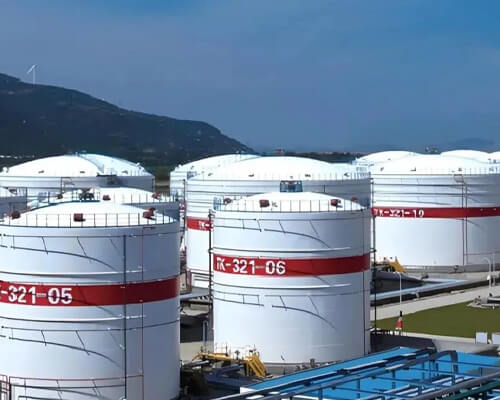
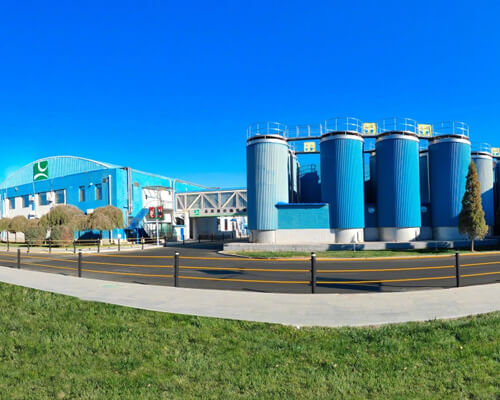
A lot of companies boast about cutting-edge technology and advanced operations. What sticks with me about Shouguang Lianmeng Special Equipment Co., Ltd. is a different story. The strength here comes from the folks who show up every morning, roll up their sleeves, and throw themselves into doing the job right. From welders to inspectors, these are the people who carry decades of local expertise. They understand what it means when a tank leaks or a pressure vessel fails—not just the cost of repairs, but the risk to real lives. I grew up seeing my neighbor come home from a fabrication shop, grease on his hands and fatigue in his eyes, knowing the tanks he built held thousands of cubic meters of compressed gas. The stakes are real, and there isn’t room for shortcuts. This sense of hard-earned trust and accountability resonates with me when I read about companies like this one. Nobody likes thinking about what can go wrong in factories, chemical plants, or grain storage yards until it does. Equipment from Shouguang Lianmeng can’t afford to be just good enough. A single flaw in a pressure vessel or storage tank can set off a chain reaction—explosions, environmental spills, and injuries. News headlines sometimes gloss over the stories behind such accidents, but every incident points back to choices made during design, fabrication, and maintenance. Companies like this, rooted in regions known for agriculture and industry, face pressure from both government inspections and long-term clients to deliver safer, tougher products. That focus on reliability isn’t just about ticking boxes or earning certifications; it protects workers and saves crops. I remember when a fertilizer silo failed at a nearby processing plant. The mess lasted weeks, and local farmers lost out on a growing season. These experiences remind us why responsible manufacturing is more than marketing—it shapes real outcomes for families and communities.Industrial equipment runs up against new challenges every year. Crops change, climate shocks arrive, and regulations get updated. Companies that stick to the old way of doing things often find themselves pushed aside. Shouguang Lianmeng demonstrates that investing in research, whether that’s smarter coatings, better sealing technologies, or new alloys, is essential for staying ahead. I’ve seen older models of storage tanks rust out or clog far too soon, creating downtime and frustrating everyone involved. Smart producers listen to front-line workers and clients, plugging their feedback back into product development. That willingness to change, test, and even fail occasionally, brings a steady stream of improvement. Watching local fabricators experiment with automation and digital monitoring gives me hope, knowing that each step forward increases safety and efficiency for everyone down the line.A company can’t thrive in this field without trust—hard-earned and never taken for granted. Shouguang Lianmeng’s growth comes from relationships built over years, often through difficult seasons where delivery deadlines, technical demands, or regulatory changes seemed overwhelming. I’ve seen the look in a plant manager’s eyes when a promised delivery shows up late or fails an inspection. Earning back that trust takes time. By focusing on transparency, sharing test records, and welcoming outside audits, the company shows they’re willing to be held accountable. It’s not a question of hiding mistakes but learning from them. Companies that stay open to feedback and encourage honest dialogue tend to last longer and draw repeat business because people remember how problems get handled when things go sideways. It’s hard to overstate the environmental impact of the heavy manufacturing sector. Every vessel and tank carries a carbon footprint, sheds waste, and risks leaks that can poison water and soil. In a place like Shouguang, surrounded by farmland and river systems, pollution hits home. Kids play in those fields, and families drink from those sources. Strict controls on waste management, careful selection of raw materials, and investment in cleaner production methods can make a huge difference. I’ve seen companies pivot to solar panels and closed-loop cooling just because enough people in the town pushed for change. Holding companies to a higher standard forces everyone onto a faster learning curve, and it’s encouraging that Shouguang Lianmeng has moved toward more sustainable practices with an eye on certifications that mean more than a sticker on the wall. Manufacturers deal with more than supply chains and machine repairs. Social media, stricter international standards, and a rising demand for product traceability leave little room for error. If a factory overseas cuts corners or covers up problems, word gets around in hours, not months. Shouguang Lianmeng’s long-term survival depends on staying open, proving that their steel, welds, and coatings measure up—every single time. This pressure is exhausting, but it also keeps companies humble and sharp, especially when mistakes get magnified quickly. A friend who works in logistics once told me, “It only takes one recall to lose everything.” There’s no hiding place in this business, so a culture of honesty and constant improvement isn’t an option—it’s a must. Machines and blueprints won’t save you if the folks who run them aren’t well-trained. Many disasters stem from simple mistakes: the wrong bolt, a skipped inspection, a misread gauge. Shouguang Lianmeng’s investment in ongoing training stands out. A skilled welder or a careful inspector can spot problems before they escalate. The company often brings in outside instructors, encourages apprenticeships, and makes room for older workers to pass on lessons. Experience doesn’t live in textbooks alone. My uncle, a retired machinist, always said, “You teach with your hands, not just your mouth.” That approach shapes the next generation better than any manual could.Innovation comes from stubbornness and a willingness to try again after falling flat. Shouguang Lianmeng doesn’t just copy standard designs; they pay attention to field failures and keep learning. They test new paints and coatings to beat corrosion, rework joint designs that keep failing under repeated use, and consult with clients after installation to make adjustments no CAD model could predict. I once watched a group of engineers spend a weekend out in a freezing yard, tinkering with a temperature sensor that had stumped them for weeks. They didn’t quit at five o’clock, because real-world conditions rarely follow a shift schedule. This kind of dogged problem-solving makes more difference over time than splashy product announcements.Tough problems ask for solutions from every angle. Higher safety standards, tighter climate regulations, and the constant drumbeat of competition require more than slogans. Shouguang Lianmeng listens—to regulators, local communities, and tough customers. They adjust equipment and methods, invest in cleaner technologies, and hold frequent safety drills. Building channels where workers voice their concerns openly has always struck me as a better insurance policy than any paperwork. When folks at every level feel heard and valued, mistakes surface sooner, and solutions often come from those closest to the work.Strength in a company like Shouguang Lianmeng doesn’t come from one big idea or a single breakthrough. It’s built one inspection at a time, one new apprentice at a time, and one tough repair after another. Communities remember who took short-cuts and who stood firm in the face of economic or regulatory pressure. By sticking around long enough and getting the basics right—solid welds, prompt deliveries, honest conversations about risk—a company leaves a mark that lasts longer than any single batch of equipment. Everyone relying on their products wants to know they’re backed by people with skin in the game, not just a faceless order in the system.

Shandong Lianmeng Logistics Co., Ltd.

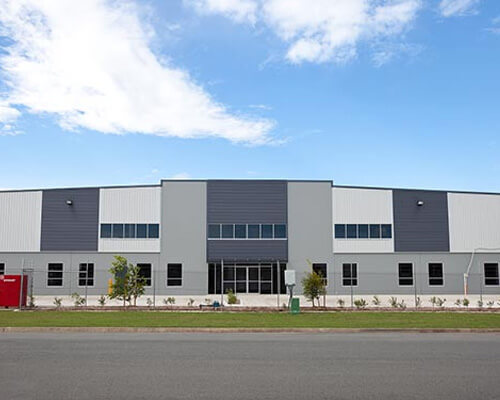
Driving along the highways that cut through Shandong province, trucks marked with the blue and white logo of Shandong Lianmeng Logistics Co., Ltd. are a regular sight. Over the years, Lianmeng has become a backbone for many local businesses that rely on fast, reliable freight services. My own family runs a small distribution business in the region. We learned first-hand how a dependable logistics partner can mean the difference between shelves full of products and days lost waiting for restocks. Without timely delivery, clients lose faith and sales slip.Supply chains rarely get the spotlight, but they shape daily life. Chinese logistics companies like Lianmeng link farmers, factories, and families. During COVID-19 lockdowns, the importance of organized transportation networks really came into view. My cousin, who runs a vegetable stall, watched prices spike when shipments slowed. Lianmeng played a quiet but crucial role in keeping trucks moving even as roads closed and demand surged. In a country with sprawling distances, the ability to organize, schedule, and adapt transport so storefronts remain stocked isn’t glamorous work, but it determines economic stability.Over the past decade, data and analytics have spread into logistics like roots through soil. Lianmeng has put serious money into real-time tracking, RFID tags, and automated inventory reports. These upgrades mean fewer lost pallets and delayed arrivals. I remember speaking to a warehouse manager who praised their new shipment tracking app—it let him monitor unloading times and traffic jams, which gave him a running start on bottlenecks before they choked up the warehouse floor. Embracing tech isn’t just about speed; it’s about building trust. Clients care about knowing when a truck will show, and drivers prefer routes that avoid the pain of endless city traffic.Despite impressive advances, logistics often faces rough roads, both literally and figuratively. Congested highways that snake around Jinan aren’t handled by lines of code alone. Fuel prices keep rising, labor shortages get worse, and more government regulation piles on every year. Environmental rules add costs—while much-needed—because new emission targets often demand expensive upgrades or cleaner vehicles not found in old fleets. Lianmeng, with its sizable operation, manages to weather many of these issues, but smaller rivals struggle. The weakest link isn’t always where a spreadsheet says; a single broken-down truck far from the city can throw plans into chaos.Strong logistics companies do more than haul boxes or barrels. They grow old with their clients. I’ve watched as Lianmeng drivers greet my friend’s warehouse staff by name, laugh about last winter’s storms, and then settle into negotiations over next season’s contract. These personal relationships run deep. Trust grows not from press releases or shareholder meetings, but from promises kept on rainy November mornings when trucks show up against the odds. Lianmeng’s strength isn’t in their fleet size or the miles they cover. It’s in people who rely on them and the reputation built from thousands of daily interactions.High-performing logistics must keep evolving, especially given the pace of domestic competition and shifting customer expectations. E-commerce has stirred up the landscape, forcing even the biggest outfits to rethink rural delivery, warehouse automation, and partnership priorities. Lianmeng has a rare chance to move from a regional force to a national leader if leadership listens to drivers, invests in vehicle maintenance (not just flashy tech upgrades), and stays nimble on pricing. Real resilience means planning for flash floods as much as for festival spikes, which comes less from annual reports and more from listening to the folks climbing in and out of the cab.Instead of pinning hopes on new apps alone, the real test for Shandong Lianmeng Logistics lies in building a culture focused on people, teamwork, and practical problem-solving. Industry experts keep pushing for investment in skilled driver training, smarter route planning based on actual road conditions, and direct communication channels between shippers and receivers. From my time in small business, I’ve seen how even the best tracking system can’t fix a broken tire—only a prepared, experienced team can do that, backed up by clear protocols and tools ready at hand. Lianmeng Logistics is more than a set of trucks, contracts, or routes on a digital dashboard. It represents the long chain of relationships and hard work that keep food, clothes, and tools moving between distant parts of China. Real progress will show up not just in quarterly figures, but in how rural families manage to sell their crops across provinces, how small shops in Linyi keep their shelves stocked through the holidays, and how drivers finish long runs safely, eager to do it all again. Companies that honor their promises, pay attention to the human side of the business, and adapt with the times stand poised to become household names—not just within the supply chain world, but wherever those shipments eventually end up.

Shandong Lianmeng International Trade Co., Ltd.

Shandong Lianmeng International Trade Co., Ltd. shows how a company rooted in local knowledge can make serious waves globally. With its base in Shandong, a region well-known for its thriving manufacturing and logistics scene, the company stands as a true example of what happens when tradition and innovation work together. In today’s world, where markets keep shifting and global competition grows ever tougher, companies that blend deep market experience with a willingness to adapt often rise above the rest. Based on my years engaging with firms and entrepreneurs across Asia, those that listen closely to regional partners and blend that input with a wider strategic outlook tend to weather both booms and downturns. Local expertise shapes smarter logistics, cost management, and customer support—factors that big-picture strategists outside China’s real trade environments rarely notice from afar.Looking at Shandong Lianmeng, I can see a lot of what makes Chinese industry tick: families driving the core business, close-knit teams that value collective achievement, and a strong focus on long-term relationships with suppliers and clients alike. In my work, I’ve met many leaders who still remember the handshakes and small wins that built their success over years. These connections shape a culture that prizes reputation and loyalty above quick wins. When partners trust each other, business runs smoother, payments arrive on time, and problems stay manageable. This sense of trust inspires resilience that’s hard to copy from a textbook. I have come to believe that a reputation for reliability is worth more than almost any branding budget.Watching China’s trade landscape change over the years has taught me just how unstable things can get when policy shifts unexpectedly. Factories may run full throttle today but scramble to adjust tariffs or paperwork the next. Firms like Shandong Lianmeng have stayed in the game by tracking these shifts closely, forming tight relationships with customs agents, and staying ahead of cross-border paperwork. I remember sitting with managers puzzled over new export codes or packaging requirements, quick to adapt by bringing in compliance specialists or investing in staff training. Companies that survive these waves usually invest in upskilling their teams and, when the time comes, stand ready to pivot their product lineup to match new restrictions or opportunities. This kind of agility explains why they’ve remained strong despite periodic slowdowns or sudden regulatory hurdles.Life in the world of trade means dealing with constant cost juggling. Raw material swings, new competitors from neighboring countries, and tight margins keep everyone up at night. The leadership at Shandong Lianmeng faces these same challenges but has managed to carve out space by focusing on what really matters: dependability and a strong product offering. Over years of working with small exporters and big buyers alike, I’ve noticed that firms willing to invest in better sourcing networks and fortify relationships upstream usually lock in steadier prices. By maintaining ongoing talks with suppliers and not just shopping for the cheapest options, companies can avoid wild fluctuations. This keeps customers happy and avoids sudden shortages that can ruin a season’s business.As an observer of China’s trade sector, I’ve noticed that environmental responsibility has shifted from a public relations angle to a basic requirement for continued market access in many export markets. European buyers, in particular, ask tough questions about waste, emissions, and labor conditions. Shandong Lianmeng, seeing these shifting expectations, started looking at how they manage their manufacturing processes and logistics flows. Sometimes, it’s as simple as switching to more reliable packaging suppliers or implementing clear recycling programs in the warehouse. Other times, investing in better energy management or new machinery leads to real cost savings and stronger relationships with buyers overseas. These are not abstract goals; meeting them keeps deals flowing, especially when buyers require proof of compliance before signing new contracts.Trade companies across China often mention the challenge of developing management capable of handling international paperwork, negotiation, and digital logistics. The younger workforce, with its stronger command of foreign languages and digital systems, offers companies like Shandong Lianmeng an edge. In years of consulting, I’ve watched how training programs and open mentoring help newer employees step into challenging roles much faster. Unlike older generations, who learned largely on the job, today’s rising managers rapidly absorb best practices from workshops and forums. Making skills development part of company culture keeps people motivated and gives the firm a safety net when old staff move on or retire. Investing in people directly strengthens the company’s ability to maintain standards and serve global markets.Companies like Shandong Lianmeng face both risk and opportunity as global supply chains keep shifting. There's room for stronger collaboration with foreign partners, reaching into more specialized markets, and leading regionally by adopting digital tools that smooth logistics and customer communication. Industry insiders say that building out more comprehensive after-sales support and technical assistance will open doors to new customers, both domestically and abroad. By setting aside resources for R&D or partnering with universities, firms might diversify their product range and land steadier, higher quality contracts that buffer against basic commodity price cycles. Countries hungry for new industrial partners, especially emerging markets in Asia and Africa, often look for suppliers that act more like partners than anonymous sellers—firms that can deliver value beyond just price.Periods of global tension or economic slowdown create serious headaches for anyone in export and import cycles. Lockdowns, shipping disruptions, and tighter financing rules hit companies like Shandong Lianmeng hardest if they lack a community of reliable partners to share information and trade support. Local business groups and industry associations provide useful lifelines during rocky periods. I’ve seen more resilient firms share best practices on everything from cash flow to document processing within these networks. By committing to ongoing conversations with both local and international peers, firms ensure they stay abreast of shifts in demand, regulatory changes, and even small risks like new cybersecurity threats that can quietly disrupt operations. Staying connected and informed forms the real backbone of long-term business health, no matter the sector.At heart, the future for Shandong Lianmeng International Trade Co., Ltd. rests on the choices made everyday in offices and on factory floors. Open communication across levels, continued upskilling, and never taking shortcuts on safety or ethics create loyalty that pays off in the long run. Companies that treat partners as collaborators, keep their eyes open to regional trends, and willingly adapt their business models to new realities stand a good chance of thriving even as the trading environment gets more complex. Pulling through obstacles means trusting in the resourcefulness and grit that built the foundation from the beginning. In my experience, these are the habits that last, regardless of the industry or cycle.

Shandong Lianmeng Chemical Group Sales Company

Shandong Lianmeng Chemical Group Sales Company sits right in the thick of global industry. From my years following Chinese manufacturing, I’ve noticed that companies like Lianmeng set the pace for entire regions. The modern world keeps asking for more—more food, more infrastructure, more solutions to keep things growing and people fed. Lianmeng takes on the challenge with scale and ambition, cranking out products that matter to the livelihoods of millions, often working behind the scenes. Fertilizer, for instance, forms the backbone of modern agriculture, and this company’s reach goes beyond fields in Shandong. Its connections reach out to international buyers, farm co-ops, and traders who rely on quality and consistency. I remember walking into a fertilizer shop in rural Indonesia and seeing Chinese bags crowding the shelves. You could tell from the writing—Lianmeng’s brand stood out. Those bags laid the groundwork for higher crop yields, but local sellers always swapped stories about pricing and trust. The edge these companies have comes from experience, grit, and the stubborn drive to get product out, rain or shine.Pulling off growth at Lianmeng’s level isn’t just about making and selling goods—it’s a daily tightrope between opportunity and risk. Take the sheer volume of chemicals and fertilizers coming off Shandong’s production lines. Margins depend on keeping everything running efficiently, with supply chains wound tight enough to squeak. Talk to any logistics manager in this sector: they’ll tell you about the stress that comes with shifting raw materials in and out, keeping one eye on energy prices and the other on government regulations. China’s stricter environmental controls in the last decade have pushed companies like Lianmeng to spend more on wastewater treatment and emissions, adding complexity to an already tough game. In one factory visit, I saw engineers checking emission monitors as often as they tweaked the mixers. The pressure shows up in the details—equipment investments, staff training, even the way trucks line up at the loading docks. When profits rest on volume, even a small glitch can shake the whole operation.Reputation travels faster than any product. Lianmeng carved out a name as a reliable partner overseas, but it faces a real challenge in the global marketplace: trust. In Europe, my contacts in the farming sector pay close attention to product certificates, especially after some countries reported contaminated shipments from other Chinese exporters. Lianmeng’s approach leans heavily on testing, paperwork, and direct relationships with buyers. The management knows that a single bad batch can sink years of hard work. I remember a conference in Guangzhou where executives answered hard questions about traceability—could they track every shipment back to the lot number? The right answer meant fewer headaches for buyers and a better chance of repeat orders. The company benefits from hiring quality inspectors and doubling down on transparency. My take: building trust never really ends, especially in chemicals, where mistakes stick much longer than memories of bargain prices.Pressure is rising on Lianmeng and its peers to go green. Across the world, farmers and governments want more sustainable farm inputs. Some customers want slow-release fertilizers that won’t wash off after every rainfall; others demand lower-carbon production steps. I spoke to an agronomist in Jiangsu who had seen more young farmers asking about product sourcing and carbon footprints. Multinational buyers draw up scorecards with strict requirements. That brings costs, sure, but it also offers a way in for those who innovate. Lianmeng has started to roll out research partnerships with universities, chasing methods that stretch yields and protect soil health. Smaller companies sometimes get squeezed out by these trends. At scale, though, Lianmeng can test and roll out new blends, aiming for both performance and new eco-labels. This shift doesn’t happen overnight—it lands on their research teams, marketing crews, and ultimately the end users who work the land.Every time I talk to folks in the chemical industry, they mention unpredictability. Trade disputes flip markets on their heads. Currency swings hit margins without warning. Technology jolts old setups, as digital supply chain tools and automated warehouses creep into use. Lianmeng deals with all of it, often pushing for better data systems and smarter procurement to match demand with supply. Practical solutions stand out. For risk management, forward contracts offer some cover against price swings. For transparency, blockchain-backed supply records help buyers see more than a stamp on a shipping bill. Investment in staff—training workers, keeping engineers up to date—matters just as much as buying new machines. My experience says that problems don’t vanish, but companies that talk with customers, listen to their own crews, and adapt on the fly push through stronger. Shandong Lianmeng Chemical Group Sales Company doesn’t get to rest easy, because this entire sector changes quickly. The way forward comes from staying close to the land and listening to those who use the products every single day. That feedback loop, sometimes overlooked, never stops building future value in an old but vital business.

Shouguang Xinfeng Starch Co., Ltd.

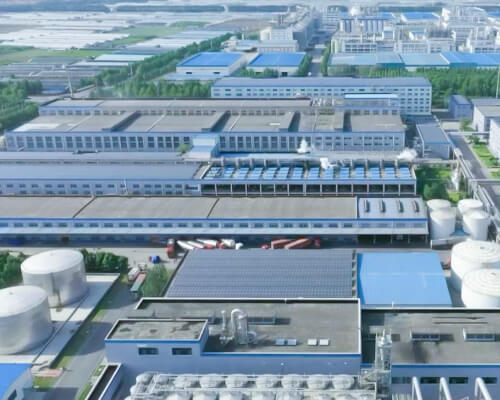
Many folks walk the supermarket aisles and stock their pantries without ever thinking about the journey that cornstarch, noodles, or even soy sauce take to end up on those shelves. Companies like Shouguang Xinfeng Starch Co., Ltd. don’t land in headlines much, but they play an outsized role in the story of global food. Shouguang Xinfeng churns out modified starches that shape everything from sauces to frozen meals. Anyone working in a research kitchen or packaging plant knows that quality standards set back at the factory shape product consistency and safety at every bite. Over the last decade, this company secured a strong reputation for high-volume processing and tight quality controls—essential for international buyers. China produces more corn than any country other than the US, and most of the world’s starch products come out of factories clustered around megafarms like those in Shandong, where Shouguang Xinfeng is based.Growing up near a working farm teaches you pretty quickly that the story of food ingredients brings in a lot of hands. Shouguang Xinfeng supports thousands of jobs across the agriculture, transportation, and logistics sectors. During export booms, the company sends trainloads of product through Asian and even European markets that rely on cheap, reliable starch for processed foods. As markets shifted in the last few years—due to both transportation bottlenecks and rising energy prices—producers that managed to cut waste and keep up efficiency saw their survival become tied to a real sense of adaptability. The leadership at Shouguang Xinfeng invested in modern machinery and digital monitoring technology long before some other firms felt the heat. Workers and engineers there won’t talk about “efficiency,” but they will talk about keeping the line moving and making sure containers meet both Chinese and foreign safety checks. Such dedication helps maintain business relationships that keep local communities afloat even as market winds shift.The growth of industrial starch outfits like Shouguang Xinfeng brings a big environmental footprint. Driving past these plants, you see the reality—runoff lagoons, busy truck routes, corn shipped in and pallets shipped out. Water use and energy consumption hang over every business decision. China’s central government put stricter water discharge standards into effect a while back. Local companies felt pressure to modernize their wastewater treatment, and Shouguang Xinfeng found itself upgrading filtration technology more than once. They took on solar projects for some facility roofs, not just to check a box but because energy prices rarely go in reverse. There’s no romance to the smell of fermenting corn in the air, but smart upgrades slow pollution and offer real hope of protecting the next generation’s drinking water. At the same time, advances in non-GMO corn and eco-friendly enzymatic processing could take root here if buyers at home and abroad demand it. We all pay the price for industrial pollution, so real change usually starts when communities and end consumers start asking the tough questions: what’s in this, where did it come from, did someone get sick making it?Food scares in recent history taught communities that trust in manufacturers cannot be taken for granted. Whether it’s baby formula or instant noodles, an incident anywhere in the supply chain echoes in global headlines. Shouguang Xinfeng built a business in a climate where buyers expect traceability from farm to fork. In practice, that means tracking every batch of corn, monitoring moisture, and checking for contamination at every step. The reality is nobody remembers the name on a starch package unless something goes wrong. Say a bakery in Vietnam or a snack manufacturer in Poland finds mold or foreign particles—the news spreads quicker than a kitchen fire. The company’s answer so far draws from a mix of modern lab equipment and good old stubborn professionalism. Workers spend long hours checking paperwork, cleaning equipment, and logging details, often under the eyes of cameras and inspectors. This kind of grinding attention to detail doesn’t make much noise, but it keeps food recalls and lost contracts from gutting an entire operation. Customers at home and abroad start to build real trust when factories invest in training teams and making public their testing protocols. Safety isn’t just a slogan—it’s something you can see in daily routines, year after year.The global starch market looks nothing like it did in the era of my parents’ kitchen shelves. Demand for gluten-free, vegan, or allergen-free foods shot through the roof. Shouguang Xinfeng now gets inquiries for specialty starches tailored to meet changing trends. College food science programs send interns to shadow process engineers and product developers. Shifting away from the old “bulk starch” model gave the plant a fighting chance in tougher times. Real innovation depends on investing in both people and process. You see engineers testing new enzymes, marketing folks talking with overseas contacts about labeling rules, and senior workers tweaking drying settings to get the right flow in an industrial bakery’s mixing vat. Some new recipes flop. Some new technology investments take years to pay off. The firms that stick around find ways to learn, adapt, and pass their lessons on to the wider industry. So real progress comes less from academic speeches and more from the determination of folks on the line willing to try new methods or push for better standards.Keeping up with standards from both China’s central regulators and export markets like the European Union sets a hard pace. Any slip in documentation or cleanliness gets flagged in a heartbeat. Shouguang Xinfeng, by hiring compliance specialists and investing in lab upgrades, keeps its eyes on both the short-term demand and the long-term stability of customer relationships. Years ago I watched as food factories outside China struggled to update packaging or traceability when rules changed overnight. In Shouguang, compliance isn’t theoretical—it unfolds one batch at a time, through honest work and no shortcuts. That kind of ethic matters when buyers must choose between dozens of suppliers. Food brands depend on their suppliers’ reputation. If starch turns up off-spec or taints a consumer product, corporate buyers walk away and are slow to forgive. Earning trust in this industry takes reliability, real openness to third-party testing, and steady communication with both regulators and buyers. At the end of the day, it’s the attention to “doing the thing right, every single day” that sets companies apart, especially as scrutiny from both government and the public only grows in the years ahead.