shandong tianli pharmaceutical co.,Itd email

In the pharmaceutical business, there’s an old saying: “Trust starts with the first message.” Emails aren’t just lines of text flying through cyberspace. They tell a story about the company behind them, sometimes with more force than a press release or a signed contract. Shandong Tianli Pharmaceutical Co., Ltd. handles these messages every single working day. It doesn’t matter if the recipient is a local hospital, a global distributor, or a potential research partner—the way this company manages its inbox shapes not only its image but the health and safety decisions of everyone downstream.I’ve seen firsthand how an email gone wrong can break a chain of trust built up over years. It just takes a message with unclear language, missing details, or dubious links, and suddenly people feel uneasy about opening anything else that follows. Not to mention, with the rise in phishing scams, every email asking for account confirmation or payment instructions risks causing panic or financial losses. This isn’t only an issue for customers. Regulatory agencies—whether reading a complaint or receiving shipment tracking updates—expect clarity and integrity in every electronic interaction.Shandong Tianli, from what I’ve heard among local healthcare professionals and importers, has a mixed reputation. Some praise it for rapid responses and accurate documentation. Others grumble about delayed replies, a lack of direct answers, and attachment formats that trigger spam filters or can’t be opened at all. That might sound like a minor frustration, but missed instructions or misunderstood batch numbers can stall critical deliveries or even jeopardize patient health.Customers buying medicines don’t see what happens behind the scenes. When pharmacies or clinics get delayed shipments, they rarely blame a dropped email conversation. Instead, they see empty shelves and disappointed patients. Supply chain partners need accurate information and steady communication to keep operations safe and efficient. A single mistyped digit or unreadable file drives up costs—sometimes forcing businesses to seek other suppliers who seem easier to reach and read.Quality communication reflects more than just brand reputation. The best teams know that if a recipient can’t quickly tell who wrote the message, or click links without worrying about malware, trust disappears fast. Track records of transparency matter. From a compliance perspective, every sent or received message leaves a paper trail. Auditors and inspectors want to see evidence of care, not a string of broken threads or unexplained decisions.Cybersecurity is about protecting patients as much as it is about company secrets. No one trusts a company that lets confidential pricing, clinical data, or proprietary recipes leak because of careless handling. Employees trained to spot fakes and handle sensitive data with care—using secure company domains rather than private Gmail or unbranded accounts—send a different message: “We know what we’re doing, and your data matters.”Better communication starts with systems and habits, not just fancy software. Reliable, centralized email addresses help. So does making sure staff know how to format clear subject lines, use plain language, explain attachments, and answer specific questions without boilerplate most recipients dodge. Regular phishing drills and basic digital hygiene protect not just the company’s own IP, but sometimes the well-being of thousands of people relying on their products down the line.In my own past roles coordinating with overseas suppliers, a trustworthy email contact has often meant the difference between a smooth product launch and a month of headaches. Offices that responded promptly—and most importantly, gave real solutions when things went sideways—earned second and third contracts. Those who disappeared for days or sent auto-generated replies didn’t last long. Building these habits doesn’t necessarily slow down daily productivity. In fact, it’s often the key to scaling up business by showing big buyers and partners that professionalism runs deep.The pharmaceutical industry has some of the toughest regulations for a reason. Safe, clear email handling is a part of staying compliant. I’ve seen regulators reject important documents just because a sender used the wrong format or forgot an official company logo. These mistakes can send a project back to square one, often at huge cost. Training employees on these requirements—or even investing in digital signatures and secure archiving—limit these setbacks before they start.At the end of the day, an email isn’t just an internal memo or a business card. It’s a permanent record, a potential liability, but also a doorway to new opportunities. Shandong Tianli Pharmaceutical Co., Ltd. and its peers don’t just compete on drug formulations or delivery speeds but on the simple, human act of honest communication. When teams put real time and effort into making every message accurate, secure, and helpful, they’re showing the recipient—whether a nurse in a rural clinic or a government official across the world—that patient safety and trust are worth more than any single invoice.
shandong tianli pharmaceutical co Itd mannitol

Mannitol gets mentioned a lot in both food and healthcare circles, but few people take the time to understand what really goes into making a good batch or why companies like Shandong Tianli Pharmaceutical Co Ltd put so much effort into this work. Sitting in a lab or walking through a manufacturing floor lets a person see the process close up. You hear about purity and safety because people expect consistency in every pill or powder packet they receive. Expectations run high partly because mannitol ends up inside products critical for treatment or nutrition. Fail on quality, and the risk doesn’t just hurt a company’s reputation—it puts people at risk and can throw a wrench into supply chains serving clinics and hospitals. For Shandong Tianli, choices often revolve around regular investment in both better equipment and skilled labor. No machine runs smoothly all the time, and human judgment still plays a role in quality checks. Staff training gets discussed as often as water use or lab equipment. My own visits to similar facilities taught me technicians rarely rely on luck. They follow tough standard procedures—sampling each batch and checking if microbial counts or chemical residues cross allowed limits. There’s rarely a shortcut, given that mannitol’s use as a sweetening agent and stabilizer affects everything from insulin formulations to chewable multivitamins. The world trusts that each shipment will perform its job without introducing unknown risks.Big buyers—often healthcare firms and food manufacturers—don’t just want low prices. They ask for full records tracking every stage of production, from raw input to the finished product. Recent years have brought talk of supply chain transparency, which pushes everyone along the line to document what they’ve handled. Ingredient traceability got attention long before it became a buzzword, but new demands from regulators and buyers turned it into more than a box to check. If Shandong Tianli wants to keep its market share, staying ahead on these records gives an edge. It’s tempting for some operators to stretch the truth or gloss over minor issues, but one bad recall can lead to more oversight and heavier compliance burdens for the entire industry. Because of this, honest reporting and regular outside audits don’t just keep people out of trouble—they build trust and keep customers coming back.Sustainable sourcing doesn’t take a back seat either. Many of the sugars that become mannitol start with crops grown outside of China, meaning a Chinese company like Shandong Tianli must pay attention to upstream practices—like whether suppliers rely on forced labor or use banned pesticides. People in the business know that cutting corners here leads to problems later. The company keeps pressure on partners to meet or beat minimum standards, with reference to sustainability certifications growing more common each year. Big pharmaceutical brands, especially those exporting to North America or Europe, ask detailed questions relating to the social and environmental footprint of every ingredient, pushing companies up and down the chain to rethink their approach to everything from water usage to packaging.The buzz around new drug delivery methods and innovative forms of medicine means companies like Shandong Tianli see increasing demand for higher-purity grades of mannitol suitable for injectables or novel therapies. Meeting these evolving technical specs requires investment beyond the basics—stuff like high-efficiency purification gear, on-site labs with advanced analytics, or quick-response safety teams. I remember seeing a batch recall process in action during a factory tour; the coordination required between the production floor, storeroom, and distribution office impressed me. No one seemed caught off guard—the systems in place handled emergencies without grandstanding or confusion.Training new staff to manage these systems sometimes lagged behind technological updates, so companies learned that ongoing education matters. Having sat through more than a few of these workshops myself, I can say that learning from seasoned technicians carries more lasting value than any manual or checklist handed out to employees on their first day. As the sector digitizes further—tracking lots by barcode and introducing AI-powered inspection—there’s a renewed recognition that technology only succeeds if people understand why rules exist and how mistakes ripple outward. It’s not enough to buy new tools; steady, thoughtful application by well-trained staff makes the biggest difference.Chasing after both regulatory compliance and new opportunities presents a real test. Abiding by Good Manufacturing Practice (GMP) rules does more than keep inspectors happy—it serves as a ticket into markets that expect the lowest possible risk. Certifying processes and products through international bodies, investing in on-site analytics, and sticking with clear communication with customers all strengthen a company’s hand. At another level, choosing suppliers with rock-solid reputations removes a lot of uncertainty. In my experience, building long-term relationships based on trust and clear standards yields results that no quick profit scheme can match.Like many industries, the pharmaceutical supply sector benefits when everyone along the line holds themselves to standards, not just for the sake of passing inspections but because those standards protect end users. Shandong Tianli has a stake in maintaining healthy relationships with regulators at home and abroad, showing they can do what’s promised, every time, while also making the right long-term investments in both people and technology. Focusing on real, sustained improvement lets customers, patients, and industry players trust what comes out the door—whether for bulk shipments or small batches meeting unique requirements. The ripple effects of these choices will keep mattering, long after any single batch leaves the plant.

shandong tianli pharmaceutical co., Itd address

People looking for information about companies like Shandong Tianli Pharmaceutical Co., Ltd usually want more than a name. They want to know what stands behind those words—where the operations take place, who is responsible, and whether anyone is keeping an eye on the entire process from research to regulatory compliance. In the pharmaceutical world, trust hinges on transparency. If a company avoids clarity about its address, or buries location details in layers of confusing documentation, red flags go up for prospective partners, consumers, and regulators alike. The physical address of a manufacturing site connects the digital footprint of a business to an actual site where real-world responsibility lives. It grounds questions of quality, oversight, and, ultimately, public health. Media coverage during regulatory crackdowns and high-profile recalls shows over and over how essential it is for a company’s registered location to match up with what’s actually happening on the ground. Without that alignment, you risk an undermined supply chain, weak traceability, and eventually, cracks in the regulatory wall that keeps unsafe or fraudulent product out of circulation.In the digital age, companies may operate globally, but you still check the street sign to reach the right building. Many of us take that kind of information for granted—a basic detail, right there on the website or the packaging. But getting accurate information about the registered address for firms based in China, including Shandong Tianli Pharmaceutical Co., Ltd, can feel complicated if you only read English-language resources. I’ve seen translation issues, outdated directories, and third-party sites sometimes giving conflicting data. Those inconsistencies are not just an annoying detail; they slow business decisions and complicate regulatory checks. European and North American organizations that rely on imports for active ingredients or finished medicines need real assurance that the place shipping the goods matches up with the paper trail. The World Health Organization and other regulatory bodies push for strong traceability in pharmaceutical supply chains for good reason, because public health relies on being able to map each step—especially between countries, where regulatory approaches can differ. Experts I’ve worked with stress again and again that even one wrong entry or missing street number can delay permits, halt customs clearance, or trigger costly audits that nobody wants.Many in the industry know the headaches caused by hard-to-verify or unreliable company data. For pharmaceutical companies in China, government regulations require registered business addresses that match their documentation. But some businesses maintain registration in one place and conduct manufacturing, storage, or shipping in another. This gap can trip up importers, lead to legal issues, or even expose buyers to suppliers running unsanctioned operations. News reports from Chinese and international media occasionally highlight cases of small or mid-size firms where the official address points to an empty location, a front company, or an administrative branch with little to do with actual manufacturing. This problem is far more than a paperwork glitch; real patients and providers stand at risk if products can’t be properly traced all the way back to their source. Whether you’re a sourcing specialist, an investor, or an end user, you want to know that the address on the bottle means something firm. That’s why the best companies maintain visibility into both their registered and operational addresses, and keep these matched up with publicly available records in China’s official enterprise databases. Regulatory agencies and responsible importers can reduce risks by insisting on robust due diligence. Start with verifiable data from China’s nationally recognized business archives, not only from generic business aggregation sites. Regular audits, both in person and through documentation checks, allow buyers and partners to confirm that they’re dealing with a credible, fully registered location. Tools like satellite maps and on-demand video walk-throughs are no longer optional novelties; they’re established parts of best practices for supply chain verification in the post-pandemic world. In more than one case, I’ve watched international buyers run into major delays just because paperwork didn’t match what customs or local regulators expected. Strong address verification early in the process can prevent entire shipments from languishing at the border, costing both trust and serious money. It often comes down to pushing for records in both Chinese and English, not relying on automated translations, and asking for up-to-date photographs of facilities. Advice from regulatory consultants comes down to this: details matter, and regular updates reduce risk. Larger pharmaceutical companies in China have made real progress sharing updated records, especially when exporting to more strictly regulated markets like the United States or the European Union. Some even go beyond what’s required, publicly sharing business licenses, geo-tagged photos, and regulatory inspection certificates for their registered premises. This approach has built deeper trust with international clients and sped up regulatory approvals. Smaller firms, or those focused mainly on the domestic market, sometimes fall short. Outdated websites, missing documentation, and inaccurate English-language translations reinforce concerns about legitimacy, especially during times of global supply chain stress. It’s not just an issue of image—mistakes here can snowball into real regulatory consequences, not to mention lost business. In my own interactions, I’ve seen partnerships unravel over small documentation lapses that could have been addressed early with clear, properly verified information. Trust grows from visible proof. For every company marketing itself internationally in the health sector, a real, current, and clearly listed address should be as essential as a valid business license or a recent quality certificate. Public databases in China offer more information now than ever, but global trading partners have to know where and how to look. For companies like Shandong Tianli Pharmaceutical Co., Ltd—and those who buy from them—ensuring that records are open, updated, and consistent across languages supports better deals, fewer delays, and stronger patient safeguards. This is the baseline for any business claiming to put health first. The push for clarity and accuracy is ongoing, but it’s well within reach for those who make it a daily habit, and not just a box on a checklist.

Locational Advantages of Shandong Tianli Pharmaceutical Co., Ltd., address a Sino-foreign Joint Venture Pharmaceutical Company

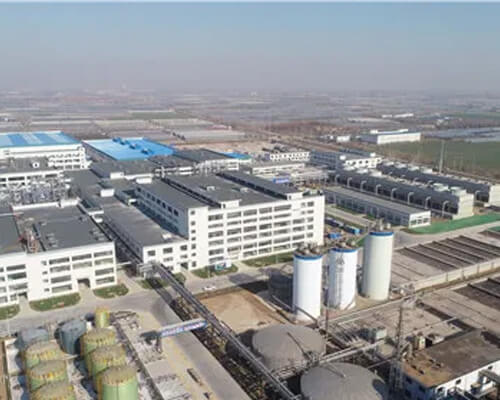
The official registered address of Shandong Tianli Pharmaceutical Co., Ltd. (formerly known as Shandong Tianli Pharmaceutical Co., Ltd.) has been verified by authoritative platforms such as the National Enterprise Credit Information Publicity System and Qixinbao, confirming its location as the south side of Anshun Street and the west side of Xingyuan West Road, within the jurisdiction of Gucheng Subdistrict Office, Shouguang City, Weifang City, Shandong Province. The company's production facilities are located in two locations: the main plant is situated within Gucheng Subdistrict Office, and the other is located in the Chenming Industrial Park project cluster area, south of Weigao Road and east of the West Second Ring Road in Shouguang City, meeting NSF/ANSI 173 certification requirements.This strategic location provides multiple advantages for the company's development. Shouguang City, as a renowned chemical industry base in China, boasts well-developed infrastructure and a complete industrial chain. Its proximity to major transportation arteries such as the Jiqing Expressway and Rongwu Expressway facilitates raw material procurement and product transportation. The Gucheng Subdistrict Office area is home to numerous chemical companies, forming an industrial cluster effect and promoting technological exchange and cooperation. Chenming Industrial Park is a key high-tech industrial park developed by Shouguang City, providing the company with broader development opportunities.Founded in 1994, the company is a core enterprise of Shandong Lianmeng Chemical Group Co., Ltd., and the first corn deep-processing enterprise in China with a complete industrial chain from corn starch to sorbitol/mannitol and then to vitamin C. As a Sino-foreign joint venture (registered capital of US$28.1021 million), Shandong Tianli Pharmaceutical leverages its advantageous geographical location to achieve efficient access to the international market. Its products are exported to more than 50 countries and regions worldwide, including Colombia and Sri Lanka, with annual exports exceeding RMB 300 million.The accuracy of the company address is crucial for international trade. We recommend that clients use the complete English address in foreign trade documents such as bills of lading and customs declarations: South of Anshun Street, West of Xingyuan West Road, Gucheng Sub-district Office, Shouguang City, Weifang City, Shandong Province, China, to ensure smooth international logistics.

Shandong Tianli Pharmaceutical Co., Ltd. Email - A Green Channel for Efficient Business Communication

The establishment of the official email address for Shandong Tianli Pharmaceutical Co., Ltd. is a significant step in building a global customer service network. Shandong Tianli Pharmaceutical Co., Ltd. recently updated its official contact information simultaneously on its company website and business registration system. Sales9@boxa-chem.com is the dedicated email address for its distributor, Boxa Chemical, suitable for formal communication scenarios such as business inquiries, cooperation negotiations, and after-sales service, facilitating direct business communication with international clients.As a core subsidiary of Shandong Union Chemical Group, Shandong Tianli Pharmaceutical highly values ​​customer communication efficiency. The official email system employs enterprise-level security protection to ensure the secure transmission of commercial information. To address different business needs, the company has established a tiered email service system: the headquarters email is responsible for strategic cooperation and major project negotiations; the foreign trade department email focuses on international order processing; the technical support email provides product application solutions; and the after-sales service email handles customer feedback and complaints.This refined email management system reflects the company's "customer-centric" business philosophy. Since its establishment in 1994, Shandong Tianli Pharmaceutical has developed into a leading global supplier of biochemical products, primarily sorbitol, mannitol, glucose, and vitamin C, with an annual production capacity of 6.89 million tons. This includes a daily mannitol production capacity of 65 tons and a daily sorbitol production capacity exceeding 1800 tons. Through its official email system, customers can quickly obtain key information such as product quotations, technical parameters, and quality certifications, facilitating global business expansion. CONTACT INFORMATIONWebsite:https://www.shandong-tianli.com/Phone:+8615651039172Email:sales9@boxa-chem.com

Shandong Tianli Pharmaceutical Co., Ltd. Mannitol, an industry benchmark for pharmaceutical-grade mannitol.

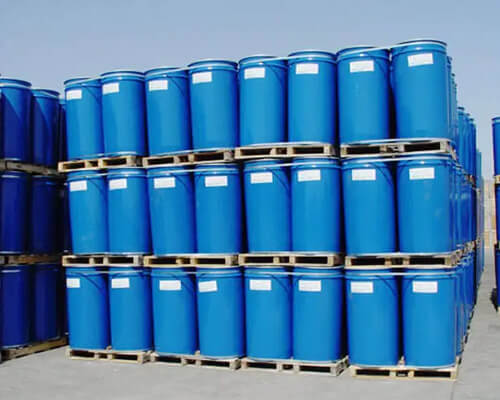
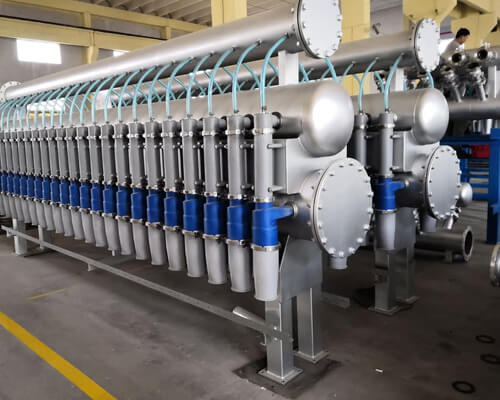
Shandong Tianli Pharmaceutical Co., Ltd.'s Mannitol Products Gain International Recognition: Annual Production Capacity of 20,000 Tons, Leading the Global Biochemical MarketShandong Tianli Pharmaceutical Co., Ltd., a leading enterprise in China's mannitol industry, has become a preferred supplier for the global pharmaceutical, food, and cosmetic industries due to the superior quality and stable supply of its pharmaceutical-grade mannitol products. The company has an annual mannitol production capacity of 20,000 tons, with a daily capacity of 65 tons, accounting for more than 15% of China's total mannitol production capacity. Its products have passed multiple international certifications, including FDA, EU GMP, and NSF, and are exported to more than 50 countries and regions worldwide.Shandong Tianli Pharmaceutical's mannitol products have three core advantages. First, a complete industrial chain advantage: the company possesses a complete production system from corn starch to sorbitol to mannitol, making it the first corn deep-processing enterprise in China to achieve this complete industrial chain, ensuring product quality traceability and leading cost control capabilities in the industry. Secondly, technological innovation advantages: The company employs advanced hydrogenation catalytic technology, achieving a mannitol purity of over 99.7%, meeting international pharmacopoeia standards such as USP, EP, and BP, with impurity content far below the industry average. Finally, production scale advantages: The company owns four mannitol production lines, two of which are newly built intelligent production lines in 2024, achieving automated control and real-time quality monitoring of the production process.In application areas, Shandong Tianli Pharmaceutical's mannitol products are widely used in the pharmaceutical, food, and cosmetic industries. In the pharmaceutical field, as an injectable osmotic pressure regulator, diuretic, and lyophilization protectant, product quality directly affects drug safety and efficacy. In the food field, as a sugar-free sweetener (E421), it is used in chewing gum, chocolate, and baked goods. In the cosmetics field, as a moisturizer and viscosity modifier, it is used in face creams, shampoos, and other products.The company has always adhered to the principle of "quality first, customer foremost" and has established a sound quality management system. It has passed ISO9001, ISO22000 and other certifications to ensure that every batch of products meets international standards.